
Samer Choucair: Thailand’s Security Reforms Could Strengthen Its Appeal to Foreign Investors
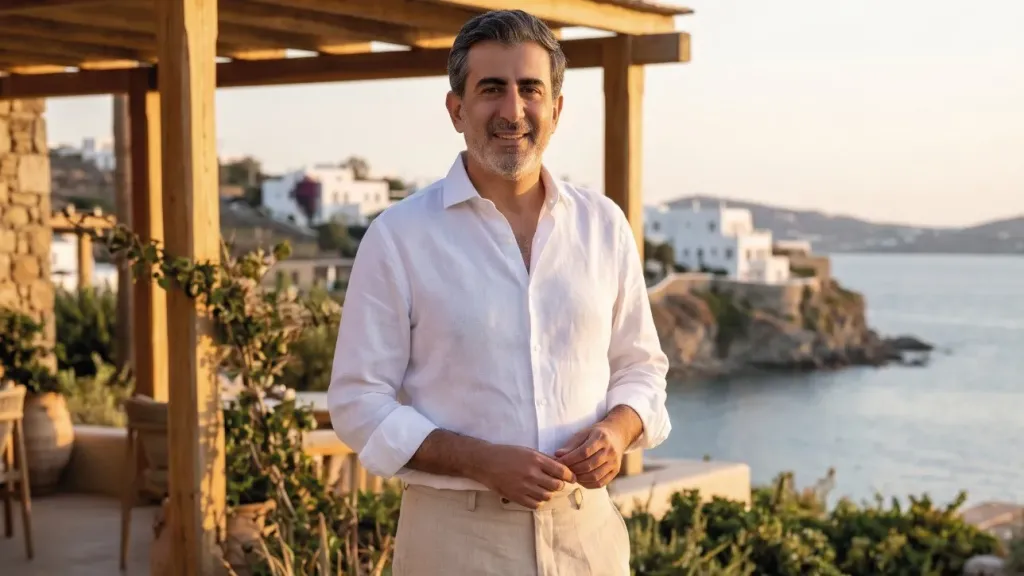
Investment leader Samer Choucair said the Thai government’s decision under Prime Minister Anutin Charnvirakul to suspend the issuance of new firearms purchase permits and review existing licenses, while accelerating preparations for stricter legislation, goes beyond being a response to a shooting at a high school north of Bangkok. He views it as an important signal for institutional investors regarding stability and governance in emerging Asian markets.
Choucair explained that stronger public security could support confidence in an economy whose appeal depends heavily on tourism and foreign investment, particularly in technology, data centers, and artificial intelligence. Improved security governance could reduce the risk premium, he said, while delays in reform could put pressure on capital inflows.
Thailand’s Economy Faces a Governance Test
Samer Choucair noted that Thailand’s economy is expected to grow by between 2% and 2.5% in 2026, supported by technology exports and digital investment. Foreign direct investment applications also reached high levels during the first half of the year, while tourism remained a vital source of income despite seasonal and geopolitical volatility.
Choucair said the school shooting has brought the issue of widespread civilian gun ownership back into focus, with estimates indicating that civilians possess more than 10 million firearms. He added that ending discounted “welfare weapons” programs for officials and suspending the renewal of certain licenses represent attempts to close longstanding regulatory gaps and test the government’s ability to turn political pressure into institutional reform.
Investors and Capital Allocation
Samer Choucair said institutional investors and sovereign wealth funds are placing greater weight on social-stability indicators when assessing sovereign risk.
He explained that tighter firearms controls could have a positive impact on tourism, consumer spending, and stocks on Thailand’s SET exchange, which has experienced positive foreign flows in recent months.
Hotels, travel, and retail are likely to be among the sectors most sensitive to perceptions of public safety, Choucair said, while security companies, education technology, and mental-health services could benefit from increased spending on prevention.
In fixed income, he added that improved political stability could support greater stability in sovereign bond yields, particularly in a relatively accommodative interest-rate environment.
Choucair cautioned, however, that partial reforms that fail to address unlicensed firearms could have limited impact. Institutional investors, he said, favor economies capable of turning crises into regulatory reforms that reduce volatility in capital flows.
A Lesson for Gulf Investors
Samer Choucair said Thailand’s experience offers relevant lessons for Gulf investors expanding their portfolios across Southeast Asia as part of broader diversification strategies beyond oil.
He noted that funds such as Saudi Arabia’s Public Investment Fund, within the framework of Vision 2030, are increasingly focused on secure and stable environments for tourism, new cities, and the digital economy.
This makes Asian experiences in governance and public safety useful benchmarks, Choucair said. Incorporating security-governance indicators into capital-allocation models could help investment funds achieve better risk-adjusted returns.
Opportunities and Risks
Samer Choucair said successful measures to reduce violence could strengthen Thailand’s tourism and investment appeal while creating opportunities for digital licensing systems, firearms tracking, and government technology investments.
He warned, however, that if the measures remain largely symbolic or enforcement proves weak, Thailand’s risk premium could remain elevated. Reliance on short-term fiscal incentives could also limit the economy’s ability to achieve potential growth of around 3%.
Choucair concluded that continued legislative and regulatory tightening could support the stability of foreign direct investment, particularly in higher-value sectors, while slower reform could place additional pressure on investor confidence.
Social stability has become an increasingly important factor in the pricing of emerging-market assets, he said, and economies capable of protecting both their citizens and visitors will be better positioned to attract long-term capital.