
Saudi Arabia Is Racing to Own the $15 Trillion AI Services Economy:
Samer Choucair Reveals the Four Strategic Pathways Gulf Investors Cannot Afford to Miss
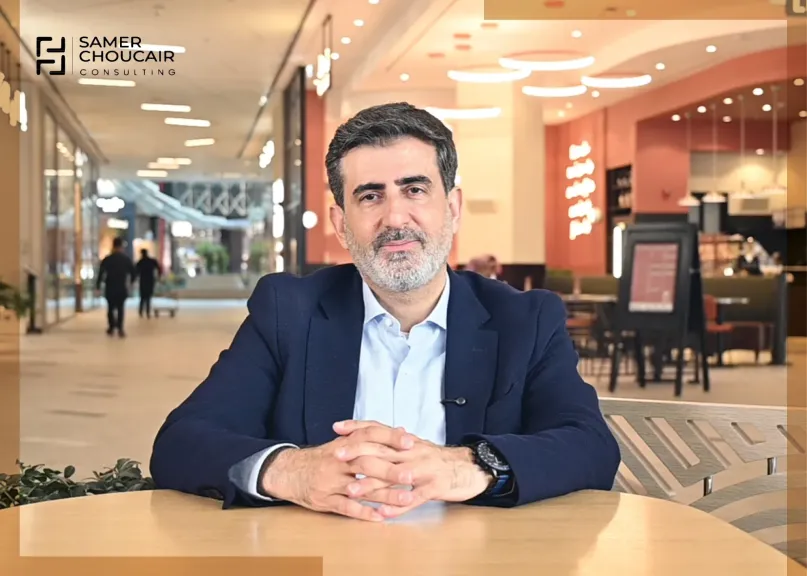
Investment entrepreneur Choucair affirmed that Saudi Arabia succeeded in securing a pioneering position within the global map of the AI services economy, noting 2026 represents the most important milestone in converting emerging technologies from auxiliary tools to foundational pillars in the national economy's operational model.
Choucair's statements came in response to global discussions around the identity of winners in the new technical services economy estimated at approximately $15 trillion.
A Radical Transformation in the Services Economy
Choucair explained major global companies' budgets witnessed a historic transformation, where approximately 70% are being directed toward AI applications, noting global warnings of intensifying competition require boldness in restructuring traditional models.
He stated: "AI is no longer an additional option but has become the foundation of the new economy. Clinging to traditional models is no longer a safe bet. The future belongs to those who possess the boldness to change their operational model today to dominate tomorrow's markets."
Saudi Arabia 2026, The Year of Artificial Intelligence
Choucair highlighted Saudi Arabia's distinction in this sector, coinciding with declaring 2026 "the Year of Artificial Intelligence" within Vision 2030 targets.
He projected this sector contributing $135 billion to GDP by 2030, representing approximately 12% of total GDP, with a compound annual growth rate reaching 43.1%.
He added: "The Kingdom presents a unique model differing from global debt-dependent models, relying on a long-term strategic vision supported by sovereign capabilities and targeted computing capacity reaching 6 gigawatts by 2030, making it a global data and innovation hub in partnership with technology giants such as NVIDIA."
The Strategic Opportunity Map in the Gulf
Choucair mapped the features of successful investment in this sector, identifying four primary pathways for investors in Saudi Arabia and the Gulf: sovereign infrastructure and computing, which he described as "the new oil" of the digital economy, benefiting from competitive renewable energy costs and the Kingdom's geographic location; specialized startup support focusing on local applications in smart energy, healthcare, and tourism sectors; human capital development through investing in human-machine collaboration models to raise productivity rates; and predictive AI and asset tokenization, trends serving major projects such as NEOM, Qiddiya, and the Red Sea.
Success Strategy for Investors and Entrepreneurs
Choucair emphasized the necessity of transitioning from experimentation to implementation linked to clear financial performance indicators, affirming companies integrating AI at the core of their strategy are the only ones that will achieve genuine returns.
He called on entrepreneurs to develop AI solutions customized for the local market, such as small multimodal language models in Arabic serving vital sectors.
He concluded by stating: "Saudi Arabia, with Vision 2030's support and the PIF's strength, possesses all the elements to be the biggest winner in this global economic transformation. Today is the time for bold and deliberate decisions. Those who absorb this historic moment will control the tools of the future."