
Samer Choucair: Discoveries That Provide Specific Molecular Targets Accelerate Capital Flows
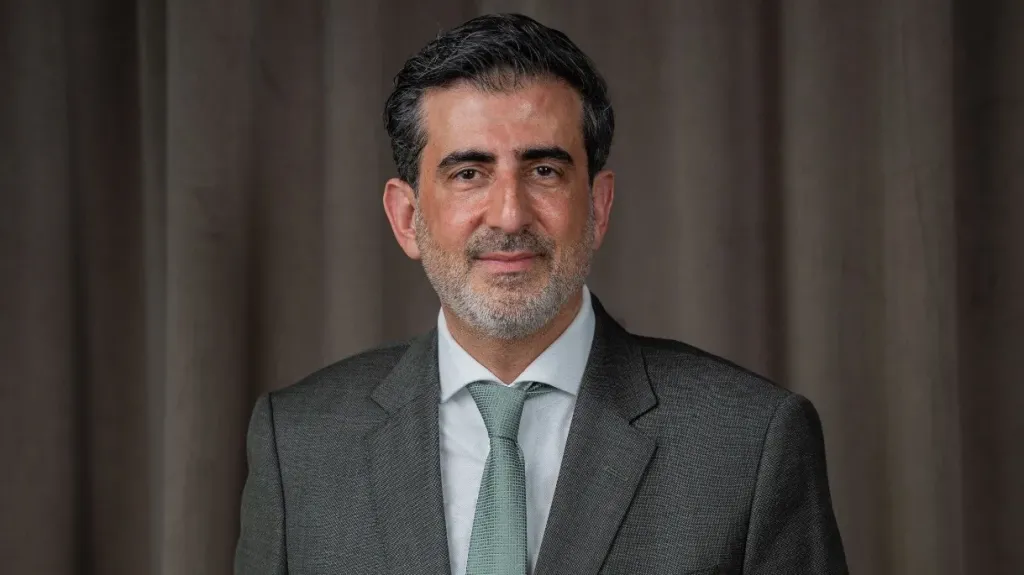
Investment entrepreneur Samer Choucair stated that the new scientific discovery regarding the mechanism by which the BFT toxin, produced by enterotoxigenic Bacteroides fragilis bacterial strains, binds to the claudin-4 protein on the surface of colon cells represents an important development for the future of colorectal cancer treatments, noting that discoveries of this kind provide clear biological targets capable of reshaping investment direction within the biotechnology and precision oncology sector.
Choucair explained that the study, which identified the precise mechanism the bacterial toxin uses to bind to claudin-4, along with the resulting damage to the epithelial barrier and chronic inflammation linked to tumor growth, opens a new path toward developing drugs based on the concept of molecular decoys or targeted inhibitors, which could support the emergence of more precise treatment solutions in the coming years.
Samer Choucair noted that the significance of this development is not limited to the scientific side, but extends to its potential effects on institutional investors' capital allocation decisions, particularly as the colorectal cancer treatment market reaches approximately 14 billion dollars in 2026, with expectations of a compound annual growth rate of nearly 5 percent through 2034.
Choucair affirmed that the clarity of this new biological target, claudin-4, could reduce the uncertainty biotechnology companies face during early stage drug development, an important factor in attracting investment toward precision medicine platforms that combine microbiome understanding with targeted therapies.
Samer Choucair explained that identifying claudin-4 as a key receptor for a common bacterial toxin represents a fundamental shift in understanding the causes of colorectal cancer, one of the most impactful cancer types worldwide in both health and economic terms, noting that the investment value of this discovery lies in its ability to accelerate capital flows toward a new class of treatments targeting the relationship between the microbiome, inflammation and tumor development.
He added that this development could lead to new business models emerging among biotechnology companies, an increase in licensing or acquisition deals by major pharmaceutical companies, and a possible gradual shift in the healthcare cost curve if preventive or adjunctive interventions prove broadly effective.
Samer Choucair explained that scientists have known for more than 15 years about a link between the BFT toxin and increased colorectal cancer risk, though the precise mechanism the toxin uses to reach cells remained unclear, noting that the new study showed the toxin first binds to claudin-4 before cleaving the E-cadherin protein, disrupting the colon's protective barrier and triggering chronic inflammation.
Choucair noted that the success of a decoy molecule mimicking claudin-4 in intercepting the toxin and preventing damage within animal models represents an important signal of the potential to develop new treatment strategies, though additional research and clinical trial stages are still needed before reaching approved therapeutic applications.
Samer Choucair said that discoveries providing specific molecular targets like claudin-4 often accelerate the flow of investment capital toward biotechnology startups, particularly those combining diagnostics with targeted therapy.
Choucair affirmed that sovereign wealth funds, pension funds and health focused hedge funds will track this development as a sign of the maturing microbiome and oncology field, explaining that this sector could become attractive for long term investment as scientific understanding of the effect of gut bacteria on chronic disease expands.
He noted that major pharmaceutical companies may increase their research and development investment or pursue acquisitions of promising assets in this field, explaining that the timeline for developing these treatments remains long, as preclinical studies need to advance before moving to first in human trials, though early signals such as industry partnerships or funding rounds can become influential factors in valuing small and mid sized companies working in the field.
Samer Choucair explained that potential investment opportunities include companies specialized in targeted biological therapies, platforms developing microbiome based treatments, and diagnostics companies capable of developing tests to detect harmful bacterial strains or claudin-4 expression levels.
He added that companies relying mainly on traditional chemotherapy treatments could face gradual pressure if preventive and adjunctive strategies based on microbiome understanding prove effective over the long term, stressing that the shift toward precision medicine will reshape how opportunities are evaluated within the healthcare sector.
Samer Choucair said that although the transition to clinical treatments may take years, the structural trend toward precision medicine built on microbiome understanding will continue attracting institutional investor interest over the coming decade.
Choucair added that healthcare focused investment portfolios need to strike a balance between exposure to advanced therapies and investments tied to prevention models that could help reduce overall healthcare system costs in the future.
Regarding the outlook, Samer Choucair explained that investors should watch over the next twelve months for any announcements of follow up research or industry partnerships tied to the work at Johns Hopkins University, noting that the next three to five years will be a critical phase as initial clinical data emerges to determine the commercial viability of these technologies.
He added that the ten year horizon could see microbiome science more broadly integrated into standard oncology care, reshaping capital allocation within healthcare equities and alternative investments.
Samer Choucair concluded his remarks by affirming the importance of institutional investors adopting a long term perspective when dealing with this type of innovation, saying that balanced exposure should combine opportunities in therapeutic innovation with investments in health infrastructure, while preparing for volatility resulting from the long timelines of drug development, an approach that ensures capturing structural trends without excessive exposure to early stage execution risk.