
From Waste to Wear: How Innovative Eco-Fabrics Are Transforming the Future of Fashion
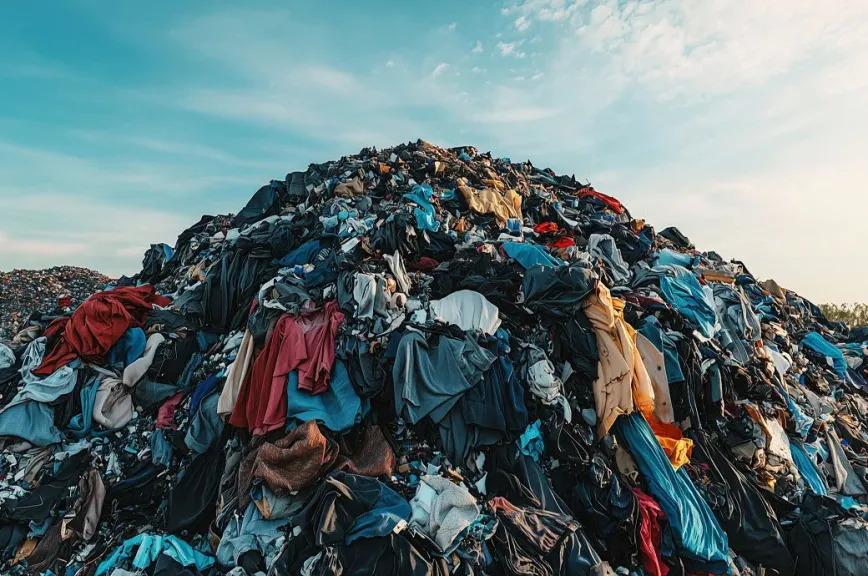
The fashion industry has become one of the world's largest sources of waste. Every year, millions of tons of textiles are discarded, while enormous quantities of plastic continue to pollute oceans, rivers, and landfills. As consumer demand for fast fashion grows, so does the environmental footprint of clothing production. However, a new generation of innovative eco-fabrics is offering hope by transforming discarded textiles and plastic waste into high-performance, sustainable materials.
The Growing Fabric Waste Crisis
Globally, an estimated 92 million tonnes of textile waste are generated each year. Much of this waste comes from overproduction, unsold inventory, manufacturing scraps, and clothing that is thrown away after only a few uses. Many garments end up in landfills, where synthetic fibers can take hundreds of years to decompose, releasing harmful chemicals and microplastics into the environment.
At the same time, the fashion industry consumes vast amounts of natural resources. Cotton cultivation requires significant quantities of water and pesticides, while the production of synthetic fibers such as polyester relies heavily on fossil fuels. Together, these practices contribute substantially to greenhouse gas emissions and environmental degradation.
Plastic Pollution Meets Fashion Innovation
Plastic pollution has become another global challenge, with millions of tonnes entering the oceans every year. Instead of allowing these materials to become long-term pollutants, innovators have found ways to recycle plastic bottles, discarded fishing nets, and ocean-bound plastic into durable textile fibers.
Recycled polyester (rPET) is now one of the most widely adopted sustainable fabrics. By melting down used plastic bottles and spinning them into new fibers, manufacturers reduce the demand for virgin petroleum while diverting plastic waste from landfills and waterways. Many sportswear, footwear, and outdoor apparel brands now incorporate recycled polyester into their collections without sacrificing comfort or performance.
Giving Old Clothes a New Life
Textile-to-textile recycling is another rapidly advancing solution. Instead of producing entirely new fibers, companies are recovering cotton, wool, and polyester from discarded garments and transforming them into fresh yarns.
Mechanical recycling shreds old textiles into reusable fibers, while newer chemical recycling technologies break fabrics down to their molecular components. These regenerated materials can often achieve quality comparable to virgin fibers, allowing clothing to be recycled multiple times with less dependence on raw resources.
Some manufacturers are also developing closed-loop systems, where worn-out garments are collected, recycled, and remade into new clothing, creating a circular economy that keeps materials in use for longer.
Innovative Eco-Fabrics Leading the Way
Beyond recycled materials, researchers and entrepreneurs are developing entirely new fabrics from unexpected sources.
Piñatex is made from pineapple leaf fibers, an agricultural by-product that would otherwise be discarded. It provides a durable, leather-like material suitable for shoes, bags, and accessories while creating additional income opportunities for farming communities.
Orange Fiber transforms citrus juice by-products into luxurious, silk-like textiles, giving waste from the food industry a second life.
Mycelium leather, grown from the root structure of mushrooms, offers an animal-free alternative to traditional leather. It requires fewer resources to produce and can be manufactured with a significantly lower environmental footprint.
SeaCell combines sustainably harvested seaweed with cellulose fibers to create soft, breathable textiles, while Econyl regenerates discarded fishing nets, industrial plastic, and fabric scraps into high-quality nylon suitable for swimwear, sportswear, and luxury fashion.
Researchers are also exploring fabrics made from algae, banana stems, hemp, agricultural waste, coffee grounds, and even captured carbon emissions, demonstrating that tomorrow's textiles may come from materials once considered worthless.
Challenges That Remain
Despite remarkable progress, sustainable textiles still face several obstacles. Recycling blended fabrics remains technically difficult because separating different fiber types can be expensive and energy-intensive. Eco-friendly materials also tend to cost more than conventional textiles, making widespread adoption slower for some manufacturers.
In addition, recycling alone cannot solve fashion's environmental problems if clothing continues to be produced and discarded at current rates. Extending garment lifespans, improving repair services, designing for recyclability, and encouraging responsible consumer behavior are all essential parts of a truly circular fashion system.
A More Sustainable Future
The future of fashion depends not only on what clothes are made from but also on how they are designed, used, and recycled. Innovative eco-fabrics made from discarded textiles, recycled plastics, agricultural waste, and natural alternatives demonstrate that waste can become a valuable resource rather than an environmental burden.
As technology advances and sustainable materials become more accessible, the industry has an opportunity to shift from a linear model of "take, make, and dispose" to a circular system where materials remain in use for as long as possible. Every recycled fiber, regenerated fabric, and innovative bio-based textile brings the fashion world one step closer to reducing waste whil
e protecting the planet for future generations.