
Samer Choucair: Saudi Arabia Redraws the Legal Services Map The Battle Over ”Ownership of Value”
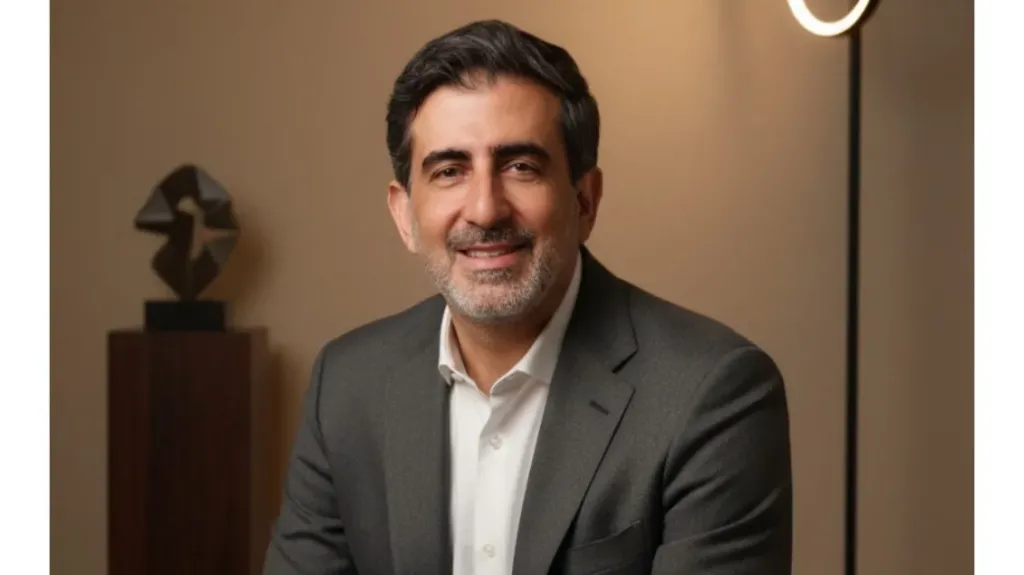
Samer Choucair said the legal services market in Saudi Arabia is undergoing a transformation that goes beyond the growth in the number of law firms and consultancies, becoming part of a broader equation tied to the economy's ability to retain knowledge, relationships, decision-making, and returns within the Kingdom.
Choucair explained that the Saudi economy grew by 4.5% during 2025, while non-oil activities rose by 4.9%, reflecting a broadening base of economic activity and an increasing need for contracts, financing, governance, and dispute resolution.
He added that market estimates put the revenue of Saudi Arabia's legal services market at around $5.9 billion in 2024, with expectations of reaching $8.4 billion by 2030, at a compound annual growth rate of about 6% — indicating that the market is no longer a marginal sector but has become part of the new economy's infrastructure.
Choucair said: "An investor isn't just buying the presence of a law firm in Riyadh — they're buying the ability to reduce contract risk, accelerate execution, and improve the predictability of dispute outcomes. That's why legal spending is gradually shifting from an operating cost to a component of capital allocation decisions."
He noted that allowing foreign firms to operate in the Kingdom since the regulatory reforms took effect in 2023 opened the market to major international names, but this coincided with requirements aimed at strengthening local presence, including establishing partners within the Kingdom, Saudizing a significant share of personnel, and limiting the transfer of work related to Saudi law outside the Kingdom.
Choucair pointed out that the growth of commercial arbitration reinforces the same trend, noting that the Saudi Center for Commercial Arbitration recorded 182 new cases during 2025, up 63% from the previous year, with claims exceeding SAR 4 billion in value.
Choucair emphasized that the real challenge isn't hosting global firms, but ensuring that higher value transfers to the local economy, saying: "Hosting isn't ownership. The greater value lies with whoever owns the client relationship, determines the deal structure, and holds the knowledge and the decision."
Choucair believes the coming years will see greater competition between Saudi and international firms over financing deals, major projects, mergers, and capital markets, alongside the expanding use of artificial intelligence in repetitive legal work.
Samer Choucair concluded that the long-term investor should watch three indicators: the volume of work carried out within the Kingdom, the stability of resident talent and partners, and Riyadh's ability to shift from merely a venue for executing deals to a hub for legal and investment decision-making.