
Samer Choucair: The End of the Iran U.S. Deadline Reprices Oil and Unsettles Investor Calculations
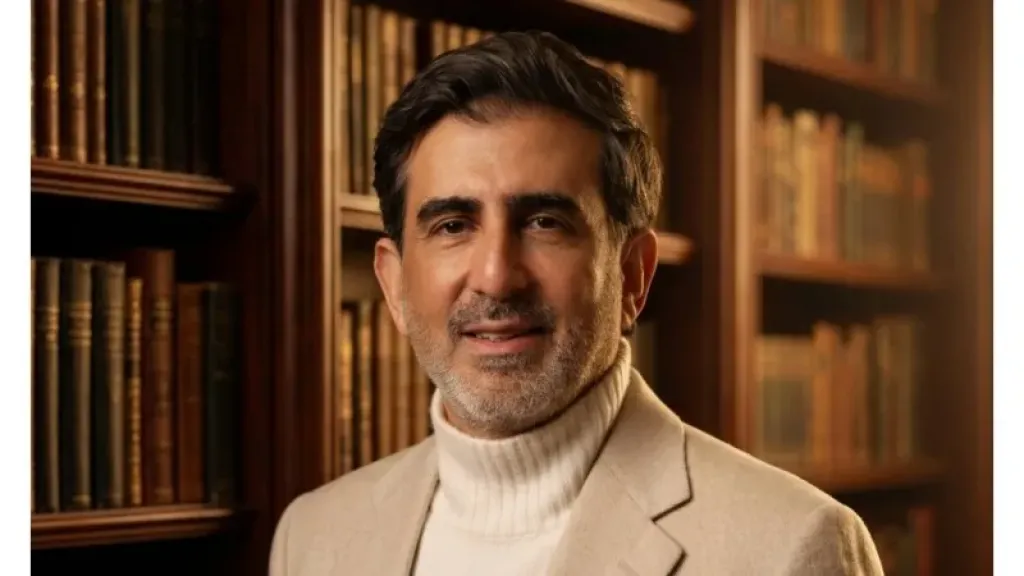
Investment expert Samer Choucair believes the expiration of the sixty day window set out in the U.S. Iran memorandum of understanding signed on June 17, without a final agreement being reached, marks a turning point in how geopolitical risk and energy markets are being priced during the second half of 2026. The memorandum had opened a negotiating track toward a broader agreement and included arrangements to restore shipping through the Strait of Hormuz, before Washington announced on July 7 that the agreement had lapsed, while disputes continued over the nuclear program, sanctions, and navigation.
Choucair said markets are no longer treating the Hormuz crisis as a short term shock, especially with shipping traffic remaining depressed. Recent data showed a sharp drop in the number of vessels transiting the strait, which historically carries about a fifth of global oil and LNG trade. On August 21, Brent crude closed at around $94.39 a barrel, posting a weekly gain of 6.6%, reflecting the persistence of a risk premium tied to supply, shipping, and insurance.
Choucair adds that the impact doesn't stop at oil prices, it extends to inflation, financing costs, and asset valuations. The U.S. interest rate range remains at 3.50% to 3.75%, meaning any new wave in energy prices could add pressure on central banks and push investors toward short term assets and assets capable of protecting cash flows.
Choucair believes the Gulf holds important elements of resilience, particularly Saudi Arabia, which has alternative export routes that reduce its reliance on Hormuz, but the continued disruption reinforces the need to accelerate investment in manufacturing, logistics, energy, infrastructure, and supply chains. He emphasizes that higher oil prices give public finances temporary support, but don't diminish the importance of economic diversification.
Choucair notes that gold also serves as a hedge in this environment, after its futures contracts surpassed $4,600 an ounce during the week ending August 21, amid rising appetite for hard assets against a backdrop of energy, debt, and market turmoil.
Samer Choucair concludes that an institutional investor shouldn't base decisions on predicting the timing of a political settlement, but on the ability to operate in an environment marked by more volatile energy, higher shipping and insurance costs, and relatively elevated U.S. interest rates, saying: "This new phase doesn't reward capital that waits for the old situation to return, it rewards capital invested in assets able to function despite a changed risk map."