
When Nostalgia Becomes an Asset, Samer Choucair Maps the Investment Case for Fashion Memory
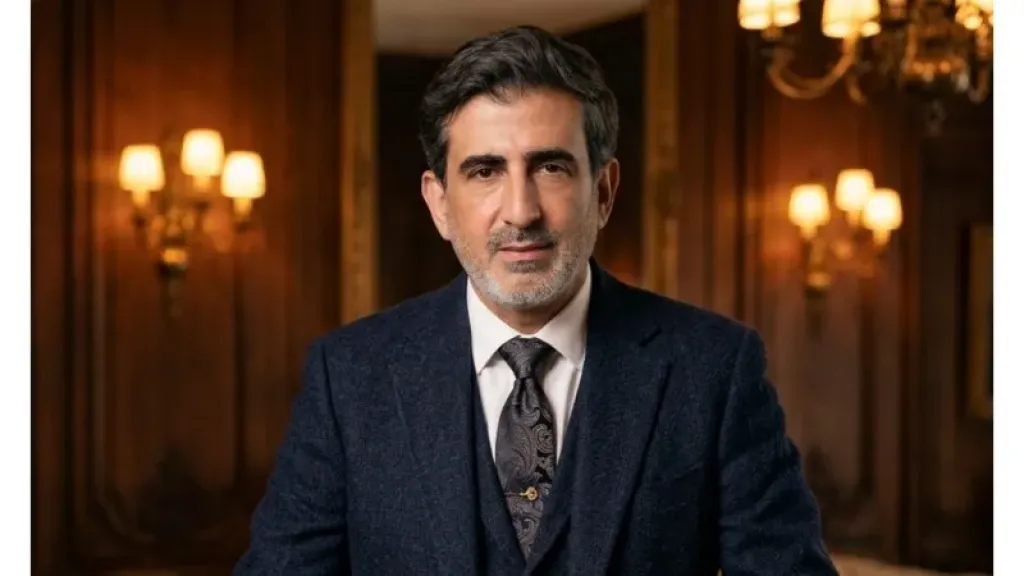
Investment leader Samer Choucair said iconic American brands such as Gap, Ralph Lauren, and Coach have returned to the forefront of Gen Z attention not simply because of new fashion trends, but because of their ability to sell a sense of continuity and identity that emerging brands often struggle to replicate.
Samer Choucair explained that Gap’s roughly 9% sales growth and approximately 10% increase in comparable store sales, together with Ralph Lauren’s record annual revenue of $8.1 billion and Coach’s renewed appeal among younger consumers, point to a broader repricing of intangible assets such as symbolism, archives, and cultural trust.
When the Past Becomes an Investment Asset
Samer Choucair noted that 65% of respondents in a YouGov survey described 1990s fashion as stylish, despite the fact that Gen Z did not experience that decade directly.
He said the phenomenon represents a form of symbolic nostalgia that is being reconstructed through media archives, social platforms, and the secondhand fashion market.
Choucair added that Gen Z is not simply buying clothing. It is effectively buying access to a shared cultural memory.
He said marketing archives increasingly resemble intellectual property. Managed with discipline, they can reduce customer acquisition costs. Overused and repeatedly recycled, however, they can become a liability as scarcity and cultural meaning begin to erode.
Three Brands, Three Repositioning Stories
Samer Choucair said Gap’s recovery has not been evenly distributed across the group. The core Gap brand recorded comparable sales growth of around 10%, supported by denim and fleece, while Old Navy remains larger in scale and more sensitive to disposable income and pricing conditions.
He said the expansion into accessories and the relaunch of fragrances are designed to raise average basket size and translate brand symbolism into higher margin categories.
Ralph Lauren, by contrast, represents a different model built around a form of American luxury that can be passed across generations. The company reported record annual revenue of $8.1 billion.
Choucair said greater discipline in distribution and reduced dependence on discount channels helped restore the brand’s pricing power.
Coach, owned by Tapestry, followed another path. It repositioned itself from an accessible luxury brand that had lost some of its cultural appeal into a label that has regained relevance among Gen Z consumers in both the primary and secondary markets, with products ranging from a few hundred dollars to around $700.
The Market Reprices Symbolic Power
Samer Choucair said institutional investors make a mistake when they place all three brands in the same investment category.
Gap represents the repricing of symbolically powerful consumer basics. Ralph Lauren is a long duration lifestyle asset. Coach operates as a bridge between accessible luxury and the resale economy.
He added that valuation tools, from sales multiples and operating margins to new customer retention rates, should differ according to the nature of the underlying asset.
Samer Choucair said equity markets reward turnaround stories when cultural relevance translates into actual sales rather than remaining limited to digital attention.
Resale Expands the Value of Brand Archives
Samer Choucair said the secondhand apparel market adds another layer to the investment case. In the United States, it is growing several times faster than the traditional apparel market, while Gen Z and millennials are expected to account for around 70% of the market’s growth through 2030.
He said this increases the value of brands with archives that remain desirable in secondary markets and creates opportunities for private equity investors across resale platforms, reverse logistics, and curated archive businesses.
The Gulf Should Build Identity Rather Than Import Nostalgia
Samer Choucair said Gulf investors do not need to replicate American fashion trends.
Saudi Arabia, under Vision 2030, is building a tourism and commercial proposition around place, history, and identity, from Riyadh to the Red Sea.
He said the challenge is identifying local and regional assets with archives that can be priced globally without turning heritage into a copy of imported nostalgia.
Choucair added that brand governance, discount discipline, protection of symbolic value, and sustained investment in design will determine the difference between a genuine growth story and an accumulation of unsold inventory.
Investment Outlook
Samer Choucair warned that nostalgia can peak before the product cycle does. Tariffs and shipping costs may also put pressure on margins, while excessive seasonal collaborations can turn heritage into rapidly consumed content.
At the same time, expansion into accessories, fragrances, and home categories can create opportunities to transform symbolic value into a broader revenue ecosystem.
Samer Choucair concluded that the most important signal for institutional investors in 2026 is not the return of an American logo to cultural relevance, but the transformation of history itself into a priceable asset.
He said the most disciplined capital will move toward heritage brands, resale platforms, and authentic regional labels because structural returns will come from converting memory into economic value rather than chasing the trend itself.