
Samer Choucair: Messi Is No Longer Just Playing The Former Barcelona Star Is Building a Network of Clubs, Real Estate and Technology Investments
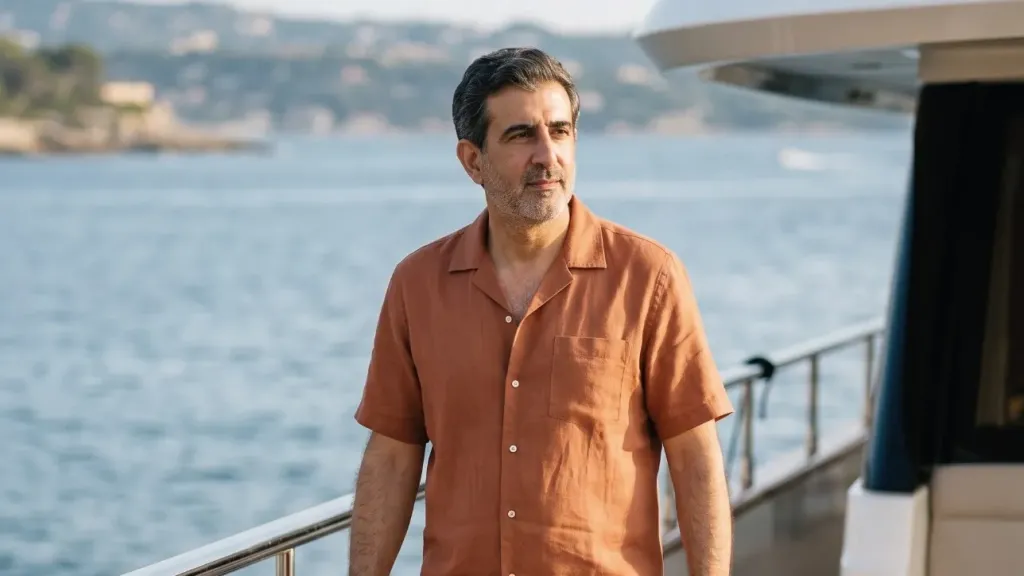
Investment leader Samer Choucair believes Lionel Messi’s transition from global football superstar to an investor with interests spanning football clubs, real estate, hospitality and technology reflects a broader transformation in the economics of sport. Global fame is no longer simply monetized through salaries and sponsorships; increasingly, it can be converted into ownership of assets capable of generating cash flow and appreciating over time.
Forbes currently estimates Messi’s net worth at approximately $1.1 billion, placing him among the small group of active athletes who have reached billionaire status. His financial position reflects decades of football earnings and endorsements, but increasingly also points toward an ownership-driven phase of wealth creation.
For Samer Choucair, the distinction is important. The traditional economics of celebrity centered on monetizing attention. The emerging model is about using that attention to acquire equity.
Inter Miami provides perhaps the clearest illustration. Forbes values the Major League Soccer club at approximately $1.35 billion, making it the league’s most valuable franchise in its 2026 ranking. Revenue has risen from approximately $56 million in 2022, before Messi arrived, to an estimated $200 million last season, meaning the club’s revenue has nearly quadrupled in three years. Messi’s agreement with Inter Miami also includes an option to acquire an equity stake after his playing career.
That changes the financial equation. Instead of receiving only compensation for creating commercial value, Messi potentially gains ownership exposure to the value his presence helps create.
From Footballer to Club Owner
Choucair said Messi’s expansion into football-club ownership makes the strategy even clearer.
In April 2026, Messi acquired approximately 85.5% of UE Cornellà, the Spanish club known particularly for its youth-development system.
Then came a substantially larger move.
In September, Messi reached an agreement in principle to acquire the shares held by TH Soluciones Group in Spanish second-division side CD Eldense, a transaction that would make him the club’s majority owner. Reuters reported that he is close to acquiring 100% of the shares currently held by the Colombian investment group, although the transaction remains subject to final legal procedures, due diligence and regulatory approval from Spain’s High Council for Sports.
Messi is also a co-owner, alongside Luis Suárez, of Deportivo LSM in Uruguay, further extending his football interests beyond a single club or national market.
According to Samer Choucair, this is where Messi’s investment strategy becomes more interesting than a conventional celebrity portfolio.
Football clubs can provide exposure not only to matchday revenues, but potentially to sponsorship, media rights, merchandising, player development, academy economics, real estate and the long-term appreciation of the franchise itself.
A global athlete who can simultaneously influence audience growth, commercial partnerships and brand recognition enters that ownership equation with an advantage unavailable to an ordinary financial investor.
Real Estate and Hospitality
Messi’s portfolio extends well beyond football.
Through his listed real-estate investment company, Edificio Rostower, Messi has assembled exposure to residential, commercial and hospitality assets. The company began trading with an initial valuation of approximately €223.2 million.
In 2026, Edificio Rostower acquired Barcelona’s former Via Wagner shopping galleries for approximately €11.5 million. The roughly 4,000-square-meter property is expected to be redeveloped for the rental market, adding another significant Barcelona asset to Messi’s property portfolio.
His hospitality exposure includes the MiM Hotels portfolio, with properties in destinations including Sitges, Ibiza, Mallorca, Baqueira, Sotogrande and Andorra, operated by Meliá Hotels International.
The strategy therefore increasingly resembles a diversified family investment platform rather than the conventional portfolio of an athlete approaching the later stages of his playing career.
Messi has also established investment operations in the United States, with Play Time providing exposure to startups and emerging businesses, further extending his portfolio toward technology and other growth sectors.
Turning Fame Into Equity
For Choucair, however, the most important investment lesson is not simply that a global superstar is buying assets.
The real question is whether celebrity influence can be systematically transformed into cash flow, equity ownership and assets capable of being revalued upward.
Inter Miami offers a compelling case study.
Messi’s arrival helped transform the commercial scale of the franchise through ticket demand, sponsorship opportunities, merchandise, international exposure and new revenue opportunities such as global tours. The result has been a dramatic expansion in revenue alongside a significant increase in franchise value.
But Samer Choucair argues that institutional investors need to ask a harder question: how much of that value remains after the superstar’s direct involvement declines?
That is the difference between celebrity-driven momentum and a durable investment asset.
If increased attention is converted into stronger infrastructure, long-term sponsorship contracts, larger audiences, better academies, valuable intellectual property, recurring media revenues and stronger operating businesses, the celebrity effect can become embedded in the asset.
If the economics disappear when the celebrity leaves, the premium may prove temporary.
From the Contract Economy to the Ownership Economy
Samer Choucair sees Messi’s evolving portfolio as part of a wider shift from what could be called the “contract and sponsorship economy” to the “ownership and assets economy.”
For decades, elite athletes primarily monetized their commercial power through salaries, bonuses and endorsement agreements. Those arrangements could generate enormous income, but much of the economic upside ultimately remained with club owners, sponsors, media companies and other asset holders.
Ownership changes that relationship.
When an athlete owns equity in a club, real estate, hospitality businesses or technology companies, commercial influence can potentially increase the value of assets in which the athlete already participates financially.
The athlete is no longer merely being paid to promote the ecosystem.
The athlete owns part of the ecosystem.
That distinction could become increasingly important across global sports investing.
The larger opportunity, according to Choucair, is to build integrated sports platforms combining media rights, real estate, hospitality, talent development and technology under disciplined governance and risk management.
Messi’s portfolio therefore represents something larger than post-career diversification. It illustrates how one of the world’s most valuable personal brands can gradually be transformed into an ownership network.
As Samer Choucair sees it, the ultimate investment test will not be how many assets carry Messi’s name. It will be whether those assets can continue generating cash flow, appreciating in value and attracting capital long after Messi has played his final match.
That is where the real transition takes place: from earning millions through fame to owning the assets that fame makes more valuable.