
Samer Choucair: Media Rights and Talent Are Reshaping the Valuation of College Sports Assets
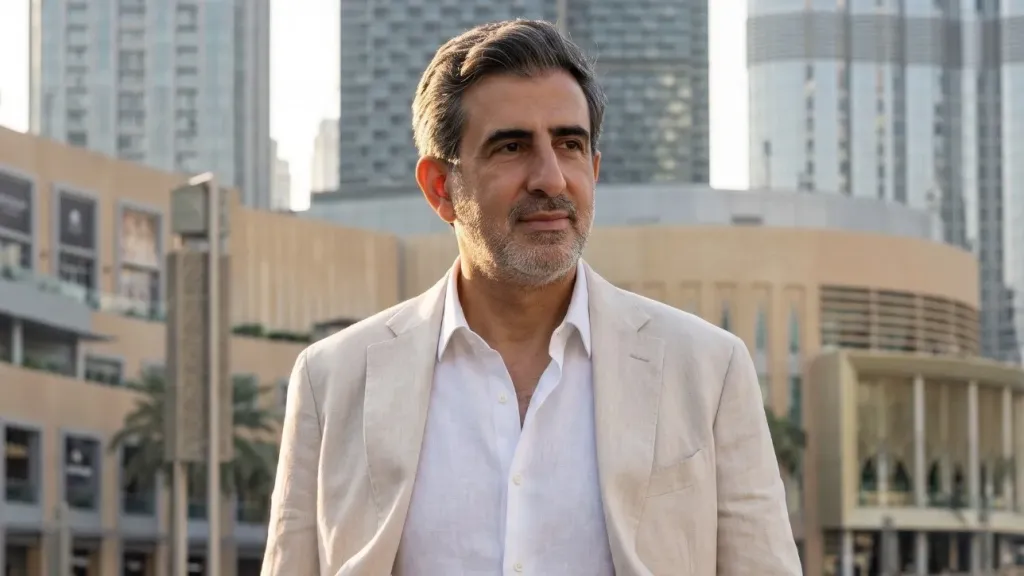
Investment strategist Samer Choucair said the rise of the Big Ten at the expense of the Southeastern Conference (SEC) in American college football reflects a structural shift in one of the most profitable segments of the sports industry, with revenues at major conferences exceeding $1 billion annually amid continued growth in the value of media rights and talent.
Choucair explained that the Big Ten won three consecutive national championships, benefiting from a media deal worth approximately $7 billion with major networks. This helped push its revenue to $1.47 billion in fiscal 2025, compared with $1.11 billion for the SEC.
He added that the market for Name, Image, and Likeness (NIL) deals for college athletes has exceeded $4 billion, with football accounting for the largest share.
Sports Are Becoming a Capital-Intensive Industry
Samer Choucair noted that these figures confirm that competition on the field has become a direct extension of competition for capital. Investment in stadiums, recruiting, infrastructure, and marketing has become essential to attracting media rights, sponsorships, and advertising.
Choucair said the SEC has traditionally maintained its advantage through its concentration of elite talent and its strong fan culture. However, the Big Ten has narrowed the gap through systematic investment in recruiting, infrastructure, and the fan experience.
This has translated into higher revenue distributions for member universities and greater capacity to finance athletic programs and related academic infrastructure.
Sports Content as an Investment Asset
Samer Choucair explained that the American experience offers a model for converting intangible assets—such as fan loyalty and content rights—into sustainable cash flows.
He said the shift in competitive power reflects a fundamental principle of capital allocation: consistent investment in product quality and the audience experience drives the long-term repricing of media assets.
Choucair added that institutional investors are monitoring college sports as an indicator of broader trends in the entertainment industry, particularly as the value of live sports content continues to rise in the digital-platform era.
This has implications for media and entertainment companies as well as investment funds focused on sports infrastructure.
Lessons for the Gulf
Samer Choucair said the growth in revenues generated by major conferences creates opportunities for sovereign wealth funds and asset managers in areas including sports technology, stadium management, and fan-engagement platforms.
He noted that the Saudi sports market is expected to exceed $22 billion by 2030 under Vision 2030, supported by Public Investment Fund investments in infrastructure, events, and clubs, as well as joint projects with global companies in stadium management and commercial operations.
Choucair explained that Gulf investors are looking for replicable models from mature markets, where investment in talent and infrastructure can translate into measurable media returns.
He emphasized the importance of directing capital toward assets that combine recurring cash flows from media rights and sponsorships with structural growth driven by digitization and geographic expansion.
Opportunities in the Sports Economy
Choucair said this model supports Gulf diversification efforts beyond oil and creates opportunities in sports tourism, the digital economy, artificial intelligence for performance analysis and fan engagement, and logistics services associated with major events.
He cautioned, however, about risks arising from potential changes in U.S. regulations governing athlete compensation, rising recruiting costs and inflation, as well as increasing competition for media rights from professional sports leagues.
A New Race for Media Rights
Samer Choucair said media-rights revenues are likely to continue growing as major contracts approach renewal after 2030, with estimates suggesting that the overall value of college football could potentially double.
He added that leading universities stand to benefit from higher distributions, while less-funded institutions could face increasing pressure to keep pace.
Broadcast networks, sports-technology companies, and sponsors are also positioned to benefit from higher viewership. However, some programs could face margin pressure if NIL costs rise disproportionately.
Choucair emphasized that the real opportunity lies in long-term investment in ecosystems that combine sports content with digital infrastructure, particularly in emerging markets seeking to build domestic entertainment industries.
He cautioned against sacrificing financial sustainability in pursuit of short-term sporting success.
The Outlook for Sports Investment
Samer Choucair concluded that the professionalization of college sports will redirect capital toward high-quality media assets and technologies that enhance the fan experience.
He said institutional investors in Saudi Arabia and the Gulf can draw on this experience to build sustainable sports ecosystems supporting Vision 2030 through international partnerships and the transfer of expertise in revenue management and marketing.
Choucair added that the coming years could bring greater integration between U.S. and Gulf markets through investments in infrastructure and joint events.
Ultimately, he said, the success of this trajectory will depend on allocating capital according to the ability to generate long-term value through sustainable competitiveness and innovation in entertainment products.