
Samer Choucair: FIFA Governance Crisis Resets the Pricing of Sports Investment Risk
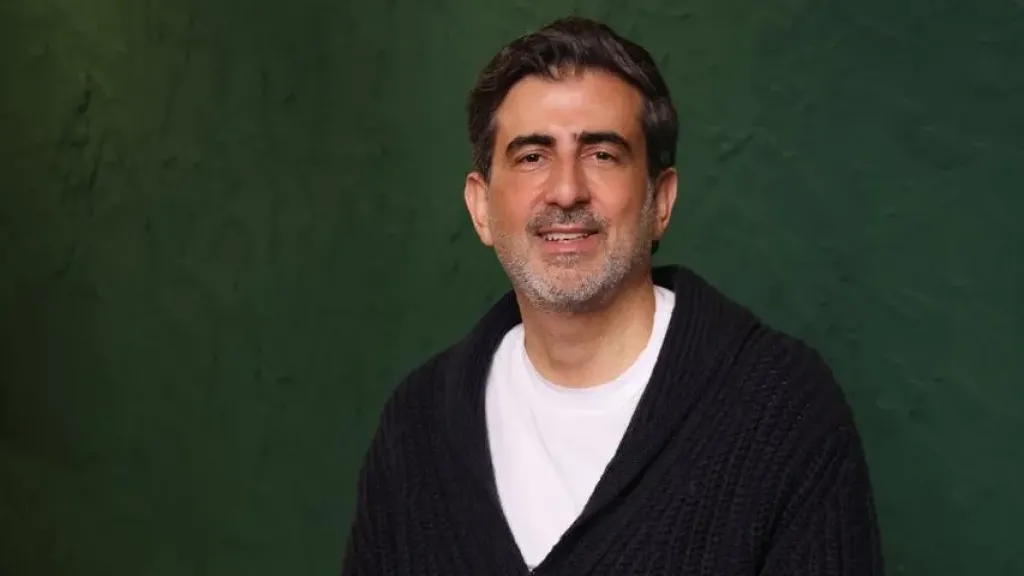
Investment leader Samer Choucair said the latest crisis at FIFA has exposed structural weaknesses that extend beyond individual leadership, after an attempt to establish a new commercial entity to manage World Cup rights and sell a minority stake valued at approximately $4.2 billion triggered one of the organization’s deepest confidence crises since its previous corruption scandals.
Choucair explained that abandoning the project did not end calls for structural reforms aimed at restoring the balance between executive authority and independent oversight. Instead, the episode has reset the way governance risks associated with global sports assets are priced and opened a broader debate about capital allocation in a sector worth tens of billions of dollars commercially.
He added that the issue is particularly important for Gulf sovereign wealth funds given Saudi Arabia’s hosting of the 2034 FIFA World Cup.
Commercial Ambition Collides With Governance
Samer Choucair said FIFA has recorded significant revenue growth in recent years, driven by expanding the World Cup to 48 teams and launching new competitions. This has attracted the attention of private-equity funds and institutional investors seeking relatively stable cash flows tied to global events with resilient demand.
Choucair noted that the proposed FIFA Forward Enterprise was designed to separate the organization’s most valuable commercial assets and assign them an estimated valuation of around $20 billion, with the sale of a minority stake intended to open the door to external financing.
He explained that the way the proposal was introduced, combined with limited prior consultation with continental federations, transformed a commercial initiative into an internal political crisis.
The plan was withdrawn within days following boycott threats and a loss of confidence from UEFA and other football associations.
Choucair stressed that what happened was not merely a communications failure.
> “Bringing private capital into the heart of the most symbolic assets in global sport without first building institutional consensus exposes a gap in understanding the nature of these assets.”
Institutional investors, he argued, do not simply purchase cash flows. They also purchase governance stability and predictability in regulatory decision-making. When those elements are absent, the required discount rate can rise sharply.
The Gulf Faces an Important Investment Lesson
Samer Choucair said the crisis opens a broader discussion about how sovereign wealth funds and private-equity firms approach sports assets.
Large amounts of capital have flowed into clubs, leagues, and media rights in recent years in search of returns that are less correlated with traditional economic cycles.
These investments, however, carry unique regulatory and political risks, making the FIFA experience particularly relevant to the Gulf, where the Public Investment Fund plays a central role in developing the sports sector under Vision 2030.
Choucair noted that Saudi Arabia’s hosting of the 2034 World Cup, alongside its expanding partnerships with FIFA—including official sponsorship of the 2026 World Cup and infrastructure initiatives—makes the stability of the international governing body’s governance an important factor in assessing investments associated with the tournament, including tourism, logistics, and entertainment.
Three Layers of Governance Risk
Samer Choucair identified three principal layers of risk exposed by the crisis:
1. Concentration of authority within an organization managing globally significant assets.
2. Potential conflicts of interest between FIFA’s regulatory and commercial roles.
3. Voting mechanisms that give member associations equal votes regardless of their economic size or contribution to revenues.
Choucair said these factors could impose a higher “governance discount” on future transactions involving the sale of stakes or issuance of debt instruments linked to FIFA rights.
At the same time, the crisis could encourage more transparent structures, including limited partnerships with strategic investors under independent oversight or financing structures backed by defined cash flows without surrendering operational control.
He emphasized that markets generally favor structures that clearly separate executive authority from oversight, because the absence of such separation makes private capital more hesitant and increases the cost of financing.
Opportunities Remain Despite the Pressure
Samer Choucair said sports assets will remain attractive to investors with long-term investment horizons as broadcasting, sponsorship, and digital-rights revenues continue to grow alongside the expansion of competitions and digital platforms.
He added that pressure on FIFA could accelerate the adoption of governance standards closer to those used by listed companies and major sovereign investment institutions, potentially reducing risk premiums and attracting pension funds and asset managers.
According to Choucair, markets will focus on three key indicators:
The seriousness of reforms ahead of the next presidential election.
The structure and independence of oversight mechanisms.
The extent to which major continental federations participate in commercial decision-making.
In conclusion, Samer Choucair said the greater opportunity for Gulf investors may lie in infrastructure and services surrounding major sporting events rather than direct ownership stakes in FIFA’s core commercial rights.
Such an approach would align with Vision 2030’s broader strategy of using sport as a catalyst for economic development.
Choucair concluded that the FIFA crisis reinforces a fundamental rule of institutional investing: governance is not an administrative detail; it is a core component of an asset’s valuation—and capital that ignores it ultimately pays a heavy price.