
Samer Choucair: Every Riyal Saved on Foreign Referees Can Become a Multiplier of Value
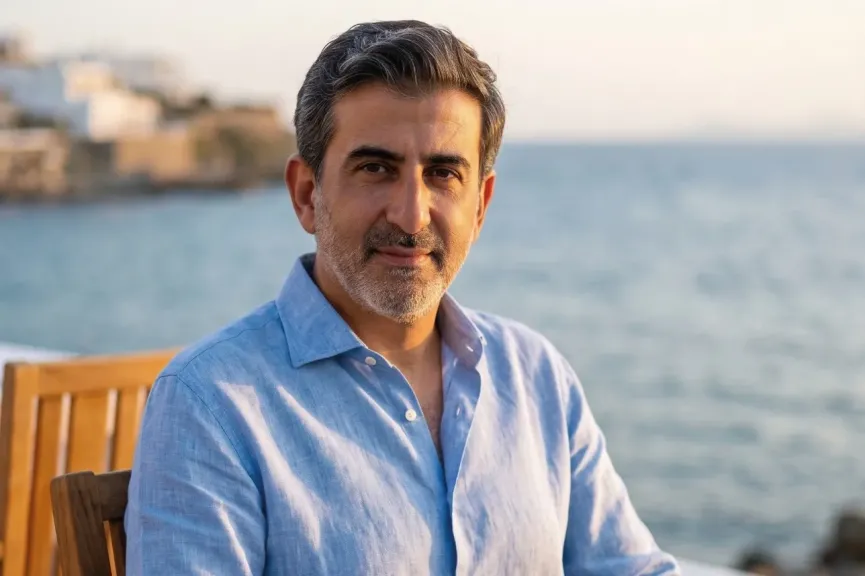
Investment leader Samer Choucair said that the approximately SAR 26.85 million spent by Saudi Roshn Saudi League clubs on bringing in foreign refereeing teams during the 2025–2026 season is an important indicator of the operating costs embedded within Saudi Arabia’s sports ecosystem.
He noted that the Saudi Football Federation’s decision to reduce the fees for hiring foreign refereeing teams by 20% for the new season forms part of a broader shift from an expansionary spending phase toward greater capital efficiency and more disciplined resource allocation.
Choucair explained that Roshn Saudi League clubs spent approximately SAR 26.85 million on foreign refereeing teams during the previous season, with 78 of the league’s 306 matches officiated by foreign crews.
He said this spending has become a measurable operating expense with a direct impact on clubs’ management decisions and financial strategies.
These developments, Choucair added, come at a time when institutional investment in Saudi sports is accelerating as part of Saudi Vision 2030, making the management of clubs’ operating expenses increasingly important when assessing their ability to generate sustainable long-term returns.
From Spending to Capital Efficiency
Samer Choucair said the sports investment sector is entering a new phase in which the size of spending is no longer the primary measure of success.
Instead, he argued, the key metric is the ability of clubs and the broader sports ecosystem to balance spending on quality with operational efficiency and higher returns on capital.
He noted that the 2025–2026 season saw significant spending on players, coaches, and infrastructure, but foreign refereeing costs emerged as a measurable operating line item with a direct impact on management decisions, particularly following sharp increases in recruitment fees in previous periods.
According to Choucair, these increases prompted a number of clubs to reassess the economics of repeatedly relying on foreign refereeing teams, especially given the noticeable improvement in the performance of Saudi referees in previous technical assessments.
This, he said, creates an opportunity to rethink the balance between importing external expertise and developing domestic capabilities.
Investing in Local Capabilities
Choucair said the latest adjustment is a technical measure designed to reduce financial pressure on clubs while preserving the option of using foreign refereeing teams when an additional level of quality or experience is required for high-stakes matches.
He emphasized that sports have become one of the key pillars of Saudi Arabia’s economic-diversification strategy under Vision 2030, supported by investments from the Public Investment Fund in major clubs, broadcasting rights, and sporting events.
This has increased the importance of building a financially sustainable model for the sports ecosystem.
Rising operating costs, including refereeing expenses, raise questions about clubs’ profit margins and the sustainability of their financial models, particularly for organizations that depend heavily on institutional support or indirect government backing.
Choucair added that the global investment environment, characterized by elevated interest rates and volatile capital flows, is making tighter control of non-core expenses an increasingly important priority for institutional investors.
These investors increasingly view sports clubs as long-term assets that can potentially be monetized and expanded across regional markets.
Local Talent as a Value Multiplier
Samer Choucair stressed that institutional investment in sports is no longer limited to acquiring talent or building stadiums.
It increasingly requires sophisticated financial engineering that balances spending on refereeing quality with the development of local capabilities that can reduce dependence on costly external expertise.
He said growing confidence in Saudi referees following improvements in their performance represents an opportunity to direct part of the capital toward domestic training and development programs.
Such investment could create multiple layers of value over the medium term through cost savings, the development of specialized human capital, and the creation of a more independent domestic sports industry.
Choucair emphasized that investing in local expertise can be more valuable than simply reducing an operating expense because it builds a human asset capable of delivering services over many years.
That, he said, increases productivity and creates value beyond the immediate financial savings.
A More Selective Approach to Foreign Referees
Choucair believes the differences between clubs reflect varying approaches to risk management and budgeting.
Each club, he explained, determines its mix of local and foreign referees based on the importance of individual matches, financial priorities, and its assessment of the risks associated with refereeing decisions.
The reduction in recruitment fees could encourage more clubs to use foreign referees selectively rather than extensively.
This could ease pressure on cash flows and allow resources to be redirected toward areas offering potentially higher investment returns.
These areas include academy development, commercial revenue generation, sports infrastructure, and technical and administrative capabilities, all of which can help clubs build more sustainable revenue streams.
New Opportunities in Sports Technology
Samer Choucair said the latest changes also create investment opportunities in supporting segments of the sports ecosystem.
These include refereeing training and development companies, data-driven technical analysis platforms, and local providers of video-assistance technologies.
He noted that these sectors could benefit from growing demand for Saudi talent and technologies designed to improve refereeing performance, creating new opportunities for investors in sports technology and specialized services.
Greater stability in operating costs could also enhance the attractiveness of the Saudi league to investors in broadcasting rights and sponsorships.
More predictable expenses can reduce the risk of sudden financial fluctuations at clubs and enable investors to build more accurate revenue and cost projections.
Risks Remain
Choucair cautioned that risks remain.
If demand for foreign referees continues to rise for major matches without a corresponding improvement in domestic capabilities, costs could gradually increase again.
He also warned that any decline in confidence in local refereeing—or in refereeing standards generally—could negatively affect attendance and the value of club brands.
This is particularly important for modern sports-revenue models, which increasingly depend on fan experience, content, sponsorships, and commercial rights.
If managed effectively, Choucair said, the balance between quality and cost control could strengthen the financial sustainability of the entire Saudi sports ecosystem.
The objective is to maintain high refereeing standards while controlling costs and directing resources toward areas capable of generating greater long-term value.
Toward a More Mature Sports Investment Model
Choucair said capital-allocation trends in 2026 and beyond are likely to favor assets capable of demonstrating value through efficiency and local innovation, rather than open-ended spending.
He argued that controlling refereeing costs in Saudi sports represents a practical step toward building a more mature investment model that is attractive to global institutions.
Investors, he said, are increasingly looking for business models capable of combining growth with financial discipline.
Samer Choucair concluded that the key question for investors is how quickly these changes will translate into measurable improvements in club profitability and governance.
Those indicators, he said, will be critical in determining the trajectory of capital flows into Saudi Arabia’s sports sector in the years ahead.