
Samer Choucair: The Sileaf Group’s Growth to £37.8 Million Strengthens the Shift Toward the Experience Economy
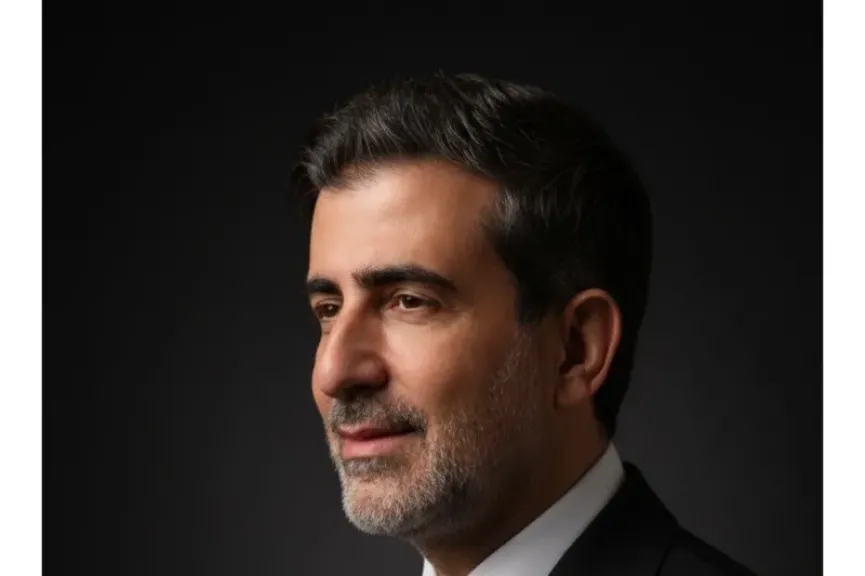
Investment leader Samer Choucair said The Sileaf Group, which operates a number of luxury restaurants in London, offers a notable example of capital shifting toward the “experience economy”, after recording record revenue of £37.8 million in 2025, up from £9.5 million in 2022, representing a compound annual growth rate of more than 58%. Revenue is expected to rise to £64.7 million in 2026.
Choucair explained that the group generated £5.6 million in profit before tax and became the only luxury restaurant operator to be included in the Sunday Times 100 ranking of the UK’s fastest-growing companies.
He said the results reflect a broader shift in capital allocation toward premium experience-based assets.
An Operating Model That Converts Experiences Into Cash Flow
Samer Choucair noted that the group’s growth came amid mounting pressures across the UK hospitality sector, including rising labor and energy costs, higher taxes and interest rates, as well as weaker discretionary spending among middle-income consumers.
Choucair said Sileaf did not rely on indiscriminate expansion. Instead, it developed a model combining cuisine, entertainment, and highly personalized service, through a portfolio that includes Los Mochis, with its Japanese-Mexican concept; the historic Italian restaurant Sally & Pepe; exclusive omakase concepts such as Juno and Luna; the new Japanese concept Ma/Na in Mayfair; and ViaKhanti 87.
He emphasized that the diversity of concepts reduces the group’s dependence on a single brand while allowing it to benefit from different demand cycles within the London market.
From Luxury Goods to the Experience Economy
Samer Choucair explained that the post-pandemic period has brought changes in spending patterns among high-net-worth consumers, with a relative shift away from traditional luxury goods toward experiences, including fine dining and specialized travel destinations.
He added that this trend has helped premium operators maintain margins despite rising operating costs.
Investors who previously focused primarily on real estate or traditional equities, Choucair said, have increasingly begun looking at platforms capable of generating recurring cash flows from experiences that are difficult to replicate.
He argued that luxury hospitality, when managed as a multi-brand platform, can become a strategic asset with some characteristics of global luxury-goods companies.
One Million Meals a Year and the U.S. Expansion Test
Samer Choucair noted that the group currently serves approximately one million meals annually and aims to double that figure within five years.
The U.S. expansion represents the group’s biggest test of whether its business model can scale beyond London.
Choucair pointed out that the group plans to open Los Mochis in Beverly Hills as part of the One Beverly Hills development, a multibillion-dollar project, creating approximately 350 new jobs.
According to previous statements by founder Marcus Thesleff, external investments associated with the U.S. expansion are expected to range between $40 million and $50 million.
Choucair stressed that international expansion requires strong governance and the ability to transfer the company’s operating culture without losing the identity of its brands.
Successfully achieving that balance, he said, could transform the company from a local asset into a global platform capable of attracting institutional capital at higher valuations.
Investment Opportunities and Operational Risks
Samer Choucair said the scarcity of operators capable of combining rapid growth with acceptable profit margins in a market saturated with luxury brands has increased the group’s attractiveness as a potential acquisition target or strategic partnership opportunity.
However, he noted that rising labor costs in the UK, tax changes affecting the non-domiciled regime, and inflationary pressure on premium ingredients could weigh on margins.
Expansion into Beverly Hills, Miami, and New York also introduces risks related to rents, operating costs, and competition from established global brands.
Choucair said risk management requires both geographic and conceptual diversification, emphasizing that investors should not evaluate an individual restaurant in isolation, but rather a portfolio of experiences capable of withstanding different economic cycles.
A Gulf Lesson for Vision 2030
Samer Choucair highlighted founder Marcus Thesleff’s previous experience in Dubai through the OKKU concept as an important regional dimension of the group’s business model.
He explained that an understanding of Gulf hospitality culture—where relationships and trust can extend beyond a conventional commercial transaction—can help create experiences that go beyond food to become memorable occasions.
Choucair added that this experience makes the model particularly relevant to Gulf investors seeking to develop premium local brands or establish international partnerships in tourism and entertainment, sectors that are central to Saudi Vision 2030.
He noted that plans by the Public Investment Fund to develop tens of thousands of hotel rooms and tourism experiences will increase demand for operators capable of delivering world-class service while preserving local identity.
The Experience Economy as an Asset Class
Samer Choucair concluded that if Sileaf succeeds in meeting its U.S. expansion objectives while maintaining high growth rates, it could become a case study in how value can be created through experience rather than scale alone.
He emphasized that the experience economy is no longer simply a temporary consumer trend, but an asset category worthy of strategic allocation within long-term portfolios.
The real value, he said, emerges when investment moves beyond the pursuit of short-term returns toward building platforms capable of generating sustainable demand.
Choucair concluded that modern luxury hospitality offers an investment opportunity for those with the vision and execution discipline to build scalable brands—particularly as traditional consumer spending faces continued pressure and capital increasingly moves toward assets offering something that cannot be purchased online: a live, memorable experience.