
Samer Choucair: FIFA-UEFA Crisis Confirms Governance Has Become the Decisive Factor in Valuing Sports Assets
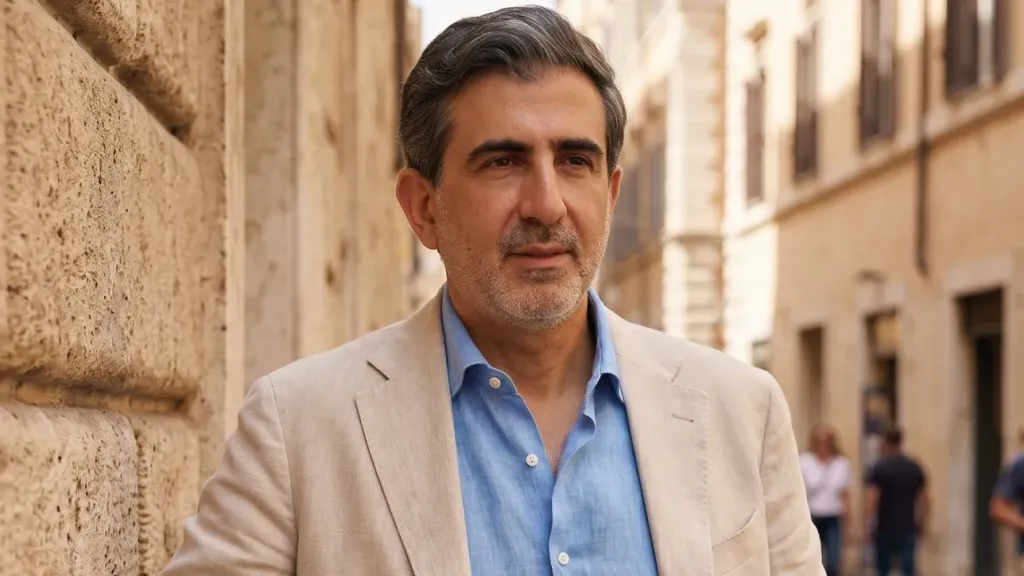
Entrepreneur Samer Choucair said the crisis that followed FIFA’s decision to abandon a plan to sell a minority stake in a new commercial company managing its tournament rights represents a genuine test of governance standards in the global sports industry.
He noted that investors no longer assess sports assets solely on the basis of revenue growth, but increasingly according to transparency and institutional stability.
The project was withdrawn after widespread objections from UEFA and several continental football associations, even though the plan aimed to raise approximately $4.2 billion through the sale of a minority stake in an entity valued at around $20 billion, while FIFA would have retained full control.
Choucair explained that recent developments confirm that major sports assets are becoming increasingly exposed to governance and regulatory risks.
This is likely to encourage asset managers and sovereign wealth funds to incorporate transparency and decision-making structures more explicitly into their risk-assessment models before committing new capital to the sector.
Samer Choucair noted that the global sports market remains highly attractive because of continued growth in broadcasting rights, sponsorship, and live sports content.
However, recent events demonstrate that a lack of institutional consensus can quickly affect the valuation of major transactions and increase the cost of capital, even when underlying commercial indicators remain strong.
He added that institutional investors are likely to give greater priority in the coming period to investments supported by clear management structures, whether in clubs, leagues, or sports-infrastructure projects.
At the same time, due-diligence requirements are expected to become more rigorous before long-term investments are completed.
Regarding the region, Choucair explained that Gulf countries, led by Saudi Arabia, have an opportunity to strengthen their position in the global sports economy through long-term investment in infrastructure and major sporting events.
He emphasized, however, that achieving the highest possible returns on these investments will require continued adherence to strong governance and institutional-management practices in order to preserve economic value and reinforce the confidence of international investors.
Samer Choucair stressed that the current crisis does not indicate a decline in the attractiveness of the sports sector.
Instead, it represents a repricing of risk, with investment flows increasingly likely to favour entities that combine commercial growth with sound governance and regulatory clarity.
Concluding his remarks, Samer Choucair said the future of sports investment will increasingly depend on institutions’ ability to balance the maximization of financial returns with the preservation of institutional trust.
He noted that recent events confirm governance has become one of the most important determinants of value in global sports assets, and that investors who incorporate regulatory and political risks into their capital-allocation decisions will be best positioned to generate sustainable returns in the years ahead.