
Japan’s Longevity Success Faces a Sustainability Test as Samer Choucair Identifies Health-Technology Investment Opportunities
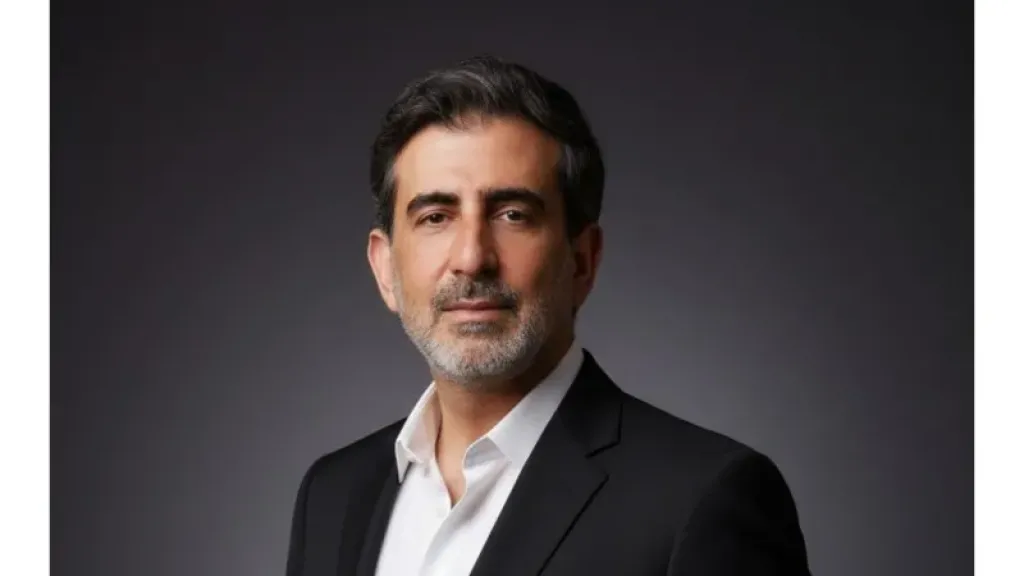
Entrepreneur Samer Choucair said Japan’s healthcare system has long been regarded as one of the world’s most successful models of universal coverage, helping the country achieve record levels of life expectancy.
Approximately 30% of Japan’s population is now over the age of 65, while the number of citizens aged 100 or older has risen to nearly 100,000.
Choucair added that this healthcare success is increasingly accompanied by demographic and financial pressure resulting from rapid population ageing, shortages of workers in nursing and long-term care, and rising operating costs.
These factors are beginning to create sustainability challenges for hospitals and healthcare providers.
He explained that these changes are generating new opportunities for institutional investors across healthcare technology, robotics, artificial intelligence, and solutions designed to improve operating efficiency.
At the same time, they are creating additional risks for Japanese sovereign bonds and markets exposed to social expenditure.
Samer Choucair noted that capital allocation toward healthy-longevity solutions has become a strategic theme extending beyond Japan to Gulf markets, which are developing advanced healthcare systems under economic-diversification programmes and Vision 2030.
Japan enters a structural test despite the success of its healthcare model
Samer Choucair said institutional investors now face a complex equation in Asia’s third-largest economy, where Japan’s healthcare system combines exceptional longevity outcomes with mounting challenges associated with an ageing population.
He explained that female life expectancy in Japan has exceeded 87 years, while male life expectancy has risen above 81 years.
These results have been supported by a compulsory universal healthcare system introduced in 1961, together with long-term-care insurance and an integrated network of community-based services.
Choucair added that the model succeeded in maintaining healthcare expenditure at relatively moderate levels compared with several other advanced economies.
However, growing demand resulting from population ageing is creating new pressures, with the proportion of people over 65 expected to exceed 40% by 2060.
Demographics are repricing risks across Japan’s healthcare sector
Samer Choucair noted that demographics have become the most influential factor shaping the future of Japan’s healthcare system.
World Economic Forum estimates indicate that people over the age of 65 account for nearly 30% of the population, the highest proportion globally.
He added that the presence of almost 100,000 centenarians, according to data released by Japan’s Ministry of Health in 2025, illustrates the scale of the demographic transformation confronting the country.
This has placed direct pressure on healthcare expenditure, which stands at between 10.6% and 11% of gross domestic product, with a substantial share directed toward older age groups.
Choucair said the medical-services and long-term-care markets are experiencing an increase in bankruptcies because of labour shortages and higher wage, energy, and supply costs.
Government-controlled pricing limits hospitals’ ability to pass these expenses on to payers.
“Japan’s demographic pressure is no longer merely a social issue, but a major factor in the repricing of risk across sovereign-debt markets and healthcare-related equities,” Samer Choucair said. “Institutional investors who ignore the cost of extending life without improving operating efficiency expose their portfolios to inflationary pressure from public expenditure.”
Healthcare technology becomes a new focus for capital flows
Samer Choucair emphasized that the structural challenges confronting Japan’s healthcare system have opened the way for new capital flows into sectors capable of raising productivity.
He identified four principal areas of investment opportunity.
The first is healthcare technology and assistive robotics, where Japan’s accumulated expertise in automation can be converted into exportable products and services.
The second is artificial-intelligence solutions used in diagnosis, prevention, and treatment-pathway management, which can reduce pressure on healthcare professionals.
The third is integrated home- and community-care models that reduce dependence on expensive conventional care systems.
The fourth is pharmaceutical and medical-device companies focused on chronic diseases associated with ageing.
Choucair noted that institutional investors in Japanese equities may find selective opportunities in companies capable of increasing productivity through digitalization, while traditional institutions with high fixed costs are likely to face continuing pressure on profit margins.
He added that debt markets will continue monitoring the effect of rising social expenditure on Japanese government-bond yields, particularly as the country’s debt-to-GDP ratio remains among the highest in the world.
“Global capital has been searching for scalable models within the longevity economy,” Samer Choucair said. “Japan offers a dual lesson: it achieved strong healthcare outcomes at a relatively reasonable cost, but urgently needs technological and operational innovation to preserve sustainability.”
Japan’s experience creates strategic opportunities for the Gulf
Samer Choucair said Japan’s model offers important lessons for Gulf economies, particularly Saudi Arabia under Vision 2030, which prioritizes the development of an advanced healthcare sector based on innovation and digital transformation.
He explained that the Kingdom is investing significantly in digital-health transformation, prevention, and medical infrastructure while seeking to attract foreign direct investment into the healthcare sector.
Choucair added that sovereign wealth funds, including the Public Investment Fund, could benefit from establishing technology partnerships with Japanese companies specializing in robotics, long-term care, and medical artificial intelligence.
Such partnerships could support economic-diversification objectives and improve the preparedness of Gulf healthcare systems for future demographic changes.
He emphasized that rising global demand for healthy-longevity solutions creates opportunities for Gulf companies in medical tourism and specialized healthcare services, supported by the region’s geographic position and financial resources.
“Strategic investment in healthcare is no longer a narrow sectoral choice, but part of long-term capital allocation connecting social stability with economic growth,” Samer Choucair said. “Sovereign wealth funds that incorporate demographic sustainability into their decisions will be better positioned to benefit from the next market cycle.”
Future risks and market scenarios
Samer Choucair explained that the principal risks confronting Japan’s healthcare system include continued shortages of specialized workers, particularly in rural areas, growing financial pressure on public and private hospitals, and the possibility of higher government expenditure affecting the country’s credit rating or financing costs.
He added that slow adoption of modern technologies could deepen the gap between supply and demand in care services, while faster administrative reform and digital transformation could improve efficiency and preserve Japan’s competitive advantage.
Choucair noted that investors are also monitoring how these pressures may affect Bank of Japan monetary policy, capital flows into Asian assets, and global healthcare supply chains.
He added that any substantial increase in healthcare-service costs could contribute to structural inflation in other advanced economies confronting similar ageing challenges.
Strategic outlook for longevity-economy investment
Samer Choucair said Japan’s health and long-term-care sectors will remain central to institutional investors seeking exposure to long-term demographic change.
He added that the greatest opportunities will favour companies combining technological innovation, operating efficiency, and the ability to expand regionally, while the principal risks will centre on the financial system’s capacity to remain sustainable.
Concluding his remarks, Samer Choucair said: “The successful investor in 2026 and beyond will view population ageing not only as a burden, but as a driver of capital reallocation toward solutions that raise healthcare productivity. Japan has provided a living laboratory for this transformation, while the Gulf possesses the resources and strategic vision required to build more resilient and sustainable systems.”
He emphasized that this combination of demographic change, technology, and financial governance has placed Japan’s healthcare sector at the centre of the global institutional-investment agenda, shaping the direction of capital flows during the coming years.