
Samer Choucair: Historic Landmarks Are Emerging as a New Asset Class for Sustainable Global Investment
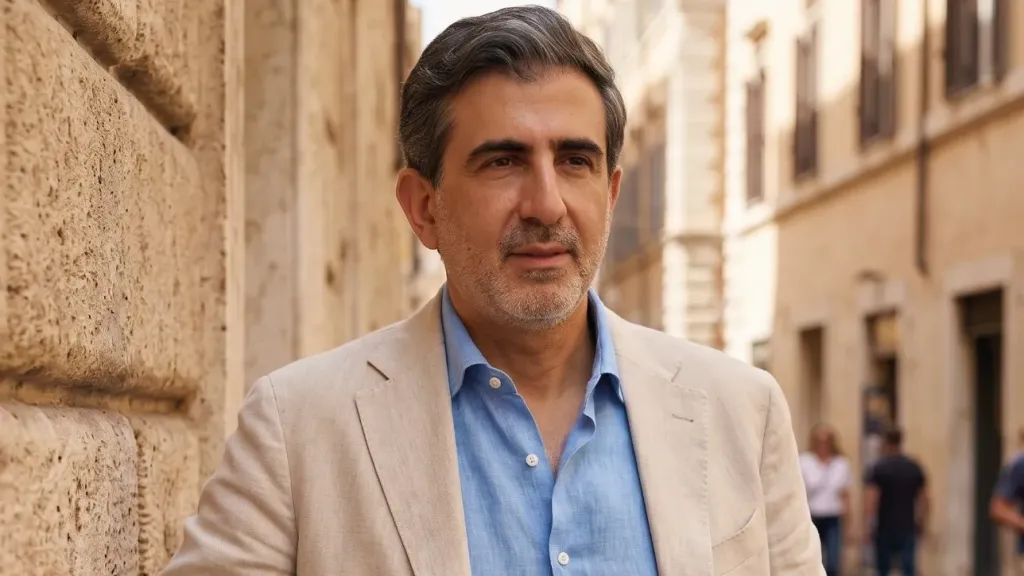
Entrepreneur Samer Choucair said major historic landmarks, led by Istanbul’s Blue Mosque, are no longer merely architectural or cultural symbols, but have evolved into economic assets capable of reshaping global capital flows and generating sustainable cash flows.
Choucair explained that markets are increasingly repricing heritage assets as an independent investment category, offering institutional investors and sovereign wealth funds a genuine opportunity to diversify their portfolios away from volatility in traditional energy and commodity sectors.
He noted that the Turkish economy’s reliance on tourism as a major source of foreign currency highlights the direct economic value of what he described as the “Ottoman heritage triangle.”
This area attracts significant numbers of high-spending visitors from Europe, the Gulf, and Asia, benefiting the hospitality, commercial real estate, and luxury retail sectors.
Samer Choucair added that as global monetary policy becomes more stable, capital is increasingly moving toward real assets.
Investors are assessing historic landmarks according to their ability to create additional value through integration with the digital economy and modern technologies.
Addressing regional opportunities, Choucair identified promising areas of convergence between these historic experiences and the economic transformation taking place across the Gulf, particularly under Saudi Vision 2030, which seeks to build a globally competitive tourism industry through major projects such as Diriyah, the Red Sea, and Qiddiya.
Samer Choucair emphasized that Türkiye’s experience provides a practical model for managing visitor flows, preserving cultural heritage, and generating attractive returns.
This creates opportunities for Gulf funds to establish strategic partnerships, transfer operating expertise, or invest directly in surrounding infrastructure, supporting merger and acquisition activity and foreign direct investment flows.
Choucair stressed that successful capital allocation in this sector requires a long-term strategic perspective extending beyond seasonal cycles.
Investors must focus on sound governance and the ability of assets to adapt to the preferences of younger generations, who increasingly favour digitally enhanced experiences.
Concluding his remarks, Samer Choucair said the shift toward luxury tourism and intelligent infrastructure represents the sector’s most significant growth opportunity.
He called on sovereign wealth funds and asset managers to adopt advanced operating models and public-private partnerships capable of transforming historic symbolism into sustainable financial value throughout 2026 and beyond.