
Samer Choucair: Private Capital Faces a Genuine Test in Global Sports Investment
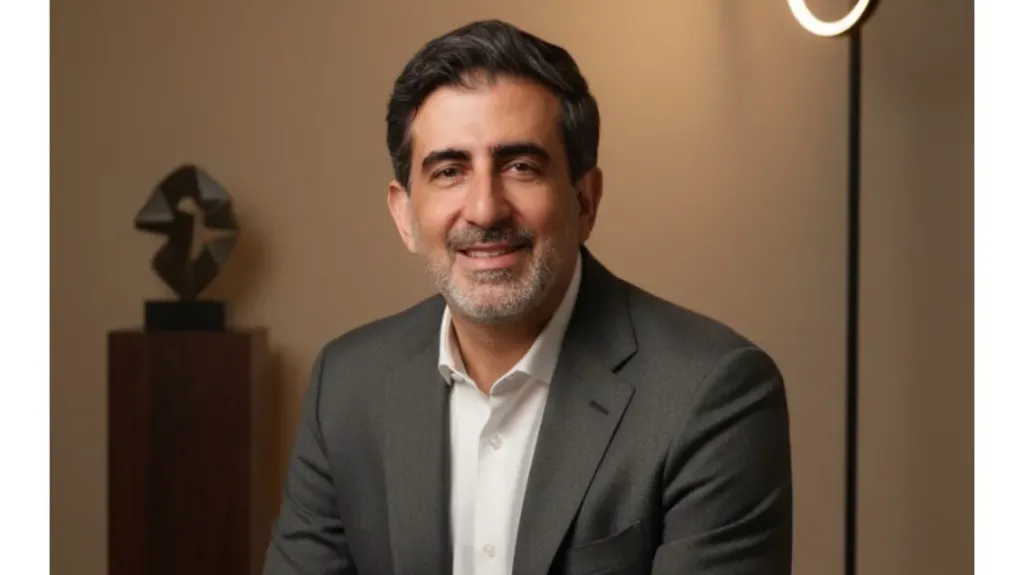
Entrepreneur Samer Choucair said FIFA’s proposal to establish a new commercial entity with an estimated value of approximately $20 billion and sell a non-controlling minority stake of up to 20% for around $4.2 billion represents an important milestone in the evolution of global sports investment.
He explained that FIFA’s withdrawal of the proposal following widespread objections from UEFA and several continental confederations reveals the practical limits of private capital’s involvement in global sports assets.
Samer Choucair said the development should not be regarded merely as an incomplete transaction, but as an indicator of a new phase in the reassessment of global sports assets.
The desire to attract long-term financing must be balanced against the need to preserve governance structures and institutional confidence, which form an essential part of sport’s value as a global consumer product.
He noted that global sport has become an independent investment asset class during recent years, attracting private equity funds, sovereign wealth funds, and asset managers because of its recurring cash flows from broadcasting rights, sponsorships, ticketing, and hospitality.
Sport also provides live experiences that cannot be entirely replaced in the age of artificial intelligence and digital transformation.
“When the World Cup changes from a sporting event into a tradable investment product, the relationship of trust between supporters, governing bodies, and investors is transformed,” Samer Choucair said.
He added that institutional investors are increasingly seeking assets with long-term investment characteristics, particularly those linked to direct human experiences that cannot be fully digitized.
This makes major sporting competitions attractive targets for private capital, but only within clearly defined governance frameworks.
Choucair noted that FIFA’s proposal followed substantial growth in commercial revenue associated with the 2026 World Cup, supported by the tournament’s expansion and higher returns from broadcasting, marketing, and hospitality rights.
These results strengthened the argument for separating commercial activities from the governing structure through an independent entity resembling successful commercial models in other sports.
He explained that the proposed structure was partly inspired by Formula One’s model, in which commercial operations were separated from sporting governance under an independent investment structure designed to attract long-term investors, including sovereign wealth funds and institutional investors from global markets.
Samer Choucair added that the proposed commercial entity was intended to provide additional funding for FIFA’s 211 member associations through direct payments and higher future financial distributions.
However, institutional opposition—led by UEFA, which argued that global football rights could not be treated as a commercial asset separate from the broader sporting ecosystem—resulted in the proposal being withdrawn.
Choucair emphasized that this rejection does not indicate declining interest in sports assets.
Instead, it reflects their distinctive nature compared with conventional investment sectors, as their value is simultaneously economic, social, and symbolic.
He explained that institutional investors currently favour structures offering clarity over control and governance, particularly when assets carry regulatory and political risks.
Uncertainty surrounding the relationship between investors and governing authorities can increase the risk premium even when the proposed investment is a non-controlling minority stake.
“Long-term capital seeks certainty and continuity more than rapid returns,” Samer Choucair said. “Any transaction connecting global sports assets with direct political networks increases the risk premium, even when the stake is a non-controlling minority interest.”
He added that these developments may encourage investors to pursue alternative routes into the sports industry, including investment in clubs, domestic leagues, sports infrastructure, and regional broadcasting rights, rather than attempting to invest directly in global sports governing bodies.
Choucair noted that global markets are already experiencing increasing private-capital flows into sport through investments in European and US clubs, esports, sports-content platforms, and entertainment experiences.
This trend is being driven by changing consumer behaviour and rising demand for live sports content.
Samer Choucair emphasized that the Gulf region has an increasingly important role in the future of global sports investment, particularly as sovereign wealth funds in Saudi Arabia, the United Arab Emirates, and Qatar expand their exposure to sport, major events, and infrastructure connected to entertainment and tourism.
He explained that Gulf investment in sport is no longer limited to acquiring sports assets.
It has become part of a broader strategy to diversify regional economies and strengthen creative industries and tourism.
Projects associated with Saudi Vision 2030, including the development of sports and entertainment infrastructure, demonstrate how sport can be transformed into an integrated economic sector.
“Gulf investors possess the capacity to finance major sports projects, but they understand that sustainability comes from building strong domestic ecosystems and forming partnerships that preserve the independence of the game,” Samer Choucair said.
He added that the region’s strongest investment opportunities lie in developing domestic leagues, investing in sports academies, strengthening infrastructure, and connecting sport with tourism and the digital economy.
These initiatives can support foreign direct investment and improve the competitiveness of local markets.
Choucair noted that previous experience in European leagues, particularly the English Premier League, has demonstrated Gulf capital’s ability to increase the value of clubs and commercial rights.
However, the success of these investments depends on clear governance and professional management insulated from short-term decision-making.
He explained that the principal challenges facing institutional sports investment include the possible repetition of attempts to restructure sports assets without broad institutional agreement, together with risks arising when sports investments become closely associated with political or regulatory considerations.
These factors may reduce the appeal of assets to investors focused on governance and sustainability standards.
Samer Choucair emphasized that the sports sector offers considerable opportunities as its investment market matures.
He expects the expansion of specialized sports funds, the emergence of new financing structures for infrastructure, and increased investment in digital and media rights, particularly for assets with stable cash flows and the potential for geographic expansion.
Concluding his remarks, Choucair said the most important lesson from FIFA’s proposal is the need to distinguish between the genuine commercial value of sports assets and attempts to exercise control over global symbols.
“Sport creates enormous economic value, but that value remains sustainable only when it is managed within a framework that preserves the confidence of supporters and institutions,” Samer Choucair said. “Intelligent capital will enter through channels that respect this balance, not those that attempt to bypass it.”
He emphasized that the coming phase will bring more selective capital allocation across the sports sector.
Investors will seek assets combining commercial returns, sound governance, and long-term continuity as the global economy, financial markets, geopolitics, and the sports industry become increasingly interconnected.