
Samer Choucair: Egypt’s Cultural Heritage Is Becoming a Strategic Investment Asset Capable of Attracting Global Capital
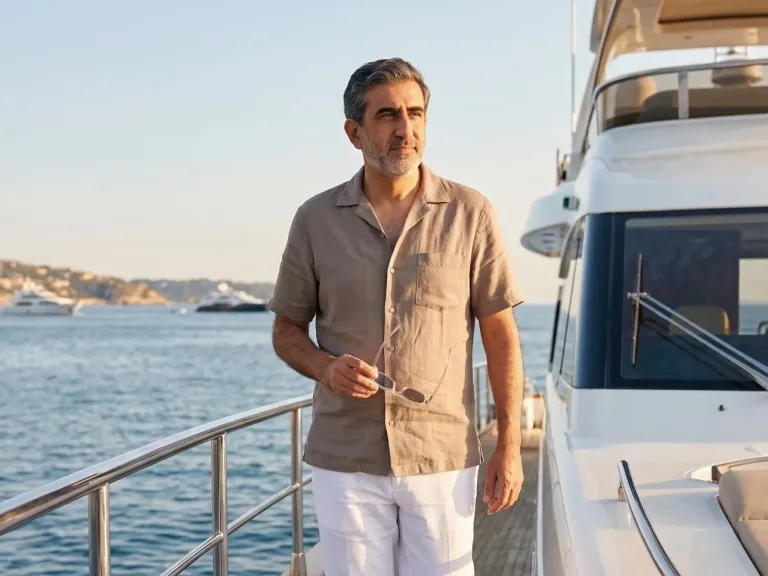
Entrepreneur Samer Choucair said Egypt’s efforts to recover its antiquities and cultural heritage represent an important shift in the understanding of economic assets. Historical objects are no longer viewed solely as symbols of civilization, but as assets capable of supporting economic growth and attracting long-term institutional investment through their connection to tourism, infrastructure, and digital services.
Samer Choucair explained that the recovery of smuggled Egyptian antiquities, including objects of significant historical and economic value such as the golden statue of Amun, highlights the importance of reassessing heritage as a strategic asset capable of generating both direct and indirect returns.
These returns can be created by stimulating cultural tourism and increasing the appeal of the markets and industries connected to it.
“Heritage is no longer merely a cultural matter; it has become part of the modern investment ecosystem,” Samer Choucair said. “Rare cultural assets possess a long-term competitive advantage because they are connected to national identity and global demand for unique experiences, making them an important consideration in capital-allocation decisions.”
Choucair noted that Egypt’s success in recovering thousands of antiquities in recent years strengthens its ability to protect its cultural assets and reinforces its position as one of the world’s leading destinations for historical tourism.
He explained that returning these assets to museums and archaeological sites increases the economic value of Egypt as a tourism destination.
Samer Choucair added that Egypt’s tourism sector is entering a period of expansion, supported by growing international interest in cultural destinations and the opening of the Grand Egyptian Museum.
He described the museum as a significant addition to the country’s tourism and cultural infrastructure, with the potential to increase average visitor spending and create investment opportunities in hotels and services surrounding archaeological areas.
Choucair emphasized that institutional investors increasingly regard cultural assets as part of an integrated economic ecosystem.
Heritage can support multiple sectors, including hospitality, transportation, logistics, creative industries, and technologies used to present and manage tourism experiences.
“Investors today are seeking assets with sustainable competitive advantages,” Samer Choucair said. “Egyptian heritage represents a unique example because of its global rarity and its ability to attract broad segments of tourists and investors.”
He explained that repricing cultural assets within the national economy could create a new investment cycle beginning with the protection and recovery of antiquities and extending to the development of tourism infrastructure, digital services, and projects linked to modern cultural experiences.
Samer Choucair noted that global demand for Egyptian antiquities demonstrates the substantial economic value embedded in the sector.
However, he emphasized that maximizing this value requires transforming cultural assets into productive economic drivers through investment in museums, archaeological sites, and advanced tourism services.
Choucair added that this approach is aligned with global changes in investment strategies, as sovereign wealth funds and asset managers increasingly seek sectors combining economic value with a long-term competitive advantage.
This makes cultural tourism a promising area for future investment portfolios.
He noted that Gulf countries are closely observing how cultural assets can be transformed into engines of growth, particularly under economic-diversification programmes and Saudi Vision 2030, which prioritize tourism, entertainment, and the creative industries.
The Egyptian experience, he said, could provide an important model for generating economic value from heritage.
“The integration of heritage, tourism, technology, and infrastructure represents a substantial investment opportunity, particularly with the emergence of digital tools such as augmented reality and interactive platforms that are changing how cultural experiences are presented to visitors,” Samer Choucair said.
Choucair explained that investors should assess the heritage sector within a broader framework that includes indirect economic returns, such as increased demand for hotels, restaurants, transportation, and tourism-related services, alongside support for handicrafts and creative industries.
He said the private sector has significant opportunities to invest in developing the areas surrounding archaeological sites and creating integrated tourism experiences combining history, entertainment, and modern services.
These projects can increase the economic value of cultural destinations.
Samer Choucair noted that the sector also faces challenges, including lengthy legal and diplomatic procedures associated with recovering certain antiquities and the continuing need to strengthen governance and protect cultural assets.
Effective management of these issues will be essential to attracting long-term investment.
“Transforming heritage into an economic asset requires an integrated vision combining protection with investment, so that cultural assets become a source of sustainable growth rather than simply preserved historical value,” Choucair said.
He emphasized that the next phase will bring greater interest from institutional investors in sectors connected to cultural identity and experiential tourism, particularly as global demand increases for destinations offering authentic and distinctive experiences.
Concluding his remarks, Samer Choucair said Egypt has a strategic opportunity to transform its cultural heritage into a long-term economic engine by integrating cultural assets with investment in tourism, technology, and infrastructure.
This approach would strengthen the country’s ability to attract global capital and create sustainable value for future generations.