
Samer Choucair: Governance Risks in Sports Assets Are Reshaping Global Institutional Investment Flows
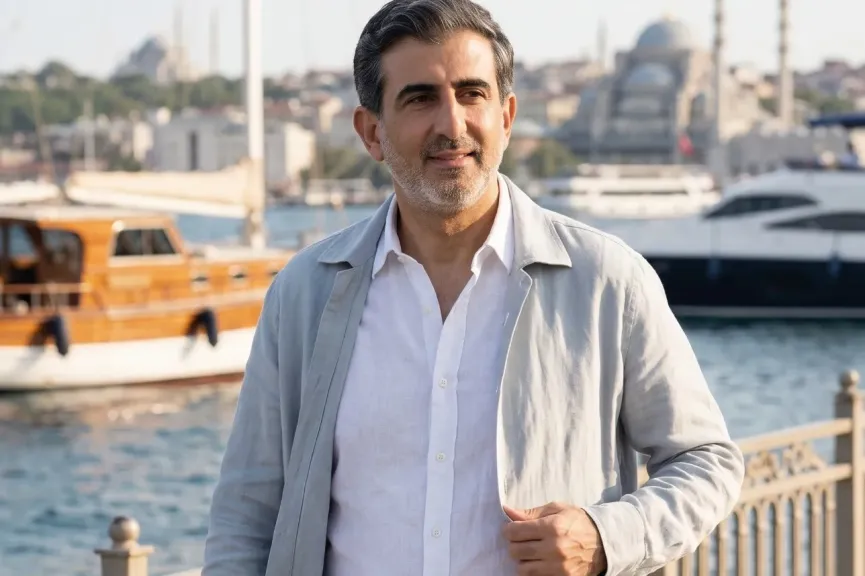
Entrepreneur Samer Choucair said the global sports industry has entered a new phase of risk reassessment, as transparency, governance, ownership structures, and funding sources increasingly influence institutional investment decisions and the valuation of sports assets.
Choucair explained that heightened scrutiny of clubs and sporting entities is no longer linked solely to competitive performance or revenue growth from media rights and sponsorships.
It now also reflects management’s ability to establish clear governance structures, control operational and regulatory risks, and ensure the sustainability of cash flows.
He added that these changes are taking place in a global environment characterized by relatively high interest rates and the possibility of slower economic growth.
This is encouraging investors to reprice sports assets according to stricter criteria and focus on entities with a greater capacity to generate stable returns.
Samer Choucair noted that this dynamic creates opportunities for funds incorporating environmental, social, and governance standards into their investment decisions, particularly in Gulf markets connected to economic-diversification programmes and Saudi Vision 2030.
A shift in the valuation of global sports assets
Samer Choucair said institutional investors no longer view sports assets merely as platforms generating revenue from broadcasting and sponsorship.
They are placing greater emphasis on management quality and the ability to address long-term risks.
Choucair explained that the high valuations assigned to clubs and other sporting entities increasingly need to be supported by more efficient operating models, predictable cash flows, and clearer ownership structures.
He added that this shift reflects the growing maturity of capital markets, with investors demanding higher levels of disclosure and accountability before committing significant capital to the sector.
Choucair emphasized that institutional capital is increasingly moving toward assets capable of demonstrating sustainable value creation without excessive reliance on short-term transactions or concentrated revenue sources.
Greater scrutiny of ownership and financing
Samer Choucair noted that successive waves of minority acquisitions by sovereign wealth funds and private investment firms have increased scrutiny of sports-club ownership structures worldwide.
He explained that major European clubs face growing challenges from higher debt-servicing costs and stricter financial regulations, placing pressure on profit margins and making management efficiency more important in determining value.
Choucair added that although this environment places pressure on current valuations, it also creates opportunities for investors capable of improving governance and increasing operating efficiency after acquiring interests in these assets.
The Gulf and sport as a strategic investment instrument
Samer Choucair said global changes in the sports sector are directly aligned with Gulf investment strategies, particularly as sovereign wealth funds expand their global sports-asset portfolios.
He explained that the Public Investment Fund continues to develop its sports portfolio as part of a broader strategy to strengthen soft power, attract international events, and support the tourism and entertainment sectors.
Choucair added that these investments contribute to the objectives of Saudi Vision 2030, but also require robust systems for managing reputational, governance, and regulatory risks.
He noted that the Saudi economy is benefiting from this dynamic by strengthening its ability to attract foreign direct investment into sports infrastructure, logistics, and related services.
Technology reshapes the sports economy
Samer Choucair explained that capital markets are increasingly distinguishing between sports organizations operating through traditional models and those benefiting from technology, data, and advanced analytics.
He noted that artificial intelligence and the digital economy have become central to improving the efficiency of sports marketing, analysing consumer behaviour, and maximizing revenue.
Choucair added that companies successfully integrating technology into their operations have greater opportunities to improve profit margins, while traditional models face increasing pressure as the cost of capital rises.
Redirecting institutional capital allocation
Samer Choucair said institutional investors currently favour investment structures combining minority ownership with long-term sponsorship agreements, while emphasizing geographic diversification and reduced concentration risk.
He explained that the most attractive opportunities are found in markets combining regulatory stability, consumer growth, and the ability to develop an integrated sports and commercial ecosystem.
Choucair added that investors are becoming more cautious about assets exposed to governance risks or dependent on a limited number of revenue sources as they seek to build portfolios that are more resilient to economic volatility.
Future risks and opportunities
Samer Choucair noted that the principal risks within the sports sector include the possibility of tighter regulations in major leagues, the effect of geopolitical developments on global sponsorship flows, and currency volatility affecting international revenue.
He explained that these challenges create new opportunities in structured financing for sports assets, specialist financial advisory services, and financial-technology platforms supporting transparency and operating efficiency.
Choucair added that stronger governance could result in positive revaluations of sports assets, particularly as global investors increase their exposure to sectors associated with the digital and entertainment economies.
Saudi Arabia and the role of sports assets in economic diversification
Samer Choucair said sports assets have become a complementary element of Saudi Arabia’s economic-diversification strategy because of their connection to economic-city projects, tourism development, and the attraction of global investment.
He explained that domestic and international funds are monitoring the development of governance frameworks across the sector, as greater transparency and accountability can increase the long-term appeal of sports assets.
Choucair added that the success of this strategy will depend on the ability to transform sports investment from capital expenditure alone into an integrated economic ecosystem capable of generating sustainable value.
Future sports-investment trends
Samer Choucair said capital is expected to continue flowing toward sporting entities that demonstrate their ability to meet institutional investors’ expectations regarding disclosure, governance, and financial management.
He explained that the next phase could bring increased merger and acquisition activity focused on improving operating efficiency, alongside the expansion of alternative investment instruments linked to sports assets.
Choucair emphasized that investors will continue seeking opportunities that combine economic growth with the ability to manage long-term risks.
A strategic outlook
Concluding his remarks, Samer Choucair emphasized that investment in sports assets during the next phase will require a selective approach balancing potential returns with governance and sustainability requirements.
He explained that investors combining macroeconomic analysis with a rigorous assessment of management quality and transparency will be better positioned to benefit from the changes taking place across the global sports industry.
Choucair added that the next investment cycle will reward organizations capable of creating sustainable value and balancing commercial growth with institutional discipline across both global and Gulf markets in 2026 and beyond.