
Samer Choucair: The Convergence of Sport and Entertainment Is Repricing Sports Assets Worldwide
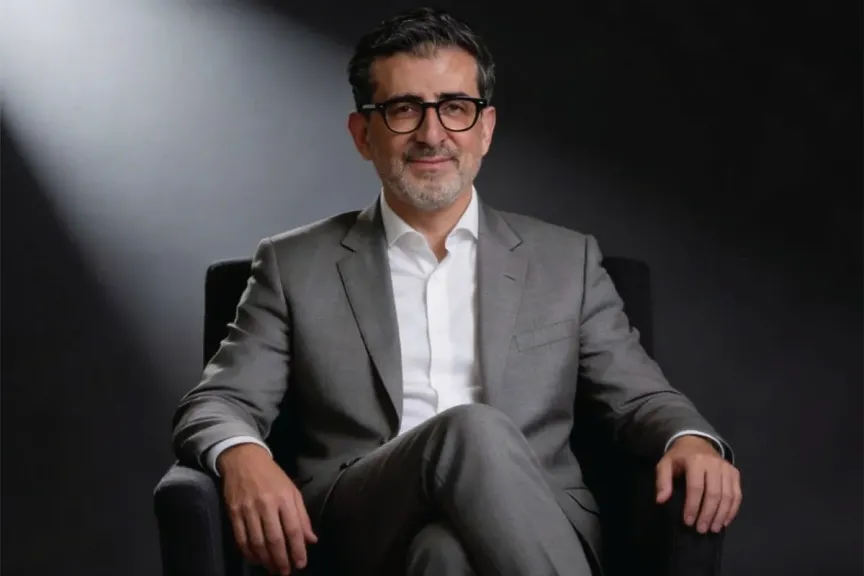
Entrepreneur Samer Choucair said the commercial developments surrounding the 2026 FIFA World Cup final, led by the introduction of a halftime show for the first time in the tournament’s history and the transformation of breaks into advertising and entertainment platforms, reflect a structural shift in the economics of global sport.
Major sporting events have become multi-channel investment assets combining media, sponsorship, live experiences, and social influence.
Samer Choucair explained that the convergence of sport and entertainment has become one of the most important trends being monitored by investment institutions worldwide.
The economic value of sport is no longer determined solely by competition results, but by the ability of the wider sports ecosystem to generate cash flows from broadcasting rights, advertising, digital commerce, and fan-related events.
“Institutional investors no longer view sport as an asset separate from the entertainment sector, but as an integrated economic platform capable of creating value through several revenue sources simultaneously,” Samer Choucair said.
Choucair noted that the 2026 World Cup presented a new model for repricing time within sporting events.
Traditional breaks were transformed into commercial assets that could be developed and monetized, increasing the appeal of broadcasting and sponsorship rights to media companies and advertisers.
Samer Choucair explained that the expansion of entertainment content within major sporting tournaments reflects a change in global audience behaviour.
The complete event experience—including performances, digital content, and direct interaction—has become an essential part of the economic value sought by brands and investors.
He emphasized that this model creates new opportunities for institutional investment funds and sovereign wealth funds to invest in hybrid sports and entertainment assets, including multi-purpose stadiums, broadcasting platforms, audience-analytics technologies, and event-related digital infrastructure.
“The future value of the sports sector will increasingly be concentrated in assets that combine strong audience engagement, digital technologies, and the ability to produce content that can be marketed globally,” Samer Choucair said.
Choucair noted that investors are reassessing sports and media companies using more sophisticated criteria, including revenue sustainability, brand strength, and management’s ability to convert audience engagement into recurring financial returns.
He explained that the rising value of broadcasting rights for major tournaments reflects sport’s transition from a model based on selling traditional media rights toward a more diversified structure integrating media, commerce, and digital experiences.
Within the Gulf region, Samer Choucair said this transformation aligns closely with regional economic-diversification strategies, particularly Saudi Vision 2030, which regards sport and entertainment as sectors capable of attracting foreign investment and developing new industries connected to tourism and events.
“The Gulf region has an opportunity to build integrated sports ecosystems that extend beyond club ownership to include event management, facility development, content production, and the integration of sport with the digital economy,” Samer Choucair said.
Choucair added that hosting global tournaments and developing sports infrastructure create long-term investment opportunities across hospitality, transportation, technology, and entertainment experiences, particularly as global demand for major events continues to grow.
He noted that sovereign wealth funds adopting an integrated approach to sports investment can generate both financial and strategic returns by developing assets connected to national brands and strengthening their countries’ ability to attract tourism and international investment.
Samer Choucair warned that the commercial expansion of sport requires a careful balance between maximizing revenue and preserving the identity of the game and the quality of the fan experience.
Excessive commercialization could become a challenge if it damages the long-term relationship between supporters and tournaments.
“Investment success in sport does not depend solely on increasing revenue,” Samer Choucair said. “It also requires the construction of a sustainable model that preserves the value of the asset and its capacity to grow across generations.”
Choucair explained that future opportunities will be concentrated across several areas, including digital broadcasting rights, artificial intelligence for analysing player performance and audience behaviour, virtual-interaction technologies, intelligent sports facilities, and tourism linked to major events.
He emphasized that institutional investors will continue increasing their exposure to sports and entertainment assets capable of delivering sustainable growth, particularly as global markets seek sectors combining resilience with long-term returns.
Concluding his remarks, Samer Choucair said sport has become a global economic language extending far beyond competition on the field.
The next phase will bring a greater movement of capital toward assets that combine content, technology, and the audience experience.
He added that the convergence of sport and entertainment represents one of the most important investment transformations of the coming decade, as major tournaments evolve from temporary events into economic platforms capable of creating continuous value.