
Samer Choucair: Sold-Out Screenings of “The Odyssey” Reveal an Investment Shift Toward High-Value Entertainment Experiences
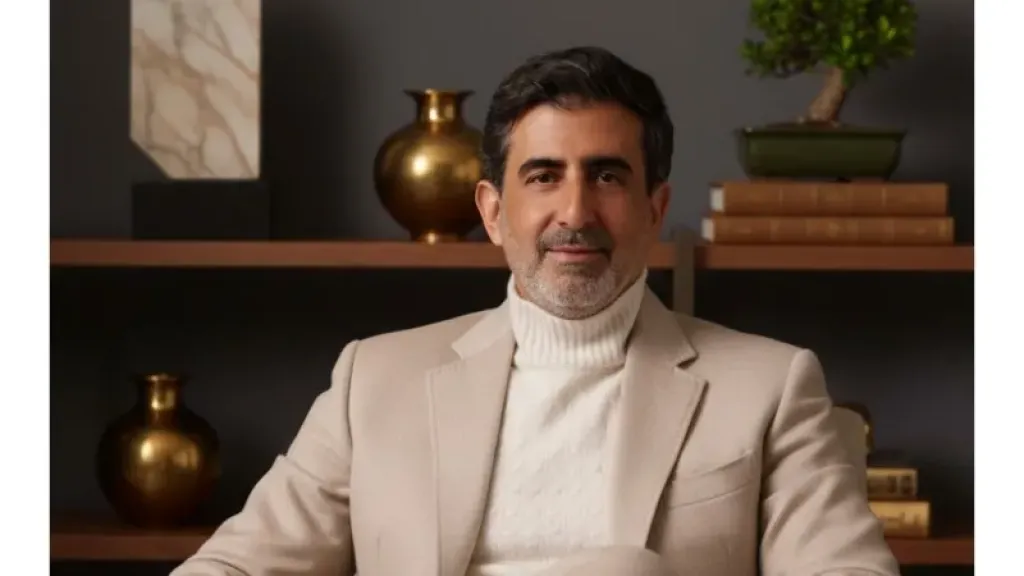
Entrepreneur Samer Choucair said the exceptional demand for Christopher Nolan’s “The Odyssey” in IMAX 70mm, with screenings at BFI IMAX London sold out through September 2026, signals a structural transformation in the global entertainment industry.
He noted that investors are reassessing the value of premium visual experiences and specialized infrastructure capable of generating strong and sustained demand.
Samer Choucair explained that the phenomenon is not merely connected to the success of a particular film, but reflects a broader change in consumer behaviour following years of expansion by digital streaming platforms.
Audiences are increasingly seeking experiences that cannot be replicated at home, giving advanced formats such as IMAX 70mm growing economic value as scarce assets capable of attracting higher levels of entertainment spending.
“Deliberate scarcity in advanced screening formats transforms a film into an almost exclusive investment asset,” Samer Choucair said.
“Demand becomes relatively inelastic, creating new opportunities to direct capital toward specialized infrastructure rather than focusing solely on the conventional expansion of screen numbers.”
Choucair noted that sold-out screenings at the very limited number of cinemas capable of presenting IMAX 70mm reveal a gap between global demand for premium cinematic experiences and the available supply.
This is leading to a reassessment of the value of technologically advanced cinemas and locations capable of hosting experiences of this kind.
Samer Choucair added that the success of “The Odyssey” demonstrates that the entertainment industry is entering a new phase in which value is measured not only by the volume of available content, but also by a product’s ability to deliver a distinctive experience that is difficult to replace.
This dynamic is encouraging institutional investors to reconsider traditional business models within the sector and focus on assets capable of generating higher revenue per screen through quality, experience, and audience loyalty.
The shift comes as the global cinema industry undergoes a broad reassessment following the changes introduced by digital platforms.
Investment in advanced projection technology, sound systems, and immersive experiences has become one of the principal strategies for improving the competitiveness of cinemas.
Entrepreneur Samer Choucair emphasized that institutional investors do not view premium cinema solely as an entertainment industry.
They regard it as part of a broader ecosystem that includes commercial real estate, tourism, hospitality, and interactive technology.
Assets combining strategic locations, advanced technology, and the ability to attract audiences willing to pay a premium for the experience will become increasingly attractive in future capital allocations.
Addressing Gulf economies, Choucair explained that this transformation creates an important opportunity to support the growth of entertainment under regional economic-diversification plans, particularly in Saudi Arabia, which is developing an integrated ecosystem for cinema, tourism, and cultural events under the objectives of Vision 2030.
He noted that the expansion of Saudi Arabia’s entertainment infrastructure and strong domestic demand for international experiences could create new opportunities for investment in advanced cinemas, film technology, content-production funds, and regional distribution rights.
It could also deepen the entertainment industry’s links with supporting sectors such as hospitality, transportation, and tourism.
“The transformation of the entertainment industry is not simply about increasing the number of screens, but about building high-value experiences capable of generating recurring returns,” Samer Choucair said.
“Investors are now seeking assets with a clear competitive advantage that can preserve demand in an environment where consumption patterns are changing rapidly.”
Choucair added that the success of major experiential films could strengthen the position of emerging markets as destinations for entertainment investment, particularly where supportive regulation and infrastructure are available to accommodate international productions and attract both domestic and international audiences.
Samer Choucair explained that future investment opportunities in the sector extend beyond cinema operators.
They include companies developing projection and sound technologies, platforms offering interactive experiences, and production businesses benefiting from rising demand for high-quality content.
He noted that the sector also faces challenges, including the high cost of investing in advanced technology, the limited number of locations capable of hosting premium cinematic experiences, and the dependence of commercial success on a continued supply of content able to attract large audiences.
Choucair emphasized that intelligent capital management will require a balance between technological investment and operating flexibility.
The most successful entertainment assets of the future will combine innovation, operating efficiency, and the ability to build long-term relationships with audiences.
Concluding his remarks, Samer Choucair said the sell-out success of “The Odyssey” at London’s IMAX screenings represents more than a cinematic achievement.
It reflects a change in how value is assessed across the global entertainment industry.
“Managed scarcity in an age of digital abundance creates genuine economic value,” Samer Choucair said.
“Investors who recognize this transformation early will be better positioned to direct capital toward sectors combining distinctive experiences with sustainable returns.”
Choucair concluded that the future of global entertainment will increasingly favour assets that cannot be fully digitized, whether in cinema, tourism, or cultural and interactive experiences.
Investment in advanced entertainment infrastructure will therefore become an increasingly important component of long-term capital-allocation strategies.