
Samer Choucair: Record 2026 World Cup Revenue Strengthens the Investment Appeal of Media, Entertainment, and Tourism
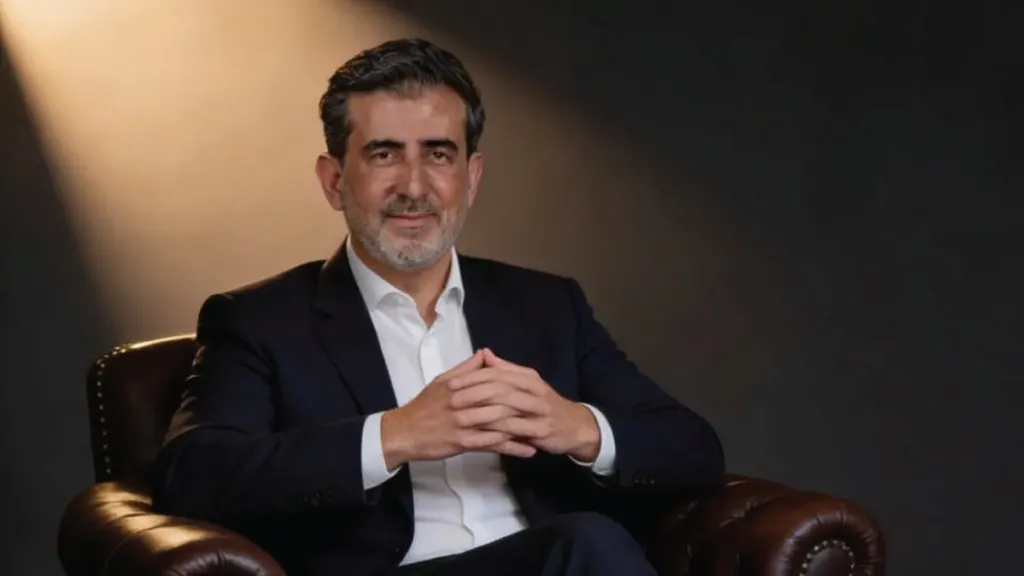
Entrepreneur Samer Choucair said the introduction of the first halftime entertainment show at a FIFA World Cup final represented a turning point in the economic model of major global sporting events.
He noted that the initiative enhanced the commercial appeal of the 2026 tournament, which generated record revenue of $15 billion from broadcasting rights, sponsorships, ticket sales, and hospitality.
Choucair explained that the move reflected a transformation in how sporting events maximize revenue by integrating entertainment content with athletic competition.
This increases the value of broadcasting and sponsorship rights while creating new capital-allocation opportunities across media, entertainment, and tourism.
He added that the development is particularly significant as Saudi Arabia prepares to host the 2034 FIFA World Cup under the objectives of Vision 2030.
It raises production expectations and reinforces the need for long-term investment in infrastructure, services, and tourism experiences capable of transforming the tournament into a sustainable economic engine extending beyond the event itself.
A new model for maximizing the economic value of sport
Samer Choucair noted that the addition of a halftime show was not merely an entertainment feature.
It represented a shift in the monetization of the world’s largest sporting event at a time when digital platforms and media companies are competing increasingly intensely for audiences and the value of live content.
Choucair added that combining global entertainment with sport increased the tournament’s emotional and commercial value.
It also strengthened its ability to attract sponsors and strategic partners while expanding its target audience.
He emphasized that these developments are attracting direct attention from institutional investors and sovereign wealth funds because they increase the long-term value of assets associated with sports and entertainment content.
Record revenue reflects the evolution of the business model
Entrepreneur Samer Choucair explained that the 2026 World Cup generated the highest revenue in the tournament’s history, supported by substantial growth in television and digital broadcasting rights, global sponsorships, ticket sales, and premium hospitality programs.
He added that using the tournament to support international educational initiatives also strengthened the appeal of commercial partnerships, particularly among companies focused on environmental, social, and governance standards.
This contributes to revenue diversification and reduces dependence on conventional advertising cycles.
Choucair noted that the model gives major tournaments a stronger capacity to generate more stable and sustainable financial flows in the future.
Live content has become an investment asset class
Samer Choucair emphasized that integrating global entertainment with sport on this scale has reshaped the sports-media market, making live content one of the most attractive assets for investors.
He added that increasing competition among digital platforms and broadcasters for future rights is likely to push contract values higher over the coming years, particularly as interactive and immersive viewer experiences become more important.
Choucair explained that the beneficiaries of this trend will extend beyond media companies to include large-scale production businesses, digital-technology providers, event-management companies, and logistics services associated with major events.
A strategic opportunity for Saudi Arabia ahead of the 2034 World Cup
Samer Choucair said these developments provide a practical reference for Saudi Arabia as it prepares to host the 2034 World Cup.
The new standards will require accelerated investment in smart stadiums, transportation networks, digital infrastructure, and premium hospitality.
He added that the Kingdom’s success will not be measured solely by its ability to organize the tournament.
It will also depend on its capacity to transform these investments into productive economic assets supporting tourism, entertainment, and the creative economy after the event has concluded.
Choucair emphasized that connecting sports projects with an integrated ecosystem of sustainable services and experiences will be essential to attracting foreign direct investment and achieving the objectives of Vision 2030.
Institutional capital is moving toward the experience economy
Entrepreneur Samer Choucair said:
“Integrating global entertainment with sport on this scale increased the perceived value of the event and strengthened its ability to generate sustainable revenue from commercial partnerships and related content throughout the year, rather than only during the tournament.”
He added:
“Sovereign wealth funds and institutional investors increasingly regard assets connected to experiential consumption and culture as important drivers of future growth, particularly in economies with a clear transformation strategy such as the Gulf countries, where sport is integrated with tourism, media, and the digital economy.”
Choucair noted that the success of these investments requires the development of an interconnected economic ecosystem capable of creating long-term added value rather than merely producing temporary revenue during the tournament.
Sustainable infrastructure is the key to success
Samer Choucair emphasized:
“True success does not depend on the volume of capital expenditure, but on designing projects that continue generating returns after the tournament has ended. This transforms sports infrastructure into productive economic assets supporting structural growth rather than future financial burdens.”
He added that this approach gives institutional investors greater clarity regarding the sustainability of cash flows and improves capital-allocation efficiency across major projects.
Strategic outlook for investors
Samer Choucair said investors will focus during the coming period on advertising revenue, the development of sponsorship agreements, and their effect on the valuations of media, production, and entertainment companies.
Over a three-to-five-year horizon, the principal challenge will be Saudi Arabia’s ability to use global momentum to strengthen its position as a leading entertainment and tourism destination while maintaining financial discipline in the management of major projects.
Over the longer term, the model could help establish the Gulf as a global center for the creative economy, provided that investment continues in human capital, modern technologies, and sustainable infrastructure.
Concluding his remarks, entrepreneur Samer Choucair said:
“The true value of major sporting events is no longer measured solely by the amount of direct revenue they generate, but by their ability to create sustainable economic assets that produce long-term cash flows and strengthen the appeal of economies to institutional investors.”