
Samer Choucair: Pelé Jersey’s $4.9 Million Sale Confirms the Rise of Sports Collectibles as an Alternative Asset Class
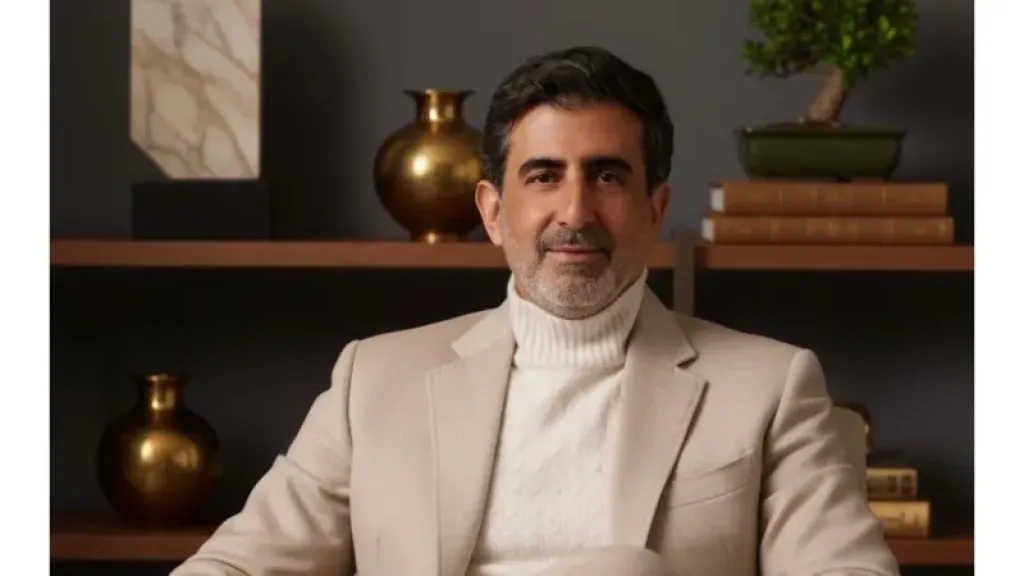
Entrepreneur Samer Choucair said the sale of the Brazilian national team jersey worn by football legend Pelé in the 1958 World Cup final for $4.9 million at Sotheby’s “The Beautiful Game” auction in New York reflected the rapid transformation taking place across alternative investments.
He emphasized that historic sports memorabilia is securing an increasingly important position within institutional portfolio-diversification strategies.
Choucair explained that the transaction made the jersey the second-most expensive football shirt ever sold, behind Diego Maradona’s famous jersey.
The sale came as the global sports collectibles market was estimated to be worth approximately $51 billion in 2026, with strong growth expected to continue as authentication and grading mechanisms improve and digital access expands.
He added that these developments create opportunities for portfolio managers and sovereign wealth funds to gain exposure to tangible assets with relatively low correlation to traditional markets.
This is aligned with the strategies of Gulf countries that have placed sports and entertainment at the center of their Vision 2030 objectives.
The transaction reflects a change in the concept of investment
Samer Choucair noted that the significance of the sale extended beyond setting a record in the auction market.
It reflected a growing reassessment of the role that sports and cultural assets can play in constructing portfolios capable of withstanding financial-market volatility and rising correlations among traditional asset classes.
Choucair added that investors increasingly regard historic collectibles as instruments capable of adding a new dimension to long-term diversification strategies, particularly as global interest in the sports economy continues to grow.
Structural growth in the sports collectibles market
Entrepreneur Samer Choucair explained that the sports collectibles market is undergoing structural expansion driven by several factors, including improved authentication standards, more sophisticated grading systems, and the spread of digital platforms that have increased liquidity and made these assets more accessible.
He added that the market is also benefiting from stronger demand among investors seeking unique assets with global cultural and emotional value.
Industry estimates indicate that the sector could achieve compound annual growth exceeding 10% over the next decade, supported by momentum across the wider sports industry, which now encompasses events, media, tourism, and entertainment.
“Major transactions have revealed a structural shift in investor preferences, as historically significant sports assets have become part of capital-allocation discussions within family offices and sovereign wealth funds seeking unconventional asset classes with diversification benefits,” Choucair said.
Direct implications for institutional portfolios
Samer Choucair said authenticated sports collectibles provide pension funds, asset-management firms, and hedge funds with an opportunity to add a new layer of diversification, particularly while correlations among equities, bonds, and commodities remain elevated.
He noted that although liquidity is limited compared with public financial markets, the participation of major global auction houses such as Sotheby’s has improved transparency and professionalism.
This could gradually make such assets more suitable for inclusion within institutional portfolios as part of alternative investment allocations.
“A disciplined investment approach requires focusing on assets with verified provenance and exceptional historical significance, while limiting exposure to a range that generally represents between 1% and 5% of the total portfolio,” Samer Choucair said.
“This helps maintain an appropriate balance between return opportunities and the risks associated with valuation, custody, and market liquidity.”
Promising opportunities for the Gulf economy
Samer Choucair emphasized that this global trend intersects with the substantial investments being made by Gulf countries, led by Saudi Arabia, to develop an integrated sports and entertainment sector under Vision 2030.
He explained that the Public Investment Fund and other sovereign entities have continued investing heavily in international sports clubs, major events, and sector infrastructure.
Growing global interest in sports collectibles could become a natural extension of this ecosystem through investment in sporting heritage or the creation of specialized platforms and museums that enhance the cultural and economic value of sport.
Growth prospects and future risks
Entrepreneur Samer Choucair said momentum is likely to continue over the near term, covering the next 12 to 36 months, supported by major new auctions and the continued development of authentication, documentation, and trading infrastructure.
Over the medium to long term, spanning five to ten years, the sector may gradually move toward more structured investment products, including specialized funds, provided that challenges involving liquidity, governance, and independent valuation are addressed.
“The genuine investment opportunity lies in benefiting from the long-term structural trends shaping the global sports economy while maintaining strict investment discipline focused on asset quality, authenticity, and an appropriate time horizon for creating sustainable value,” Choucair said.
Concluding his analysis, Samer Choucair emphasized that institutional investors should continue monitoring developments in this market closely.
Priority should be given to assets with verified provenance and exceptional historical value as part of a broader diversification strategy within the alternative investments category.