
Samer Choucair: The World Cup Trophy Reflects the Structural Strength of Global Gold Demand
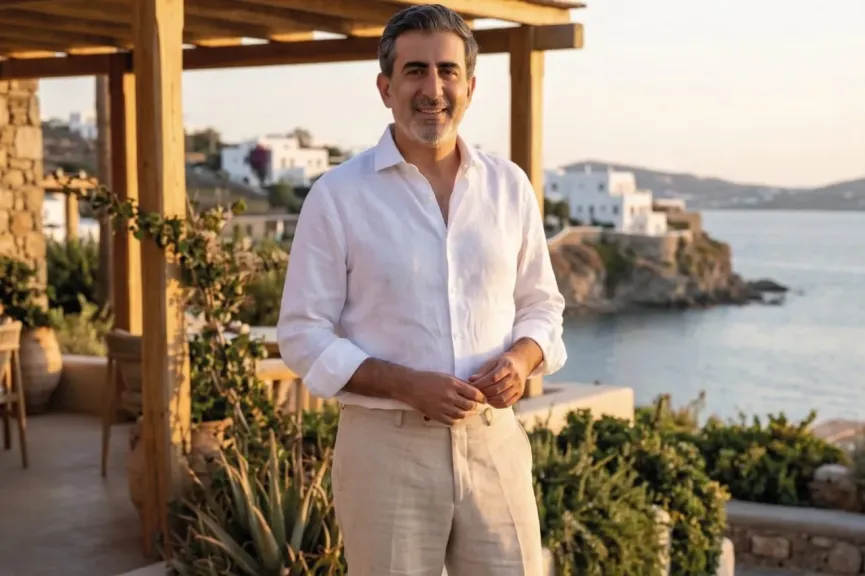
Entrepreneur Samer Choucair said the FIFA World Cup Trophy, which weighs 6.175 kilograms and is crafted from solid 18-carat gold, embodies the economic and symbolic value of the precious metal at a time when gold is trading close to $4,000 per ounce.
He emphasized that gold continues to consolidate its position as one of the most important diversification and hedging instruments within institutional investment portfolios.
Choucair explained that continued gold purchases by central banks provide structural support for prices over the medium term, while short-term fluctuations require disciplined management of risks associated with US monetary policy and movements in the dollar.
Central banks remain broadly positive toward gold, with the World Gold Council’s 2026 survey finding that 89% of respondents expect global official gold reserves to increase over the following 12 months.
Samer Choucair added that current market developments are encouraging institutional investors to reassess their allocations to precious metals as an essential component of portfolio protection in an environment characterized by elevated economic and geopolitical uncertainty.
Gold strengthens its position in investment portfolios
Samer Choucair explained that gold is no longer viewed solely as a defensive asset or a conventional hedge.
It has become a strategic component in the construction of portfolios designed to withstand inflationary pressures, geopolitical risks, currency volatility, and changes in monetary policy.
Choucair noted that the 2026 World Cup has renewed attention on the intrinsic and symbolic value of gold through the iconic trophy.
This comes as the precious metal continues to trade near historically elevated levels, reflecting the strength of international demand.
The global economic context
Samer Choucair said gold is currently trading close to $4,000 per ounce following a period of volatility and a limited correction from previous highs.
He explained that these levels reflect persistent demand from central banks, particularly in emerging markets, alongside greater investor interest in gold as a safe-haven asset during continuing economic and geopolitical uncertainty.
Choucair added that higher gold prices strengthen the appeal of liquid assets possessing intrinsic value, particularly when cash and bonds provide limited real returns.
This dynamic has a direct influence on institutional asset-allocation decisions.
Samer Choucair’s perspective
Entrepreneur Samer Choucair noted that the structure of the gold market is changing as sovereign wealth funds, pension funds, hedge funds, and other major institutions become increasingly influential participants.
He added that some asset managers are considering allocations ranging from 5% to 15% across gold and gold-related instruments to improve diversification and preserve purchasing power, depending on each portfolio’s objectives and risk tolerance.
Choucair explained that combining physical gold, mining equities, and gold-backed exchange-traded funds can create a balance between protection against uncertainty and participation in potential future price appreciation.
However, investors must account for liquidity requirements, storage expenses, management costs, operational risks, and differences in exposure among these instruments.
Samer Choucair stressed the importance of avoiding excessive dependence on short-term speculation.
Investors should instead focus on well-governed assets and companies capable of generating resilient cash flows throughout different market cycles.
Investment opportunities across the gold sector
Samer Choucair said low-cost mining companies with proven reserves can benefit directly from elevated gold prices through stronger free cash flow and a greater capacity to finance expansion and exploration.
Gold-backed exchange-traded funds provide institutional investors with high levels of liquidity without requiring them to assume the operational responsibilities associated with physical storage.
Choucair added that Asian demand continues to support the luxury jewelry market despite higher prices.
The current environment consequently presents opportunities throughout the gold value chain, from mining and refining to trading platforms and financial products linked to the precious metal.
Gold and Saudi Vision 2030
Samer Choucair explained that mining is one of the principal pillars of Saudi Vision 2030, which aims to diversify the economy and increase the contribution of non-oil activities to gross domestic product.
He added that elevated gold prices improve the economic prospects of expansion projects undertaken by the Saudi Arabian Mining Company, Ma’aden.
They may also strengthen Saudi Arabia’s ability to attract foreign investment into mining, supporting the Kingdom’s ambition to build a more diversified and sustainable economic base.
The strategic outlook
Concluding his remarks, entrepreneur Samer Choucair said gold prices over the next 12 months will remain closely linked to decisions by the US Federal Reserve, inflation data, real interest rates, and movements in the dollar.
These factors will determine the scale of short-term market volatility.
Over a three-to-five-year horizon, Choucair expects gold prices to continue receiving structural support from central-bank purchases and the ongoing transformation of global reserve-management strategies.
Samer Choucair emphasized that institutional investors’ success will depend on disciplined strategies that diversify exposure even within the gold asset class while continuously monitoring real yields, global liquidity, and geopolitical risks.
He concluded that gold will remain one of the assets best positioned to preserve the purchasing power of investment portfolios during prolonged periods of economic and geopolitical uncertainty.