
Samer Choucair: Spain’s World Cup Triumph Creates Selective Tactical Opportunities in European Tourism Stocks
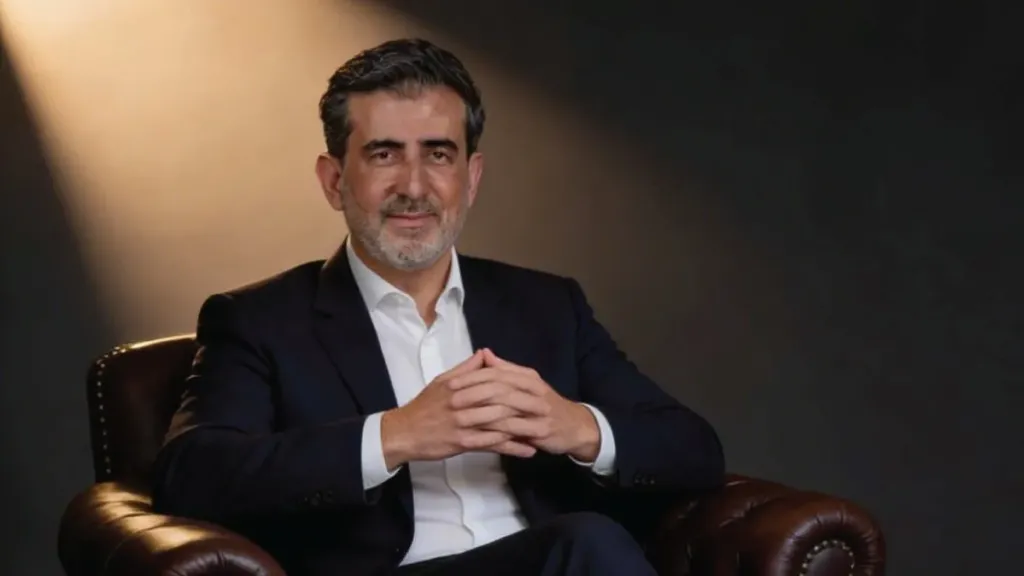
Entrepreneur Samer Choucair said Spain’s World Cup victory created short-term implications for investor sentiment toward Spanish assets, particularly in the tourism and consumer-services sectors. Spain defeated Argentina in the 2026 final on July 19, securing its second World Cup title.
Choucair explained that some historical market analyses suggest the stock markets of World Cup-winning countries can outperform global equities during the month following the final. However, academic research has shown that the effect of victories on financial markets is considerably weaker and less consistent than the negative reaction associated with defeats.
He added that these findings encourage institutional strategists to favor selective allocations supported by genuine economic fundamentals while remaining cautious about potential pressure on emerging-market assets, particularly those linked to Argentina.
Investor attention to major sporting tournaments
Samer Choucair explained that portfolio managers and sovereign wealth funds closely monitor the outcomes of major sporting tournaments, not because they are expected to transform long-term economic growth directly, but because they can temporarily influence consumer behavior, investor sentiment, and capital flows toward particular sectors.
Choucair noted that Spain’s victory could provide a short-term sentiment boost to Spanish companies operating in hospitality, travel, leisure, and consumer services.
By contrast, Argentina’s defeat may encourage investors to reassess risks surrounding certain emerging-market assets, although economic fundamentals will remain far more influential than the result of a single sporting event.
The economic context
Samer Choucair noted that Spain depends heavily on tourism, which accounted for 12.6% of the country’s gross domestic product and supported more than 2.7 million jobs in 2024. The country also welcomed a record 96.8 million international visitors during 2025.
Choucair added that major sporting victories can strengthen a country’s international image and potentially increase its appeal to future visitors.
However, he emphasized that this effect is usually temporary. Sustainable economic gains depend on the tourism sector’s ability to convert positive global attention into actual visitor numbers, spending, bookings, and repeat demand amid intensifying international competition.
Market effects and capital flows
Samer Choucair said historical analyses have suggested that the equity markets of World Cup-winning nations may outperform global markets during the period immediately following a victory.
However, academic research provides stronger evidence for the effect of defeats. One prominent study found that elimination-stage World Cup losses were followed by an average abnormal decline of approximately 0.5% in the losing country’s stock market on the next trading day, while the positive response to victories was substantially weaker.
Choucair explained that these patterns could provide temporary support for Spain’s IBEX index, particularly among tourism-related and consumer-facing companies.
Argentina’s financial assets could experience short-lived sentiment pressure, potentially affecting equities, sovereign-bond spreads, or investment flows. Nevertheless, inflation, fiscal policy, currency stability, debt sustainability, and wider macroeconomic conditions will remain the principal drivers of Argentine asset performance.
Investment opportunities and risks
Samer Choucair emphasized that the development could create limited tactical opportunities in shares of Spanish companies connected to tourism, hospitality, aviation, leisure, and consumer spending.
These businesses may benefit from increased international visibility and a temporary improvement in sentiment surrounding Spain as a destination.
However, Choucair explained that the temporary nature of these potential gains requires investors to establish clear risk limits and exit strategies to avoid excessive exposure to subsequent market corrections.
He added that any weakness in Argentine markets could provide selective portfolio-rebalancing opportunities for emerging-market investors, but only through a disciplined approach based on valuations, liquidity, and fundamental risk analysis.
Samer Choucair’s perspective
Samer Choucair said the outcomes of major sporting tournaments can generate temporary fluctuations in market sentiment.
Institutional investors should therefore maintain rigorous risk-management frameworks and avoid allowing emotional factors to influence long-term strategic capital-allocation decisions.
Choucair added that sovereign wealth funds and family offices in the Gulf can use their growing interest in global sports and entertainment to strengthen portfolio diversification, particularly as countries increasingly treat tourism and the experience economy as important sources of sustainable growth.
He emphasized that the strongest investment opportunities remain concentrated in projects supported by sound economic fundamentals, including tourism infrastructure, hospitality platforms, digital entertainment services, sports technology, and destination development.
Such opportunities are more durable than short-term market positions based solely on sporting results that may not be repeated.
The strategic outlook
Concluding his remarks, Samer Choucair said investors should monitor Spain’s official tourism data and the performance of hospitality and travel companies over the next 12 months to determine whether any positive effect from the World Cup victory proves sustainable.
Over a three-to-five-year horizon, investment in sports and entertainment is expected to receive increasing attention as an alternative investment category, particularly as governments use major events to advance tourism and economic-diversification objectives.
Entrepreneur Samer Choucair emphasized that long-term investment strategies should remain focused on structural developments, particularly digitalization and sustainability, as these will be more important drivers of durable institutional returns than temporary movements in sentiment following sporting victories.