
Samer Choucair: 2026 World Cup Final Tests the Business Models of Global Betting Companies
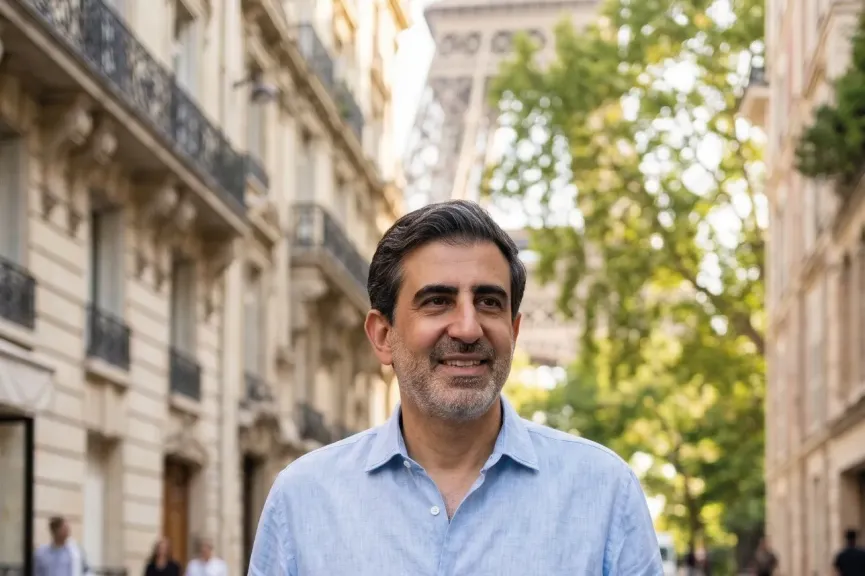
Investment entrepreneur Samer Choucair stated that the 1.5 million dollar bet Canadian artist Drake placed on Argentina defeating Spain in the 2026 World Cup final via the Stake platform was not merely a publicity event, but revealed the unprecedented scale of liquidity flowing into the global sports betting market.
Choucair explained that projections showing total betting volume on the tournament surpassing 50 billion dollars reflect strong consumer demand for digital entertainment, opening the door for listed companies to grow revenue during and after the tournament.
He added that institutional investors are now directing attention toward companies with broad geographic reach and advanced technological capabilities, affirming that the best strategy involves building selective positions in platforms with strong regulatory compliance and sustainable economic models, while tracking the growing role of artificial intelligence in improving operational efficiency.
A rapidly growing market
Samer Choucair explained that the timing of this bet coincided with a phase of structural growth in the global sports betting sector, noting that the market is estimated at around 125 billion dollars in 2026, with projections showing it rising to more than 325 billion dollars by 2035, at a compound annual growth rate of 11.24 percent.
Choucair added that these indicators have drawn growing interest from institutional investment funds and asset managers, who no longer view major sporting events merely as entertainment occasions, but as a practical test of business models in an industry combining technology, digital consumption and shifting regulation.
He noted that investment institutions are closely watching the effect of major tournaments on short term capital flows, as well as their reflection on the long term valuations of companies with sustainable growth models and improvable profit margins.
Regulation drives industry transformation
Samer Choucair noted that the sports betting sector underwent a structural shift in recent years due to expanding regulatory frameworks, particularly in the United States, where new legislation helped increase competition and accelerate innovation in pricing and risk management models.
Choucair added that North America hosting the 2026 World Cup strengthened expectations from financial institutions like Macquarie and Deutsche Bank of a notable rise in betting volume compared with the 2022 Qatar edition, where betting value exceeded 35 billion dollars.
He explained that this increase supports platform revenue through higher total amounts wagered, despite continued pressure on margins from promotional incentives and rising taxes, affirming that major tournaments represent a real test of betting companies' ability to convert temporary spikes in activity into recurring, stable long term revenue.
High-profile bets strengthen platform economics
Samer Choucair said that partnerships between betting platforms and public figures and celebrities have become one of the most important digital marketing tools, as they accelerate user acquisition and raise brand awareness, particularly among younger age groups who prefer integrated digital services.
Choucair added that this dynamic positively reflected on unit economics, as customer acquisition costs declined and user lifetime value rose, affirming that high-profile public bets helped lower customer acquisition costs and strengthen lifetime value, supporting the margins of platforms with strong technology infrastructure.
He noted that this reality gave institutional investors an opportunity to achieve higher returns by investing in companies that succeeded in combining influencer marketing with strict regulatory compliance.
Where is institutional capital heading?
Samer Choucair explained that hedge funds, private equity funds and family offices now face multiple strategic choices for building exposure to the iGaming sector.
Choucair noted that a broad segment of investors preferred large listed companies such as DraftKings and Flutter Entertainment thanks to their wide geographic reach and multiple licenses, while other investors turned toward supporting sectors, chiefly digital payment solutions, data analytics, and AI technologies used to improve betting odds and detect fraud.
He added that investors should focus on companies with clear competitive advantages within regulated markets, with the ability to adapt quickly to regulatory and technological change, affirming that this approach limits the risks of narrow geographic concentration or excessive reliance on short term marketing campaigns.
Technology and regulation: opportunities and challenges
Samer Choucair said the sector holds promising opportunities to raise operational efficiency through artificial intelligence, whether by personalizing offers for users or improving risk management, alongside opportunities to expand into emerging markets as regulatory frameworks develop.
Conversely, Choucair explained that the most notable risks involve potential tightening of restrictions on advertising and social responsibility requirements, alongside volatility in consumer spending amid economic conditions, as well as strong competition that could pressure profit margins, adding that companies that moved early to invest in compliance and transparency technology managed to build a competitive advantage that is difficult to replicate.
He noted that massive Saudi investment in sports and entertainment under Vision 2030 has created indirect opportunities for global companies specialized in event management technology and audience data analytics, even as direct betting activities remain subject to strict regulatory restrictions within the Kingdom.
The strategic outlook
Samer Choucair concluded by affirming that the next 12 months could see major platforms continue benefiting from the momentum generated by the World Cup, with the possibility of higher trading volumes in related company stocks during peak periods.
He added that over the medium term, spanning 3 to 5 years, merger and acquisition activity is expected to accelerate as major companies seek economies of scale and expand their presence in emerging markets.
Over the long term, through 2030 and beyond, he explained that integrating blockchain technology to strengthen transparency, alongside deploying artificial intelligence to improve user experience and risk management, could reshape the industry's structure entirely.
The investment entrepreneur concluded by saying he would recommend institutional investors build diversified portfolios combining direct exposure to leading platforms with investment in enabling technologies, while continuously monitoring global regulatory developments and conducting careful assessment of growth rate sustainability amid intensifying competition, ensuring they capture structural opportunities while limiting short term volatility.