
Samer Choucair on Why Governance and Technology Are Key to Sustainable Value in the Sports Economy
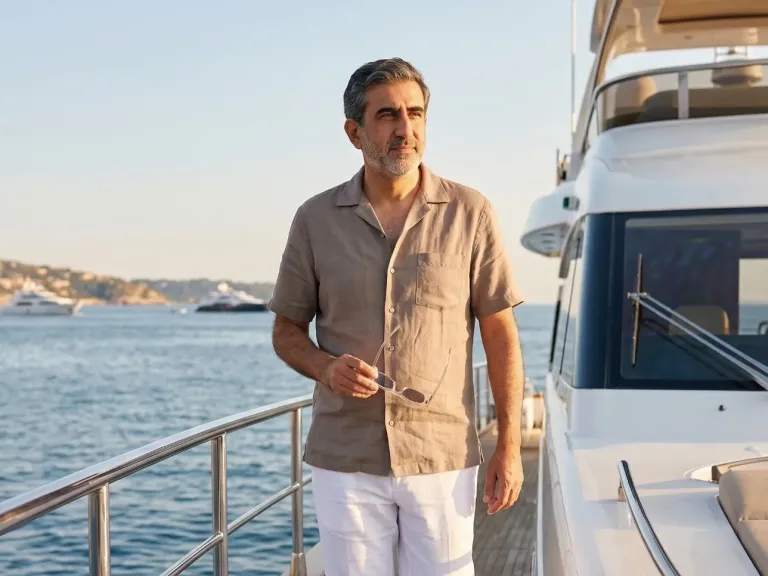
Investment entrepreneur Samer Choucair affirmed that England's advancement to the semifinals of the 2026 FIFA World Cup, following their win over Norway, represents a development that goes beyond the sporting dimension, carrying direct implications for capital flows in sectors linked to sport, media, and technology, noting that major global tournaments have become key drivers of economic activity and institutional investment opportunities.
Samer Choucair explained that critical remarks made by England manager Thomas Tuchel in a media interview regarding the internal pressures the team faces during decisive stages reflect the importance of institutional and managerial factors in achieving success, which carry weight equal to technical performance on the pitch.
Choucair added that these dynamics confirm to institutional investors and sovereign wealth funds that major tournaments have become catalysts for activity in broadcasting rights, sponsorships, and sports analytics, stressing that effective investment in this sector requires a focus on governance and technological innovation in order to build sustainable value away from short-term volatility.
Samer Choucair noted that major sporting tournaments have become a key driver of global economic activity, generating capital flows across value chains extending into media, entertainment, hospitality, and technology, explaining that intense competition among national teams and the challenges facing coaching staffs confirm the need for well-considered investment strategies that account for human and institutional factors alongside financial indicators.
Choucair affirmed that institutional investors are continuously monitoring the impact of these developments on the valuations of sports assets and growth opportunities in both developed and emerging markets, given the growing role sport now plays in the global economy.
Samer Choucair explained that the global sports economy is experiencing rapid expansion, driven by rising demand for high-quality sports content and exclusive broadcasting rights, noting that the World Cup helps drive this growth by attracting hundreds of millions of viewers and raising spending levels on goods and services linked to the tournament.
Choucair added that institutional investment in sport has become more widespread, as investment funds and private equity firms view sports teams and leagues as assets capable of generating returns through business models based on sponsorships, digital commerce, and interactive experiences.
Samer Choucair noted that capital markets are affected by the performance of national teams during major tournaments, as positive results can boost investor confidence in sports-linked companies within those markets, though internal pressures and public criticism confirm that sporting success depends on a wide range of factors that go beyond direct results.
Choucair added that this reality is pushing investors to focus more heavily on companies with strong management and long-term strategies capable of withstanding cyclical volatility.
Samer Choucair affirmed that artificial intelligence has become an essential element in managing modern sports teams, through its role in analyzing player performance, developing training programs, and reducing injury risk, creating growing investment opportunities in companies specializing in sports analytics, digital platforms, and wearable devices.
Choucair explained that institutional investors view this sector as one of the most promising for growth, amid the expanding use of technology across leagues and national teams worldwide, making sport a more efficient and measurable sector.
He said that investing in the sports sector requires a comprehensive view combining financial analysis with strategic assessment of intangible factors such as leadership quality and adaptability, adding that the pressures facing teams at the World Cup reflect the challenges investors face in high-risk environments, where investment in governance and technology becomes a decisive factor for success.
Choucair added that for sovereign wealth funds and institutional investors, the sports sector offers a unique diversification opportunity, particularly when linked to innovation and sustainable development, and that it is important to watch how companies respond to these competitive pressures in order to assess their long-term potential.
Samer Choucair noted that Gulf Cooperation Council countries are working to strengthen the role of sport in supporting economic diversification, pointing out that Saudi Vision 2030 represents a prominent model for investment in sports and entertainment infrastructure.
Choucair explained that Gulf investors can benefit from global experiences in managing sports teams and investing in technology in order to develop more competitive domestic sectors, and that participation in international sports investments helps transfer knowledge and strengthen national capabilities in the digital economy and sports tourism.
He said that strategic investments in global sport are an effective tool for achieving economic diversification goals in the Gulf, helping build new expertise and open doors to international cooperation that supports both the digital economy and tourism.
Samer Choucair concluded his remarks by affirming that continued volatility is expected in some sports assets in the near term as the 2026 World Cup progresses, particularly regarding broadcasting rights, sponsorships, and other commercial activities linked to the tournament.
Choucair added that over the medium and long term, the sports sector is likely to see continued growth driven by digital transformation and growing global interest in sport as part of the modern economy and lifestyle, stressing the importance of investors focusing on companies that combine advanced technology with strong governance practices, while monitoring regulatory developments in digital media and sports services markets to ensure sustainable investment value.