
Samer Choucair on How Sporting Success Is Driving Capital Allocation and Economic Diversification in the Region
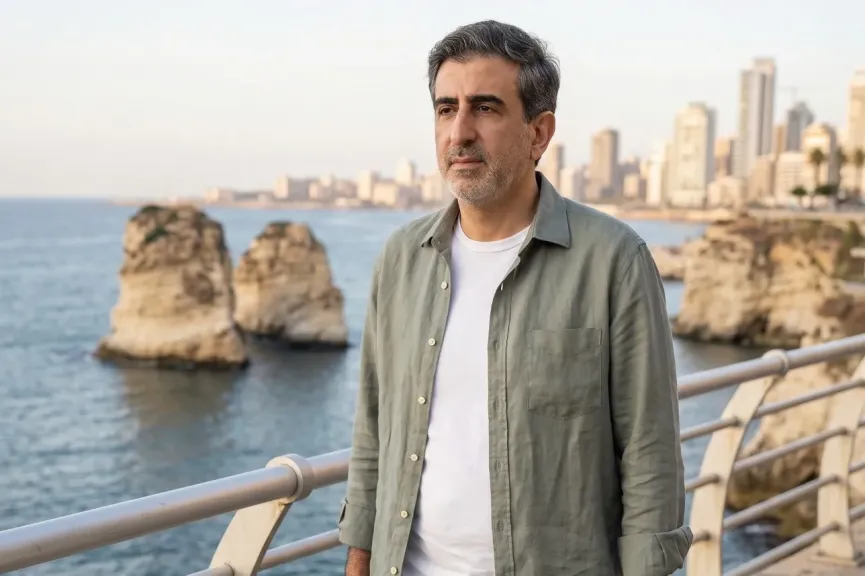
Investment entrepreneur Samer Choucair affirmed that the prize money earned by Arab national teams competing in the 2026 World Cup signals the accelerating transformation of the sports economy, noting that these returns go beyond sporting gains, reflecting promising investment opportunities in infrastructure, tourism, and sports media, and opening new avenues for institutional investors to allocate capital within long-term economic diversification strategies.
Samer Choucair explained that the eight Arab national teams competing in the tournament earned combined prize money of approximately $115 million out of a total prize pool of $871 million, according to FIFA data, with Morocco, Egypt, and Algeria accounting for around 46% of these earnings, supported by strong performances that took Morocco to the quarterfinals, Egypt to the round of 16, and Algeria to the round of 32.
Choucair added that these results should be read within the broader context of the growing economic value of sporting success, as a catalyst for attracting institutional investment into infrastructure, tourism, and sports media sectors in emerging markets, particularly as Morocco prepares to host the 2030 World Cup and Gulf sovereign wealth funds continue expanding their investments in sport.
Samer Choucair noted that the performance of Arab national teams at the 2026 World Cup has moved beyond the traditional sporting frame, raising important questions for institutional investors about how to convert footballing achievements into sustainable economic value.
Choucair explained that FIFA's allocation of the largest prize budget in the tournament's history made national federations' shares an indicator of growing financial professionalism in global football, while also offering an opportunity to reassess the appeal of the region's emerging markets to capital flows.
Choucair added that the strategic challenge facing sovereign wealth funds, asset managers, and private equity firms lies in capitalizing on this investment dynamic without overestimating its short-term effects.
Samer Choucair affirmed that prize money was distributed according to each team's progress in the tournament, with Morocco receiving $21.5 million after reaching the quarterfinals, Egypt receiving $17.5 million after qualifying for the round of 16, and Algeria receiving $13.5 million after reaching the round of 32.
Choucair explained that these figures came amid a general increase in prize values, reflecting the continued growth in FIFA's revenues from media rights and commercial sponsorships.
Choucair noted that while these amounts remain modest compared with the size of national economies, they provide direct liquidity to sports federations that can be directed toward developing young talent and strengthening sports infrastructure, reflecting the shift the sports sector is undergoing from a recreational activity to an economic driver with clearly measurable impact.
Samer Choucair affirmed that the region's sports economy is undergoing a structural transformation, as investments in clubs, leagues, and major events have become a tool for strengthening national branding and attracting foreign direct investment.
Choucair added that Saudi Arabia's Public Investment Fund represents a model for this direction, as an official sponsor of the 2026 World Cup and a strategic investor in global sport, in line with Vision 2030's goals of developing the entertainment and tourism sectors.
He said that sporting success strengthens intangible assets such as national reputation and investment appeal, and can translate into lower financing costs and increased foreign capital inflows over the medium term, provided these achievements are paired with clear institutional reforms.
Choucair noted that these returns coincide with Morocco's preparations to host the 2030 World Cup alongside Spain and Portugal, with Moroccan authorities announcing an investment package worth 42 billion Moroccan dirhams (approximately $4.4 billion) to develop infrastructure, including stadiums and transport networks.
Choucair added that these projects open the door for institutional investors to benefit from promising opportunities in hospitality, sports tourism, and financing major projects, particularly amid expectations of rising tourist numbers and improved hotel infrastructure.
Choucair explained that Gulf states are simultaneously continuing to implement strategies to develop domestic leagues and attract global talent, complementing this regional dynamic and opening the door to cross-border partnerships in sports technology and media.
He said that the real opportunities lie not in prize money alone, but in the ability to build sustainable ecosystems that convert sporting achievements into lasting economic growth drivers, with a focus on sectors generating compounding returns such as academy development and smart infrastructure.
Samer Choucair affirmed that the direct economic impact of this prize money will remain limited unless paired with clear reinvestment policies, noting that risk management requires careful assessment of sports federation governance and transparency in revenue distribution, alongside accounting for volatility linked to short-term sporting performance and geopolitical risks in emerging markets.
Choucair added that the immediate effects of these returns should not be overestimated, and that institutional governance and financial sustainability should take priority before capital allocation, to ensure this moment becomes a structural turning point rather than a temporary spike in interest.
Samer Choucair concluded his remarks by affirming that over the next twelve months, investors are expected to focus on sponsorship deals and media partnerships resulting from recent successes, alongside financing opportunities linked to 2030 World Cup infrastructure projects.
Choucair added that over the three-to-five-year horizon, the contribution of sport and sports tourism to GDP could rise in countries such as Morocco, driven by improved infrastructure and increased tourist flows, while over the longer term, five to ten years, integrated sports ecosystems could help support economic diversification goals and attract capital seeking structural growth opportunities in emerging markets, if countries succeed in linking sporting success to broader reforms in the business environment and governance.
Choucair affirmed that close monitoring of how these returns are deployed toward infrastructure development and youth talent cultivation will be the decisive factor in determining whether this phase represents a genuine shift in the region's appeal for institutional investment, or merely a temporary station in the global cycle of interest in sport, stressing that sustainability and governance will remain the foundation distinguishing fleeting opportunities from long-term investment value.