
Samer Choucair on Why Sports Brand Value Is Measured by Resilience, Not Results
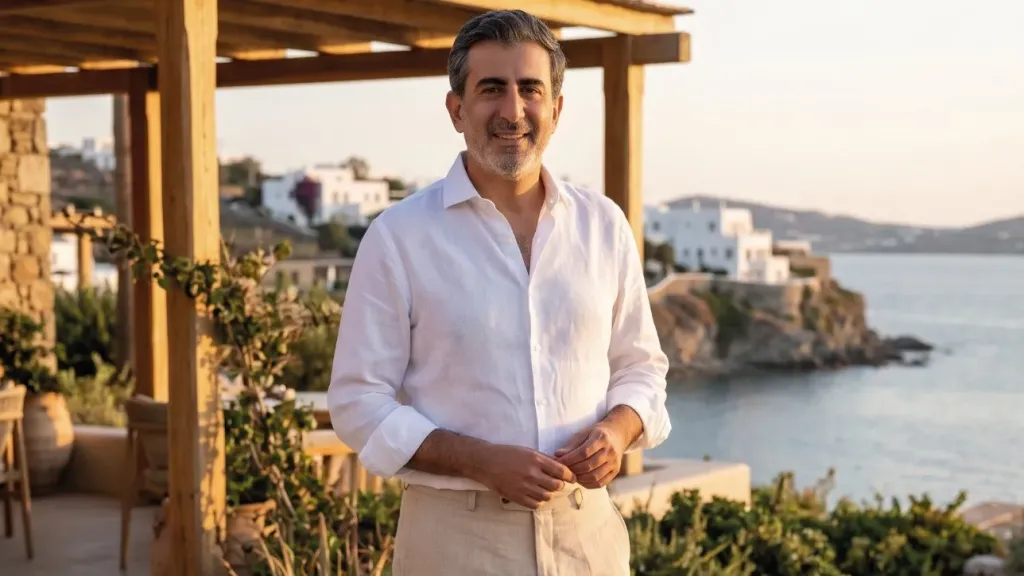
Investment entrepreneur Samer Choucair affirmed that the support Argentina coach Lionel Scaloni showed for star player Lionel Messi after he missed two penalty kicks during the 2026 World Cup reflects the resilience of the commercial value held by major sports brands, noting that such moments confirm investment in sport no longer depends on individual performance in a single event, but on the ability to build long-term value that generates sustainable revenue streams.
Samer Choucair explained that Messi represents a global model for converting sporting legacy and personal fame into economic value through sponsorships, private investments, and partial ownership in various ventures, noting that institutional investors view such models as assets with greater resilience against short-term volatility.
Choucair added that incidents tied to technical performance, such as missed penalties, remind investors that the value of sports brands rests on consistency and continuity rather than temporary results, opening the door to growing investment opportunities in the sport and entertainment sector, which is growing at a pace exceeding global economic growth rates.
Samer Choucair noted that institutional investors and sovereign funds are closely watching the transformation of the sports sector into an independent asset class, explaining that the rising value of sponsorship deals and commercial rights has made the performance of global stars such as Lionel Messi an indicator of broader trends in capital allocation toward the entertainment and digital economy.
Choucair affirmed that continued confidence in Messi despite technical setbacks reflects the strength of the "player as brand" model, one that has come to attract capital from private investment funds and global companies thanks to its ability to generate economic value that extends beyond sporting competition.
Samer Choucair explained that the global sports market is experiencing rapid growth driven by digitization and expanding commercial sponsorships, noting that 2026 World Cup revenues exceeded initial projections thanks to growing commercial partnerships, strengthening sport's position as a growing investment sector.
Choucair added that Messi represents a prominent case study in this field, having successfully converted his fame into tangible economic value through his stake in Inter Miami, alongside investments in hotels and sports technology through his company, Play Time HoldCo.
He said that short-term setbacks such as missed penalties do not diminish long-term brand value, but rather test the resilience of institutional confidence in it, a principle that also applies to investments in emerging markets and consumer sectors.
Choucair noted that this perspective aligns with investment trends in 2026, as investors increasingly favor assets that generate recurring revenue streams from sponsorships and digital content over those dependent on immediate or volatile results.
Samer Choucair affirmed that Scaloni's support for Messi strengthens confidence in the player's ability to continue performing, which positively affects ticket and merchandise sales linked to the Argentine national team and the clubs he represents, while also reflecting the ability of strong sports brands to maintain their commercial appeal despite technical fluctuations.
Choucair added that this stability also strengthens the ability of sports markets to attract foreign investment, particularly amid growing competition among global leagues to attract players, commercial rights, and sector-related investments.
Choucair noted that global sponsorship companies, including Adidas, which holds a lifetime contract with Messi, have maintained a significant degree of stability despite fluctuations in sporting performance, and that this model also supports the growth of the digital entertainment sector, which continues to see rising revenue from streaming platforms and content linked to sports stars.
He said that capital allocation toward sport should focus on players capable of building a legacy that extends beyond the pitch, particularly as artificial intelligence plays a growing role in analyzing the commercial value of brands.
Samer Choucair affirmed that these developments carry particular importance for Gulf economies, amid the expanding investments of sovereign funds such as Saudi Arabia's Public Investment Fund in European clubs and major sporting events, aimed at supporting tourism and entertainment and achieving economic diversification goals.
Choucair added that strategic investments in the sports sector can draw on the Messi model to build global brands that generate sustainable economic value and support long-term development plans.
He said that investing in sport as an asset requires assessing brands' ability to withstand volatility, much as is done in financial markets, making cases like Messi's attractive opportunities for sovereign funds seeking long-term returns.
Choucair noted that as the later stages of the 2026 World Cup approach, institutional investors should watch how sporting stability translates into growth in commercial revenue and related investments, explaining that the next twelve months could see an increase in mergers and acquisitions linked to strong sports brands.
Choucair added that over the three-to-five-year horizon, the sports sector is expected to see greater growth in investments directed toward sports technology and entertainment-related real estate, supported by continued global demand for sports content and entertainment experiences.
Samer Choucair concluded his remarks by affirming that the true value of sports brands lies in their structural strength and ability to generate sustainable long-term returns, stressing that sport has become an attractive investment option within diversified portfolios amid global economic transformations, and that focusing on brands capable of enduring will remain one of the most important criteria for capital allocation in the coming years.