
Samer Choucair on What the Anthony Hopkins Music Deal Reveals About Creative IP as a Long-Term Asset
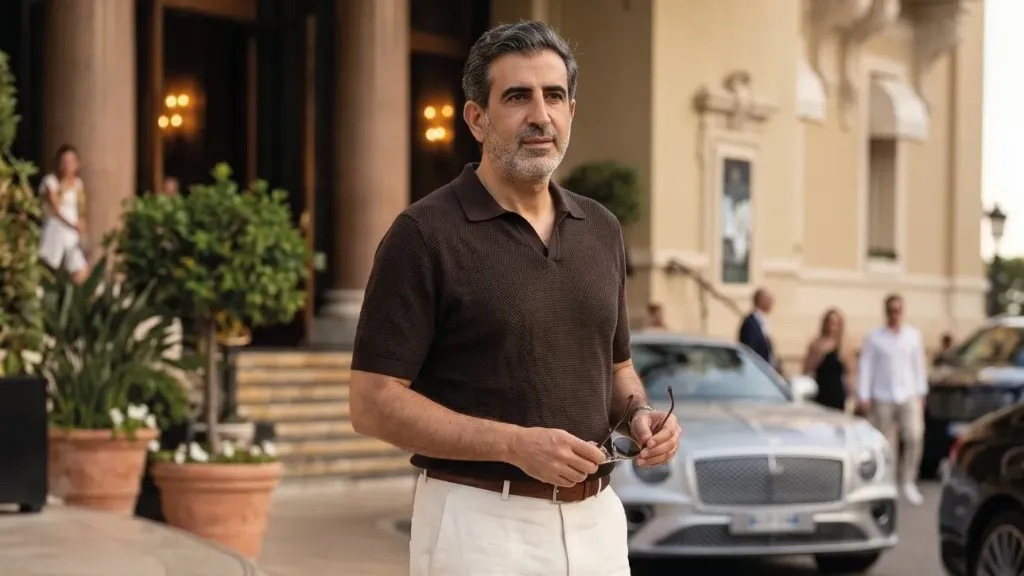
Investment entrepreneur Samer Choucair said that the signing by two-time Oscar-winning actor Anthony Hopkins of an exclusive recording agreement with Decca Classics to release his new album "Life Is a Dream," featuring orchestral works composed over six decades, alongside the release of his first single "Bracken Road" in July 2026, is not merely an artistic event, but reflects a growing investment trend confirming the sustainable economic value of creative intellectual property.
Choucair added that this deal comes at a time when the global recorded music industry generated $31.7 billion in revenue during 2025, growing 6.4% for the eleventh consecutive year, driven by continued growth in paid digital streaming alongside a clear recovery in physical music releases, underscoring the ability of creative assets to generate stable cash flows over long periods.
Choucair explained that these indicators are drawing growing interest from institutional investors and sovereign wealth funds, as intellectual property with narrative and emotional depth has become an asset class capable of generating sustainable returns for decades, noting that this development coincides with the massive investments Saudi Arabia is pouring into cultural and entertainment infrastructure under Vision 2030's goals, opening the door to strategic partnerships and capital flows toward alternative creative assets.
The Music Industry Proves Its Ability to Adapt to the Digital Economy
Samer Choucair noted that the global music industry has continued to demonstrate its ability to adapt to digital transformation without losing the value of high-quality content, explaining that digital streaming now accounts for more than half of global revenue, while classical and orchestral music has retained its position as a specialized segment characterized by higher average spending per consumer, in addition to holding significant opportunities in licensing for film, advertising, and luxury content.
Choucair added that Anthony Hopkins, at 88 years old, signing with Decca Classics, and releasing his works with the Philharmonia Orchestra under Gustavo Dudamel, offers a clear example of how creativity accumulated over decades can convert into a monetizable economic asset generating long-term returns.
Choucair affirmed that this model reflects a broader shift in institutional investor sentiment toward alternative assets linked to human creativity and emotional experiences, which offer a relatively higher degree of protection against the volatility of traditional markets.
Strong Global Growth Is Boosting the Appeal of Music Assets
Samer Choucair explained that data from the International Federation of the Phonographic Industry showed the global recorded music sector achieved growth of 6.4% during 2025, with revenue rising to $31.7 billion, while paid subscriptions accounted for around 52.4% of total revenue, and vinyl record sales grew 13.7% for the nineteenth consecutive year.
Choucair added that classical and orchestral music, despite its limited share of the global market, continues to hold exceptional appeal among high-spending segments, while also offering distinctive opportunities in commercial, film, and advertising licensing.
Choucair noted that Anthony Hopkins's work carries additional value because it is tied to a genuine human experience and a long artistic career, making it well-suited to growing global demand for cultural content that goes beyond fast digital consumption and retains its value over the long term.
Intellectual Property Has Become One of the Most Important Investment Assets
Samer Choucair said that the music industry has an exceptional ability to convert individual creativity into recurring financial flows across multiple channels, including streaming services, live performances, licensing rights, and use across various media.
Choucair added that Anthony Hopkins's experience, having begun learning piano at age four and composed music for local plays since the 1950s, reflects how talent and creativity can continue generating economic value even in advanced stages of life.
Choucair affirmed that institutional investors have already reassessed their asset allocation policies, moving more heavily toward alternative investment categories with stable cash flows and low correlation to economic cycles, noting that high-quality musical intellectual property rights now offer a balanced mix of financial stability and cultural value, particularly when backed by professional production and world-class talent.
Vision 2030 Is Strengthening the Saudi Cultural Economy
Samer Choucair noted that Saudi Vision 2030 has placed the culture and entertainment sectors among the pillars of economic diversification, explaining that the General Entertainment Authority has allocated significant investment, while the Public Investment Fund leads the development of massive strategic projects such as Qiddiya, alongside its investments in global companies working in gaming and live entertainment.
Choucair added that estimates point to this sector's ability to create hundreds of thousands of jobs, while tangibly raising its contribution to GDP by 2030.
Choucair explained that cooperation with global recording companies and international orchestras could serve as a strong lever for developing the local cultural scene, whether through hosting global performances within new facilities, producing joint content, or direct investment in intellectual property rights that align with the growing interest of Saudi and Gulf audiences in refined cultural experiences.
Choucair affirmed that investment in cultural and entertainment infrastructure does not only improve quality of life, but also helps attract foreign direct investment and build national creative industries capable of competing and exporting.
Capital Allocation Is Moving Toward the Creative Economy
Samer Choucair said that institutional investors, family offices, and sovereign wealth funds are now tracking developments in the creative sector as one of the most important paths for investment diversification, particularly amid growing global interest in music catalogs that provide recurring financial flows from digital streaming, licensing rights, and live performances.
Choucair added that the Anthony Hopkins deal represents a clear indicator of continued global demand for content that combines historical value with emotional depth.
Choucair explained that capital allocation policies are increasingly moving toward opportunities that generate financial returns alongside supporting the building of sustainable knowledge and cultural economies, affirming that Gulf markets, chief among them Saudi Arabia, offer a mix of economic stability, growth, and modern infrastructure, making them among the most attractive environments for investment in this sector.
Challenges to Consider
Samer Choucair noted that investment in the creative sector, despite its promising opportunities, is not without challenges, most notably market concentration, fluctuations in content demand, and the need to understand the cultural characteristics of local markets when expanding geographically.
Choucair added that investing in intellectual property rights requires specialized expertise in long-term valuation and management processes to ensure sustainable returns and reduce operational risk.
The Future of Cultural and Investment Partnerships
Samer Choucair concluded by affirming that continued rising global demand for authentic cultural experiences, alongside the major expansion of entertainment infrastructure within the region, will drive increased capital flows toward strategic partnerships between Gulf institutions and global entities working in music and cultural production.
Choucair added that the Kingdom, under Vision 2030, has a genuine opportunity to present a balanced model for the creative economy that combines investment discipline with the preservation of cultural identity, saying that success on this path will remain contingent on adopting a long-term vision focused on building national capabilities and choosing partnerships that generate added value for the national economy, while maintaining a balance between achieving financial returns and supporting comprehensive development goals.