
Samer Choucair: U.S. World Cup Exit Reinforces That Sports Investment Is Bigger Than Match Results
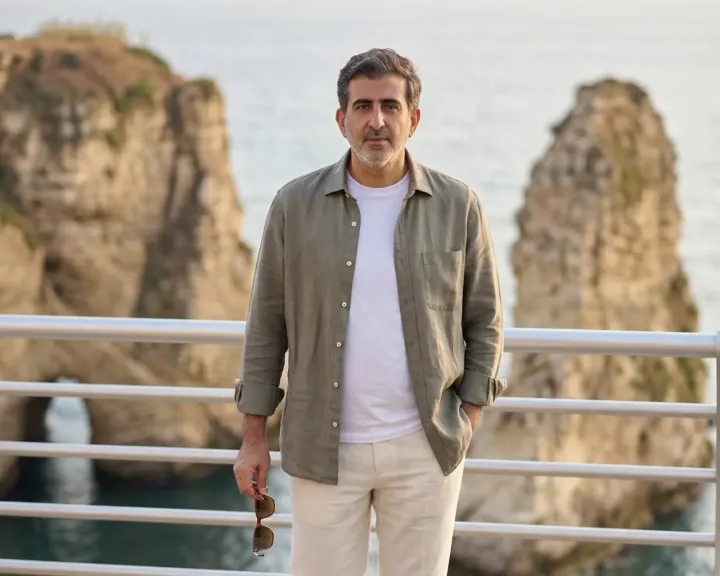
Investment leader Samer Choucair said that developments surrounding the 2026 FIFA World Cup, including emotionally charged moments such as the elimination of major national teams, demonstrate that the value of sports investment should not be measured solely by match results, but by the industry's ability to build integrated economic ecosystems spanning infrastructure, tourism, media, technology, and entertainment.
Choucair explained that major sporting tournaments have evolved into global economic platforms that attract substantial investment in broadcasting rights, commercial sponsorships, and fan-focused services. He noted that the 2026 FIFA World Cup clearly illustrates how sport has become a strategic industry extending far beyond competition on the field.
He pointed out that institutional investors and sovereign wealth funds increasingly view sports as a distinct asset class capable of generating long-term returns, particularly when investments are linked to smart cities, hospitality, transportation, and digital technologies rather than being limited to clubs or individual athletes.
Choucair added that international experience has shown that creating sustainable value in sports requires a long-term vision centered on talent development, stronger governance, and diversified revenue streams. While tournament results may fluctuate from one competition to the next, he said, investments in infrastructure and strong sports brands continue to generate enduring value.
He highlighted Saudi Arabia as a leading example of redefining the relationship between sports and economic development under Vision 2030, where sports investments have become part of a broader strategy aimed at diversifying the economy, expanding tourism, and strengthening the Kingdom's global profile through major international events.
Choucair emphasized that Saudi Arabia's hosting of the 2034 FIFA World Cup will create significant investment opportunities across multiple sectors, including sports infrastructure, tourism, sports technology, and digital services. He stressed that lasting success will depend on transforming major sporting events into sustainable economic ecosystems that continue generating value long after the final match has been played.
He also noted that the coming years will likely see growing investor interest in sports performance analytics, digital fan engagement, and sports media platforms, describing these segments as high-growth opportunities that align closely with the broader global digital transformation.
Choucair concluded by emphasizing that smart investment in sports requires balancing ambition with long-term financial returns while maintaining a strong focus on governance and sustainability.
"The future of the sports industry will not be defined solely by championship-winning teams," he said. "It will be shaped by the institutions capable of building integrated sports economies that create lasting financial and social value."