
Samer Choucair: Investment at the Intersection of Sports and Luxury Fashion Is Redefining the Value of Strategic Partnerships
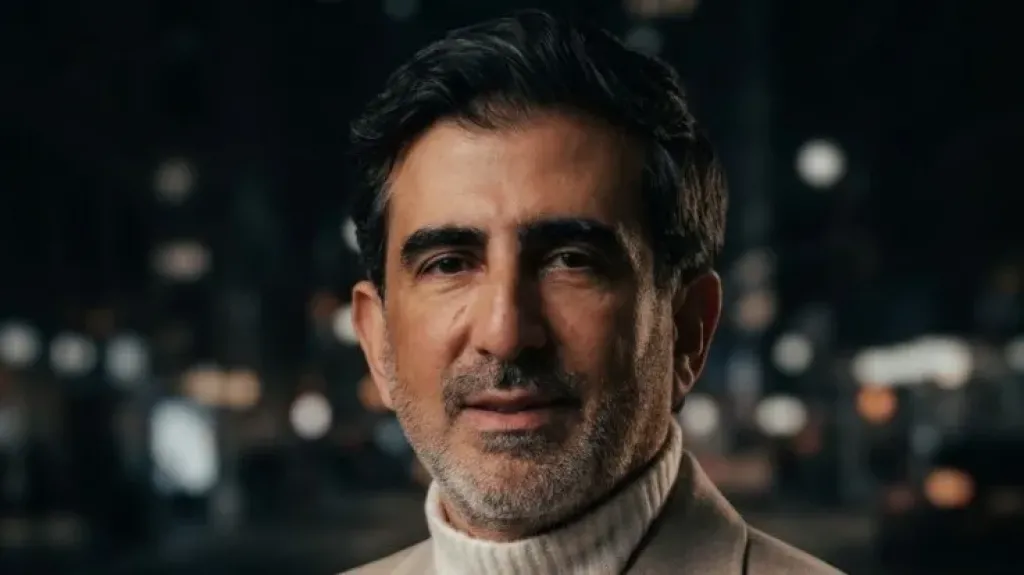
Investment leader Samer Choucair affirmed that the growing convergence between global sports and luxury brands represents one of the most significant emerging investment trends, noting that major sporting events have evolved far beyond traditional sponsorship and advertising platforms. Instead, they have become strategic assets capable of creating long-term economic value through immersive experiences that connect brands with culture, lifestyle, and consumer identity.
Choucair explained that the transformation of the paddock area at Silverstone Circuit during the British Formula One Grand Prix into a high-end fashion showcase reflects a fundamental shift in how luxury brands utilize global sporting platforms. Rather than relying solely on conventional brand visibility, companies are increasingly focused on creating integrated experiences that combine elite competition, luxury, fan engagement, and emotional connections with consumers.
“Strategic partnerships in global sports are no longer simply marketing tools,” Choucair said. “They have become an effective way to allocate capital toward strengthening brand equity and expanding corporate presence in high-spending markets. Brands that successfully transform sponsorship into a complete consumer experience are better positioned to generate sustainable returns and reinforce their competitive advantage.”
Choucair noted that the Formula One sponsorship market has experienced rapid expansion in recent years, driven by the championship’s growing commercial value and its expanding global audience. Racing circuits and major sporting events, he said, have evolved into platforms that integrate media, entertainment, commerce, hospitality, and live experiences.
He explained that this growth reflects changing consumer behavior, with affluent audiences increasingly seeking experiences that extend beyond the traditional product offering. As a result, premium brands are directing more investment toward events that provide direct engagement with consumers while fostering long-term brand loyalty.
Choucair added that the convergence of luxury fashion, premium retail, and high-value sports such as Formula One has created a new investment model built around the intersection of multiple industries, including entertainment, hospitality, tourism, digital media, and technology.
“Today’s investment opportunities no longer arise solely from individual industries,” Choucair said. “They emerge where industries intersect. When global sports converge with luxury fashion, commerce, and digital experiences, entirely new economic ecosystems are created ones capable of attracting capital while generating diversified revenue streams.”
He emphasized that institutional investors, sovereign wealth funds, and family offices should evaluate these partnerships through a broader strategic lens that extends beyond traditional measures of media exposure. Instead, they should assess an event’s ability to create measurable economic value, strengthen brand loyalty, and support long-term geographic expansion.
According to Choucair, measuring the return on investment of modern sports activations requires analyzing several factors, including the quality of the fan experience, levels of digital engagement, a brand’s ability to convert attention into sales, and how closely the partnership aligns with long-term strategic objectives.
He noted that numerous industries stand to benefit from this evolution, including luxury fashion and retail, event management companies, developers of sports and entertainment infrastructure, and technology firms providing digital personalization solutions and audience analytics.
Choucair added that established global brands are increasingly adopting “premiumization” strategies designed to elevate perceptions of quality and exclusivity by associating themselves with prestigious international platforms while maintaining their core customer base.
“Success in today’s economy depends on a company’s ability to create experiences rather than simply sell products,” Choucair said. “Modern consumers increasingly buy into a brand’s story and values as much as the product itself, which is why major sporting platforms have become an essential component of building long-term intangible assets.”
Regarding investment opportunities across the Gulf region and Saudi Arabia, Choucair said that the growing convergence of sports, entertainment, and luxury retail aligns closely with the objectives of Saudi Vision 2030, which seeks to diversify the economy, strengthen tourism, and attract international investment.
He explained that hosting major sporting events—including Formula One races—contributes to the development of integrated economic ecosystems encompassing hospitality, transportation, retail, digital services, and entertainment, making these events catalysts for sustainable economic activity rather than temporary sporting occasions.
“The Gulf has a strategic opportunity to build globally recognized platforms that unite sports, culture, and lifestyle,” Choucair said. “Investment in these ecosystems generates more than direct financial returns—it enhances the region’s appeal as a global destination for tourism, business, and premium experiences.”
Choucair emphasized that realizing this potential requires long-term planning, strong public-private partnerships, and continued investment in supporting infrastructure and services to ensure that economic value extends well beyond the conclusion of individual events.
He also cautioned that investors should remain mindful of risks, including rising sponsorship and activation costs, potential market saturation, and fluctuations in consumer spending caused by changing global economic conditions. Selecting partnerships capable of delivering measurable and sustainable value, he said, will remain essential.
“Successful investors do not chase short-term trends,” Choucair said. “They identify platforms capable of sustained growth and long-term value creation. Within sports and entertainment, competitive advantage will belong to those who successfully combine exceptional experiences, strong governance, and disciplined capital allocation.”
Choucair concluded by noting that the future will bring even greater integration between sports, commerce, and technology, with increasing reliance on digital experiences, data analytics, and artificial intelligence to deepen fan engagement and maximize brand returns.
“The future economy will reward organizations that understand how cultural and sporting platforms can evolve into genuine economic assets,” Choucair said. “Investment at the intersection of sports, luxury fashion, and entertainment represents a strategic opportunity to build lasting value while supporting economic diversification across the Gulf and strengthening the region’s position as a global destination for world-class experiences.”