
Samer Choucair: World Cup 2026 Logistics Highlight the Investment Potential of Smart Mobility and Infrastructure
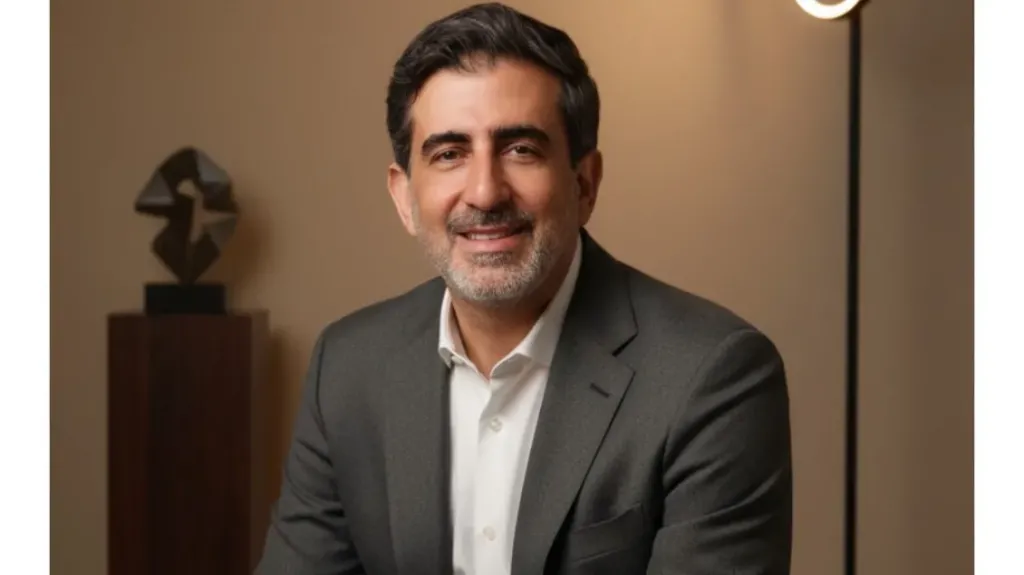
Investment expert Samer Choucair said the logistical preparations surrounding the 2026 FIFA World Cup in New Jersey provide a practical example of how major global sporting events can become long-term economic and investment catalysts that extend well beyond the tournament itself. He explained that the transportation network surrounding MetLife Stadium demonstrates the importance of building integrated mobility systems capable of meeting surging demand while creating sustainable economic value.
Choucair noted that the movement of fans using a combination of taxis, public transportation, shuttle buses, walking routes, and rental vehicles highlights both the challenges and opportunities associated with managing large crowds in major metropolitan areas. He emphasized that the true investment opportunity lies not in any single mode of transportation, but in integrated mobility ecosystems that seamlessly connect multiple transport options and improve the overall user experience.
Samer Choucair said that New York and New Jersey's role in hosting several World Cup matches, including the tournament final at MetLife Stadium, illustrates how global sporting events generate broad economic benefits by stimulating transportation, hospitality, tourism, and commercial services. He explained that while these events create exceptional short-term demand for infrastructure, they also underscore the importance of making investments that continue generating value long after the tournament concludes.
He added that capital allocated to transportation networks and supporting infrastructure should focus on assets with sustainable, everyday utility rather than projects designed solely to meet temporary event-related demand. According to Choucair, the most successful infrastructure investments are those that continue serving both residents and visitors while maintaining long-term economic viability.
Choucair emphasized that investments in multimodal transportation systems, digital mobility platforms, and smart infrastructure present attractive opportunities for institutional investors as cities around the world continue investing in more efficient and sustainable urban transportation. He noted that the transition toward smart mobility is creating new opportunities for companies combining technology, fleet management, and operational services.
"The combination of traditional taxis and public transportation demonstrates that the greatest value lies in integrated mobility platforms connecting multiple transportation modes rather than in any individual service," Samer Choucair said. "These are the types of strategic investments capable of generating stable cash flows well beyond the conclusion of major sporting events."
He added that transportation is only one of several sectors benefiting from global sporting events, with positive economic effects extending to hospitality, tourism, commercial real estate, advertising, and consumer services. Areas located near major transportation hubs, he noted, are particularly well positioned to benefit from increased demand and improved surrounding infrastructure.
Choucair stressed that investors must distinguish between assets benefiting from temporary event-driven momentum and those capable of delivering sustainable long-term growth. He added that public-private partnerships remain one of the most effective models for distributing risk while financing major infrastructure projects that continue serving communities for decades.
"Sectors capable of transforming temporary demand into permanent operational capacity are the ones most likely to generate superior risk-adjusted returns for institutional investors," Samer Choucair said.
He explained that competition within the transportation sector is increasingly favoring companies capable of offering integrated digital platforms, modern payment systems, and efficient fleet management solutions. Operators with scalable business models and operational flexibility, he said, are likely to benefit the most from the ongoing transformation of urban mobility.
Choucair also noted that New Jersey's experience offers valuable lessons for emerging markets and Gulf countries that continue investing heavily in tourism, sports, and entertainment. He explained that the success of major development projects depends not only on hosting global events but also on building integrated transportation, infrastructure, and service ecosystems capable of generating lasting economic value.
"Countries pursuing long-term development strategies such as Saudi Vision 2030 have a unique opportunity to apply these lessons through strategic investments focused on integrated mobility and sustainable hospitality, strengthening the attractiveness of the Saudi and wider Gulf economies for global institutional investors," Samer Choucair said.
He added that Saudi Arabia continues to develop advanced transportation, tourism, and entertainment infrastructure as part of Vision 2030, and that applying lessons learned from international sporting events can help create more efficient, investor-friendly projects with stronger long-term returns.
Choucair cautioned investors against focusing solely on the short-term gains associated with mega-events, emphasizing that successful investment decisions require evaluating the residual value of infrastructure assets after tournaments conclude and assessing their long-term ability to generate revenue while supporting local economies.
"Following short-term excitement alone can lead to unbalanced investment decisions," Samer Choucair said. "Long-term success depends on evaluating the enduring value of infrastructure assets and their ability to adapt to future economic and community needs."
Concluding his remarks, Choucair said global events such as the FIFA World Cup provide an opportunity to rethink the design of future cities. He added that investors who prioritize strong governance, strategic partnerships, and sustainable long-term value will be best positioned to transform the opportunities created by these events into resilient and diversified investment portfolios.