
Samer Choucair: Erling Haaland Reflects the Global Transformation of the Sports Economy
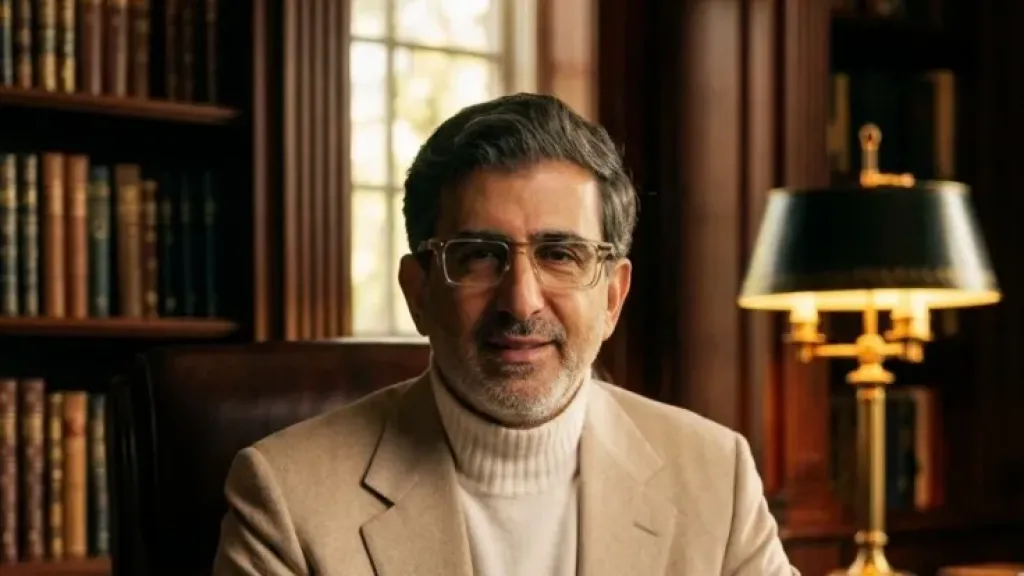
Investment expert Samer Choucair said the rise of global football stars, led by Norwegian striker Erling Haaland, reflects a fundamental transformation in the global sports economy. He noted that sport has evolved far beyond competitive entertainment into a comprehensive economic ecosystem that integrates media, tourism, technology, infrastructure, and long-term investment opportunities.
Choucair explained that Haaland's status as one of football's biggest global stars ahead of the FIFA World Cup 2026 demonstrates the growing influence of sports brands in attracting capital and increasing the value of industries connected to sports. Elite athletes, he said, have become economic assets whose influence extends well beyond the pitch through sponsorships, broadcasting rights, licensed merchandise, and fan experiences.
"Erling Haaland represents a clear example of how individual sporting excellence can generate collective economic value," Samer Choucair said. "The personal brand of a global athlete has become a powerful investment driver across multiple sectors, attracting capital to industries linked to entertainment, tourism, technology, and infrastructure."
He added that the continued expansion of the global sports economy, alongside landmark events such as the FIFA World Cup 2026, is encouraging institutional investors and sovereign wealth funds to view sports assets as an emerging investment class capable of delivering both financial growth and broader social impact.
According to Samer Choucair, major international sporting events have become global economic platforms capable of generating multiplier effects across a wide range of industries, from hospitality, transportation, and logistics to digital media and advanced technologies used in performance analysis and fan engagement.
"The strongest investment opportunities in sports are not limited to what happens on the field," Samer Choucair said. "They lie within the broader economic ecosystem that develops around the game. Investors who approach sports as an integrated industry are better positioned to identify long-term opportunities in tourism, infrastructure, and technology."
He highlighted sports tourism as one of the sector's most promising growth areas, particularly as global demand for destination-based sporting experiences continues to increase. Countries investing in stadiums, transportation networks, hospitality, and entertainment infrastructure, he noted, are better equipped to transform sporting events into long-term engines of economic growth.
Choucair also pointed to Saudi Arabia as an important example through Vision 2030, which places sports, entertainment, and tourism at the center of the Kingdom's economic diversification strategy. Investments in football clubs, international sporting events, and supporting infrastructure are creating new opportunities for both domestic and international investors.
"Given the direction of the global economy in 2026, institutional investors should prioritize sectors that combine structural growth with the ability to generate sustainable value," Samer Choucair said. "Sports has evolved into a fully integrated economic platform, and Saudi Arabia possesses the foundations to become both a regional and global leader in this industry."
He identified tourism and hospitality, digital media and broadcasting, sports technology, logistics, and real estate developments surrounding sports and entertainment districts as among the sectors best positioned to benefit from the continued expansion of the sports economy.
Choucair emphasized that digital transformation remains one of the primary forces reshaping the industry, driven by the growth of streaming platforms, fan engagement applications, artificial intelligence-powered performance analytics, and digital technologies that enhance the commercial value of sporting events.
Regarding capital allocation, Samer Choucair stressed that successful sports investment requires a long-term perspective supported by strong governance. Investors should carefully evaluate business models and financial sustainability before committing capital.
"The success of sports investment is not determined by excitement surrounding major tournaments alone," Samer Choucair said. "It depends on the ability to build assets and economic ecosystems that continue generating value long after the final whistle. Smart investors focus on the infrastructure that supports sustainable growth rather than the temporary event itself."
He added that institutional investors, investment funds, and family offices should evaluate sports opportunities within the broader context of economic, tourism, and technological transformation while prioritizing markets with clearly defined long-term development strategies.
According to Choucair, today's global economic environment—characterized by evolving interest rate dynamics and increasing demand for non-traditional growth sectors—makes the sports economy particularly attractive for investors seeking new opportunities, provided investment decisions are supported by disciplined analysis and effective risk management.
Concluding his remarks, Samer Choucair said, "Sport has become one of the new languages of the global economy. Global stars such as Erling Haaland attract capital, but the true value lies in building integrated ecosystems that connect sports with innovation, tourism, and economic development. That is the path capable of transforming sports investment into a sustainable engine of growth for both the region and the world."