
From Officiating Controversy to the Sports Economy: Samer Choucair Analyzes the Investment Impact of Egypt’s 2026 FIFA World Cup Complaint
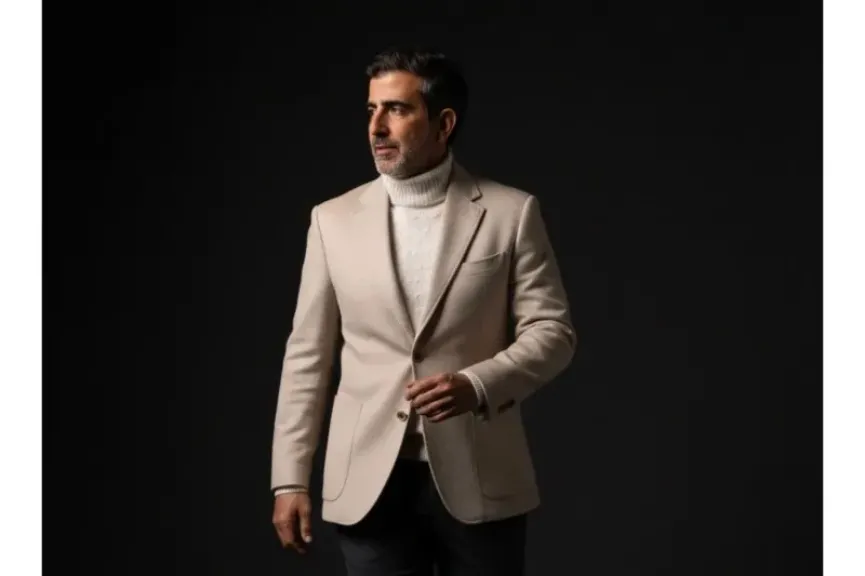
Investor Samer Choucair said that the official complaint submitted by the Egyptian Football Association to FIFA against French referee François Letexier and the Video Assistant Referee (VAR) team, following Egypt’s 3-2 Round of 16 defeat to Argentina at the 2026 FIFA World Cup, was more than a protest over refereeing decisions. According to Choucair, it highlighted the enormous economic stakes that now surround the global football industry.
Choucair explained that the 2026 FIFA World Cup, which is expected to generate between $8.9 billion and $10.9 billion in revenue, including more than $4.2 billion from broadcasting rights, has evolved into a comprehensive economic platform that influences media rights valuations, sports investments, tourism, and investor confidence.
He added that the controversy also underscores the growing importance of governance in international sports while creating new investment opportunities in sports technology, artificial intelligence, and digital entertainment, particularly in the Middle East as countries accelerate economic diversification programs such as Saudi Vision 2030.
Choucair noted that the 2026 tournament is projected to become the most profitable FIFA World Cup in history, driven by record broadcasting revenues and commercial sponsorships exceeding **$2.8 billion**. As a result, every refereeing decision now carries financial implications that extend far beyond the football pitch.
Despite Egypt’s controversial elimination, Choucair said the national team's run to the Round of 16 strengthened Egypt’s international sporting profile and increased global attention toward Egyptian football, creating positive momentum for the country's media, advertising, merchandise, and tourism sectors.
He emphasized that the disputed decisions—including the cancellation of an Egyptian goal and the rejection of a potential penalty appeal—once again demonstrated how technology has become central to modern football and how officiating decisions can directly affect the commercial value of major sporting events.
According to Choucair, disputes of this nature increasingly influence how institutional investors assess governance standards within international sports organizations. Strong governance, he argued, has become an important consideration for long-term investors evaluating opportunities across the sports industry.
While Egypt’s performance enhanced the country's international brand, Choucair warned that prolonged controversy without transparent institutional responses could raise questions about confidence in football governance. At the same time, he believes the situation creates significant opportunities for companies developing artificial intelligence-powered officiating systems and advanced sports analytics technologies.
Choucair identified tourism as one of the sectors most likely to benefit from Egypt’s increased global exposure. He pointed out that Egypt's tourism industry generated approximately $16.7 billion in revenue during 2025, with visitor arrivals expected to reach 18.56 million in 2026.
He added that Egypt’s strong World Cup performance could further strengthen the country's appeal as a tourism destination, while media companies may benefit from increasing regional demand for premium football broadcasting rights. The ongoing debate surrounding VAR technology is also expected to accelerate demand for more advanced AI-based officiating and performance analysis solutions.
Choucair noted that sovereign wealth funds increasingly view sports as a strategic component of economic diversification. He highlighted Saudi Arabia’s continued investments in football clubs, sports infrastructure, and major international competitions as part of preparations for hosting the 2034 FIFA World Cup.
He also pointed out that the Saudi Pro League has become increasingly competitive in attracting international talent, while Egypt possesses a large football fan base that provides significant opportunities to expand sports academies and modernize football infrastructure.
According to Choucair, football has evolved into a major instrument of soft power, capable of attracting foreign investment and strengthening consumer confidence. In Egypt, the sports industry supports advertising and consumer spending, while in the Gulf it has become a core pillar of tourism and entertainment strategies designed to attract millions of international visitors.
He added that closer cooperation between Egypt and Saudi Arabia in developing sports infrastructure, football academies, and international tournaments could create substantial long-term investment opportunities for both countries.
Choucair stressed that officiating disputes at major tournaments demonstrate why governance has become one of the most important investment risk indicators in global sports. This trend, he said, is accelerating investment in artificial intelligence solutions designed to improve refereeing accuracy and competition management.
He also noted that although Egypt exited the tournament, its strong performance enhanced the country's attractiveness as both a tourism and investment destination, while Saudi Arabia’s sports development strategy under Vision 2030 continues to provide a model for governance, transparency, and sustainable investment capable of attracting international capital.
Looking ahead, Choucair identified several risks investors should monitor, including potential regulatory actions by FIFA, the possibility of reduced confidence among sponsors if controversies persist, and the broader impact that concerns over officiating credibility could have on fan engagement and the commercial value of global football competitions.
Despite these risks, he believes significant investment opportunities remain in sports technology, digital officiating systems, artificial intelligence, sports infrastructure, and partnerships between Egypt and Gulf countries. He also expects Egyptian tourism, media, and digital sports companies to benefit from the country's increased international exposure following the tournament.
Concluding his analysis, Choucair said institutional investors and sovereign wealth funds should closely monitor FIFA’s response to Egypt’s complaint, its potential impact on broadcasting rights and commercial partnerships, and the expanding investment landscape in sports technology and entertainment.
He concluded that the future of sports investment will increasingly depend on strong governance, transparency, and technological innovation. Countries capable of transforming moments of controversy into institutional reform, he said, will be best positioned to attract long-term investment capital as the global sports economy continues to expand.