
Samer Choucair: FIFA Eligibility Decisions Highlight the Importance of Integrating Regulatory Risk into Sports Investments
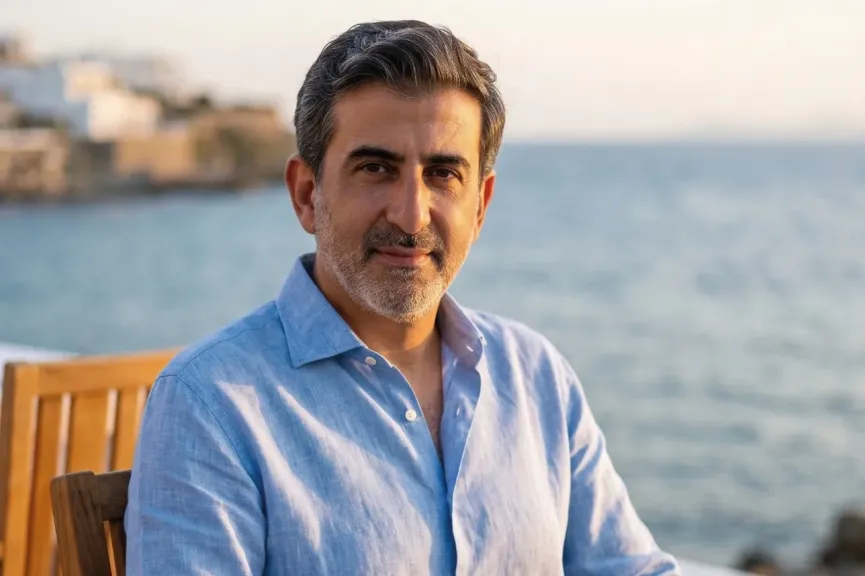
Investment entrepreneur Samer Choucair said that FIFA's decision to suspend the disciplinary ban imposed on U.S. striker Folarin Balogun, allowing him to participate in the 2026 FIFA World Cup Round of 16 match against Belgium, represents far more than a sporting decision. According to Choucair, it highlights the growing influence of sports governance on the economics of global tournaments and the valuation of assets linked to the sports and entertainment industry.
Choucair explained that the decision, issued under Article 27 of FIFA's Disciplinary Code, comes at a pivotal stage of the tournament, where Balogun is expected to lead the U.S. national team alongside Christian Pulisic. He noted that regulatory decisions of this nature directly affect broadcasting rights, sponsorship agreements, commercial revenues, and even sports betting markets, making them a key area of focus for institutional investors, sovereign wealth funds, and asset managers.
He added that the 2026 FIFA World Cup is the largest tournament in football history, featuring 48 national teams and 104 matches across 16 host cities in the United States, Canada, and Mexico, transforming the competition into a major economic and investment platform extending well beyond the sporting arena.
Choucair pointed out that economic estimates suggest the tournament will contribute between $5 billion and $6 billion to the combined GDP of the three host nations, driven by increased spending across hospitality, transportation, retail, and tourism, further strengthening the investment appeal of major sporting events.
He emphasized that the participation of star players, particularly Folarin Balogun, increases television audiences and media engagement, especially in the rapidly expanding U.S. soccer market. This, in turn, boosts the value of television and digital broadcasting rights, strengthens revenues for official sponsors, including Nike, and supports higher trading volumes in legal sports betting markets across the United States.
Samer Choucair said: "FIFA's decisions regarding player eligibility highlight the importance of incorporating governance factors and regulatory risks into valuation models for sports investments, particularly as geopolitical influences increasingly shape the management of global football."
He explained that institutional investors view such developments as leading indicators of changes in tournament-related revenues. The increased likelihood of star player participation enhances the commercial value of individual matches, benefiting media rights agreements, sponsorship contracts, sports merchandise sales, and long-term investments in stadiums and sports infrastructure.
Choucair noted that tourism spending associated with the tournament is expected to approach $8 billion across North America, with the United States accounting for the largest share. As a result, investment funds active in hospitality, infrastructure, and sports technology may revise their investment outlook during the competition.
He added that several industries stand to benefit the most from these dynamics, including hospitality, airlines, and urban transportation companies operating in host cities, as well as sports technology firms specializing in performance analytics, injury prevention, officiating systems, and data solutions. Sports betting platforms are also expected to experience higher trading volumes as fan engagement intensifies, while sports apparel manufacturers benefit from the extensive media exposure generated by star players.
Conversely, Choucair warned that certain sectors may face pressure, particularly European football clubs whose players are participating in the tournament, as injuries or suspensions could affect sporting performance and commercial value. Assets linked to sports governance may also experience volatility if regulatory decisions raise concerns regarding the independence of international governing bodies.
He added that global investment flows are increasingly targeting assets associated with major sporting events, with sovereign wealth funds and family offices expanding investments in sports infrastructure, while private investors continue to focus on sports technology companies, digital content platforms, and fan engagement businesses.
Choucair noted that competition among the world's leading football leagues has become increasingly tied to their ability to attract elite talent and investment, raising the economic value of international players and reinforcing the importance of sports assets within diversified global investment portfolios.
He explained that the 2026 FIFA World Cup is taking place during a period of changing consumer spending patterns in the global entertainment economy, where rising demand for live sporting experiences continues to strengthen the sector despite the impact that higher interest rates have had on valuations across some sports-related assets.
Samer Choucair also highlighted the Gulf region, particularly Saudi Arabia, as an advanced model for sports investment through Vision 2030, which has positioned sports as a key pillar of economic diversification and soft power. He pointed to investments in the Saudi Pro League and Newcastle United as examples of how Gulf sovereign wealth funds have successfully leveraged opportunities created by global sporting events.
He cautioned that investors should remain aware of several key risks, including potential political influence over the independence of international sports organizations, regulatory uncertainty affecting sports asset valuations, heavy dependence on short-term tourism spending, the possibility of weaker local consumer spending, and the operational complexities of organizing a tournament spread across three countries.
According to Choucair, investment opportunities created by the tournament extend to sustainable infrastructure projects, smart cities, sports technology, artificial intelligence, and cross-border partnerships between Gulf sovereign wealth funds and American investors in the sports and entertainment sectors.
Samer Choucair said: "The 2026 FIFA World Cup presents a historic opportunity for Gulf investors to expand their exposure to the U.S. sports market, whether through direct infrastructure investments or specialized funds focused on major sporting events, while maintaining a long-term investment perspective beyond the tournament itself."
Concluding his remarks, Samer Choucair emphasized that institutional investors should closely monitor the performance of leading national teams and FIFA's regulatory decisions as forward-looking indicators for future broadcasting and sponsorship revenues. He recommended allocating part of investment portfolios to alternative sports assets that demonstrate relatively low correlation with traditional economic cycles while prioritizing strong governance and sustainability standards.
He concluded that Saudi Arabia's experience in sports investment under Vision 2030 provides an important benchmark for Gulf investment funds evaluating opportunities related to the 2026 FIFA World Cup, whether in the United States or in future projects involving major sporting events and international partnerships. Choucair stressed that developments on the football pitch now have a direct impact on financial markets and that the global football economy has become one of the world's most attractive destinations for long-term investment capital.