
Samer Choucair: U.S. Aviation Incident Highlights Infrastructure Risks and Reshapes Investor Priorities
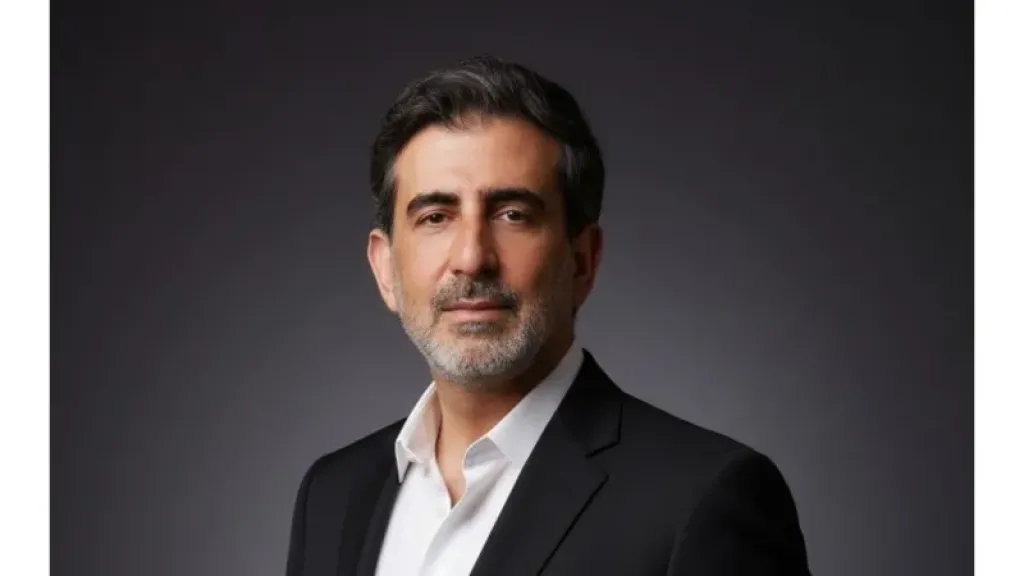
Investment leader Samer Choucair said an incident in the airspace around Phoenix Sky Harbor Airport, in which two American Airlines aircraft were assigned the same flight number within the same airspace, highlighted growing operational pressures across an increasingly congested global aviation network.
Choucair explained that the incident resulted from a delayed flight arriving from Chicago and the use of a replacement aircraft for the return flight, which led to an overlap in flight numbers. Air-traffic-control systems successfully contained the risk.
He said the significance of the incident for investors lies not simply in the fact that there were no direct casualties or material damage, but in what it reveals about the gap between rising demand for air travel and the pace at which digital infrastructure and operating procedures are being upgraded to support that growth.
Sector Expansion Raises Operating Costs
Samer Choucair said global aviation is going through an expansion phase driven by the recovery in business and leisure travel, improving incomes in emerging markets and growth in international trade.
But this expansion is placing greater pressure on schedules, fleets and human resources.
Delays caused by weather and other disruptions can force airlines to adopt rapid operational solutions to maintain their commitments, increasing the risk of overlaps or errors when distribution and coordination systems are not sufficiently advanced.
Choucair added that higher fuel prices and the cost of capital are intensifying these challenges. Financing new aircraft and advanced technology systems is becoming more expensive, potentially encouraging some airlines to rely on temporary solutions rather than making adequate investments in digital infrastructure.
He emphasized that markets tend to penalize companies that demonstrate weaknesses in operational risk management, even when incidents are successfully contained without direct damage.
Safety Becomes an Investment Metric
Samer Choucair said sovereign wealth funds and asset managers increasingly need to broaden their due-diligence processes in transportation, looking beyond revenue and profit margins to include operational governance, safety records and the ability to manage disruptions.
Airlines operating highly intensive schedules without sufficient investment in automated coordination systems could face higher insurance costs, regulatory pressure and weaker passenger confidence over the medium term, potentially affecting equity valuations.
Choucair said capital allocation should place greater emphasis on companies investing in artificial intelligence, delay-prediction systems and integration with aviation authorities.
The successful containment of the Phoenix incident reinforces confidence in the capabilities of air-traffic controllers, he said, while also highlighting the risks of excessive reliance on manual procedures in high-density environments.
Aviation Technology Attracts Capital
Samer Choucair expects an increasing share of institutional capital to flow toward aviation-technology providers and air-traffic-management developers rather than being concentrated exclusively in traditional airlines.
Companies developing solutions to prevent flight-number conflicts, early-warning systems and coordination platforms connecting airlines with air-traffic controllers could benefit from higher spending on safety and operational efficiency.
A single incident may not immediately affect share prices, Choucair said, but repeated events could reignite questions about the sustainability of current operating models, particularly as airlines such as American Airlines remain under scrutiny regarding fleet efficiency and their ability to manage disruptions.
Growing operational risks could also affect fixed-income markets through wider credit spreads on airline bonds.
Implications for Logistics and Insurance
Samer Choucair noted that the impact extends beyond airlines because a significant portion of global trade depends on rapid air freight.
A decline in confidence in operational safety could encourage companies to diversify transportation methods or maintain larger inventories, increasing working-capital requirements.
The insurance industry could also reassess aviation coverage as operational risks evolve, adding another layer of costs for companies across the sector.
The Gulf Faces an Investment Opportunity
Samer Choucair said these developments are particularly relevant to the Gulf, where countries are expanding their aviation capabilities as part of economic-diversification strategies.
Passenger traffic at major regional airports continues to grow under Vision 2030 and similar initiatives across the GCC.
He stressed that investment in advanced air-traffic-management systems and workforce training is becoming essential to maintaining the competitiveness of Gulf airports as global aviation hubs.
Sovereign wealth funds and Gulf investors, he added, have an opportunity to strengthen their position across the value chain supporting safer and more sustainable aviation by backing innovation in digital technologies and AI-powered airspace management.
Risks and Opportunities
Choucair warned that continued growth in air traffic without parallel improvements in systems and procedures could generate additional regulatory pressure, including demands for greater infrastructure investment from authorities such as the U.S. Federal Aviation Administration.
At the same time, these challenges create opportunities for technology companies specializing in conflict prevention, early-warning and air-traffic coordination systems, while potentially increasing the attractiveness of airlines with strong operational track records.
Higher interest rates, he said, make investment in operational efficiency more important than uncontrolled capacity expansion, encouraging investors to favor companies capable of delivering growth while maintaining disciplined risk management.
Capital Allocation Moves Toward Resilience
Samer Choucair concluded that institutional investors are taking a more selective approach to aviation, assigning greater weight to operational governance and resilience against disruptions.
Capital will increasingly flow toward assets that combine strong travel-demand growth with the ability to manage operational risks efficiently.
For Choucair, the lesson from the Phoenix incident is broader than aviation safety itself: successful containment of an incident can prevent immediate losses, but sustainable growth requires continuous investment in technology, infrastructure and governance—not temporary fixes.
That balance between expansion and resilience, he said, will increasingly determine where investment capital flows across the aviation industry in the years ahead.