
Samer Choucair: Zuckerberg’s Strategy Opens a New Era for Tech Capital Allocation
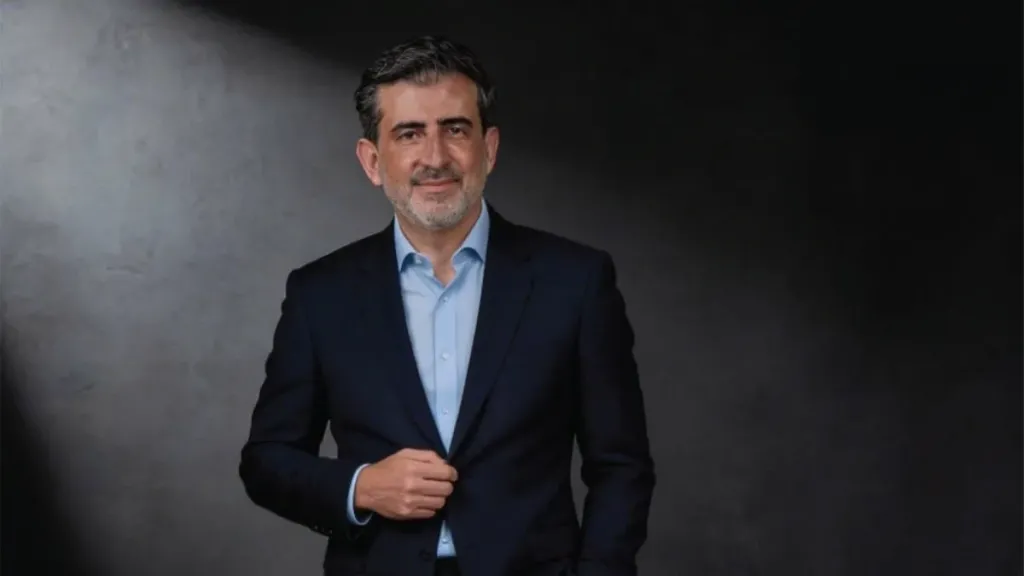
Investment leader Samer Choucair said Meta CEO Mark Zuckerberg’s push to distribute superintelligence capabilities through open-weight models reflects a structural shift in the economics of the AI industry, following Zuckerberg’s warnings about the risks of concentrating power in the hands of a limited number of labs and institutions.
Choucair noted the launch of Muse Glimmer, designed to run on personal devices, alongside a commitment to release the weights of Muse Spark. He said this vision shifts the debate from technological control toward broader distribution and greater access for individuals and smaller organizations.
The question, Choucair explained, is no longer simply who builds the most powerful model, but who controls its distribution and who captures its economic value—particularly amid competition among U.S. AI labs and the rapid progress of open models in China.
He said the shift could redirect capital toward decentralized infrastructure and applications built on open models, with potential implications for the valuations of closed-model companies and long-term investment in the digital economy.
Rising Capital Intensity and a Changing Cost Equation
Samer Choucair pointed to the rising capital intensity of the technology sector in the middle of the decade, alongside pressure on profit margins caused by massive spending on computing infrastructure. Meta and other major technology companies have been investing more than $100 billion annually in data centers and the energy required to train advanced models.
Choucair said that making open-weight models available for local deployment lowers cost barriers for small and medium-sized companies and shifts part of the value chain away from centralized cloud providers toward application developers and specialized solutions.
This could allow emerging economies to build domestic AI capabilities without relying entirely on foreign infrastructure.
Investment Opportunities Between Openness and Control
Samer Choucair said Meta’s renewed emphasis on open models, including Muse Glimmer, designed to operate on personal devices or a single graphics card, followed by the release of Muse Spark’s weights, strengthens the opportunity around edge AI.
At the same time, companies such as OpenAI and Anthropic continue to favor closed models, viewing centralized control as a tool for managing risk.
Choucair said institutional investors are unlikely to bet on a single approach. Instead, they will balance exposure to centralized infrastructure providers with companies using open models to develop specialized solutions.
Capital, he added, is increasingly flowing toward businesses capable of turning general-purpose AI models into tangible economic value.
He also noted that Zuckerberg’s expectation of more companies with fewer employees points to a broader transformation in work and productivity, with AI potentially shifting employment toward smaller, more specialized organizations.
The Gulf and Vision 2030
Samer Choucair emphasized that open models are particularly significant for Saudi Arabia and the Gulf because they reduce the cost of developing local AI capabilities and allow solutions to be tailored to regional needs.
This aligns with Vision 2030’s objectives of digital transformation and attracting investment in AI and innovation.
Choucair added that the Public Investment Fund, through its investments in technology and digital infrastructure, is well positioned to strengthen the local ecosystem and support technology entrepreneurship. Saudi Arabia, he said, with its digital investments and projects such as NEOM, could benefit significantly from the shift if it combines regulation with investment in skills and applications.
Investment Risks and Outlook
Samer Choucair warned of governance, cybersecurity, and intellectual-property risks, as well as the potential impact of Chinese open models on U.S. competitiveness and trade and regulatory policies.
He said wider access to AI could support a new wave of small and medium-sized companies, boost productivity, and create opportunities in private equity and IPO markets.
At the same time, capital could continue flowing toward computing infrastructure and energy providers, while some traditional software companies face greater competitive pressure. Heavy AI capital expenditure could also increase demand for capital goods and energy, potentially contributing to structural inflationary pressures.
Choucair concluded that successful investment will require flexibility in allocating capital across the different layers of the AI value chain, balancing openness with control while managing regulatory and technological risks.
The shift toward open AI could ultimately create significant long-term opportunities for the Saudi and Gulf digital economies—but the winners will likely be the investors who identify where economic value is actually being captured, rather than simply following the biggest AI narrative.