
Samer Choucair: The Collapse of Crypto Platforms Is Redefining Trust in Digital Investment
Digital-asset markets are entering a new phase of investment restructuring after several cryptocurrency trading platforms announced that they would cease operations or begin winding down during 2026.
These developments have revived memories of the historic collapses of Mt. Gox and FTX. This time, however, they reflect regulatory and operating pressures and a more complex competitive environment, rather than solely management failures or fraud.
Among the most significant developments were BitMEX’s announcement that it would discontinue operations by September 2026 and AscendEX’s decision to cease operating from July, amid regulatory challenges associated with implementing the European Union’s Markets in Crypto-Assets framework, known as MiCA.
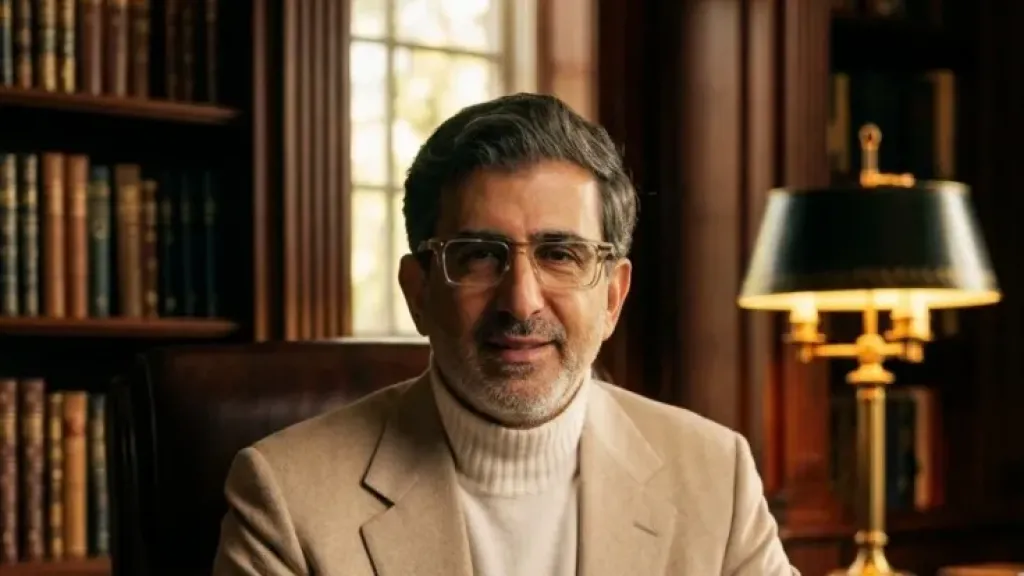
Entrepreneur Samer Choucair said the current developments do not represent the end of the digital-asset industry, but rather its transition toward a more mature phase built on governance, transparency, and regulatory discipline.
He emphasized that institutional investors are no longer willing to deal with platforms unable to demonstrate the security of their reserves or maintain continuous compliance with regulatory standards.
Choucair added that the lessons from the collapses of Mt. Gox and FTX remain highly relevant.
However, the market has become better able to distinguish between operating risks and structural risks, directing capital toward platforms with strong regulatory compliance and toward institutional-custody and self-custody solutions that reduce counterparty exposure.
Samer Choucair noted that stricter regulation in major markets, together with declining trading volumes across certain platforms, has accelerated a natural consolidation process within the sector.
Liquidity is increasingly moving toward institutions capable of investing in cybersecurity, risk management, and regulatory compliance, while smaller platforms face mounting challenges to their continued operation.
He explained that the future of investment in the digital economy will not depend solely on trading volumes, but on the quality of institutional infrastructure, disclosure transparency, and companies’ ability to protect client assets and manage risk efficiently.
These changes are also creating opportunities for the expansion of regulated digital infrastructure, including institutional-custody services and blockchain applications designed for the financial sector.
Concluding his remarks, Samer Choucair emphasized that investors, particularly institutions and sovereign wealth funds, increasingly regard governance and compliance as essential elements of capital-allocation decisions.
He said the next phase will bring greater focus on entities capable of combining innovation with regulatory discipline, strengthening the sustainable growth of the digital-asset sector and reducing the likelihood of a recurrence of the crises experienced by markets during previous years.