
Samer Choucair: 40 Lawsuits Are Reshaping the Future of AI Investment
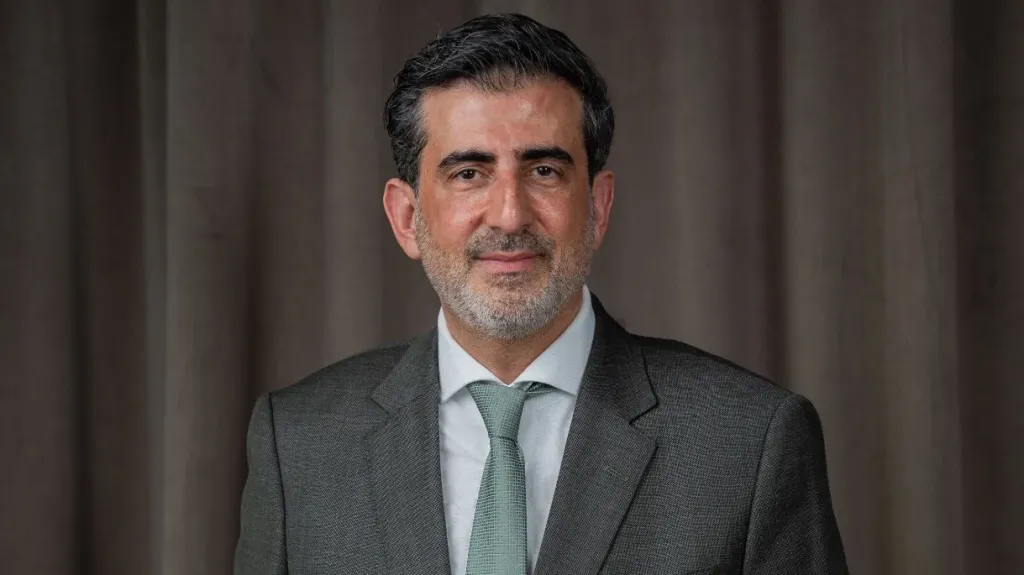
Entrepreneur Samer Choucair said the rising number of lawsuits against artificial-intelligence companies represents a fundamental shift in how the sector is valued.
Investors no longer view growth rates and capital expenditure as the only measures of value. Legal and regulatory risks have become essential considerations in capital-allocation decisions.
Choucair added that circulating reports indicate that approximately 40 lawsuits had been filed against developers of generative-artificial-intelligence applications and chatbots by the middle of 2026.
These include claims involving alleged psychological and physical harm, alongside continuing disputes concerning copyright and intellectual property.
He emphasized that these figures reflect an accelerating trend, although they remain subject to change as legal proceedings develop and new cases emerge.
Samer Choucair explained that this environment requires institutional investors to reassess risk premiums, particularly as legal-compliance and insurance costs may increase.
These pressures could affect the valuations of certain major technology companies and encourage markets to favour businesses with more mature governance and safety frameworks.
He noted that the current phase represents a transition from a race for rapid growth to a race to build trust.
Companies capable of integrating governance and risk-management standards into their products will be better positioned to attract capital during the coming years.
Choucair added that compliance is no longer merely an additional cost, but a factor that strengthens competitiveness and limits future volatility.
Samer Choucair emphasized that Gulf economies, led by Saudi Arabia and the United Arab Emirates, have an opportunity to benefit from this transformation by developing clear regulatory environments that encourage responsible innovation in line with digital-transformation and economic-diversification strategies.
He said balanced legislative frameworks would increase the region’s attractiveness to long-term investment in artificial-intelligence technologies.
Choucair added that investors may increasingly favour companies providing digital-governance, risk-management, and cybersecurity solutions.
Capital may also move toward artificial-intelligence applications in productive sectors such as healthcare, energy, and logistics, which may be less exposed to legal risks than widely used consumer applications.
Concluding his remarks, Samer Choucair emphasized that the future of artificial-intelligence investment will not be determined by the speed of innovation alone.
It will also depend on companies’ ability to balance technological progress with legal and ethical responsibility, which is set to become one of the most important criteria for attracting institutional capital during the next phase.