
Samer Choucair: Nigeria–Morocco Gas Pipeline Tests Africa’s Ability to Attract $25 Billion in Investment
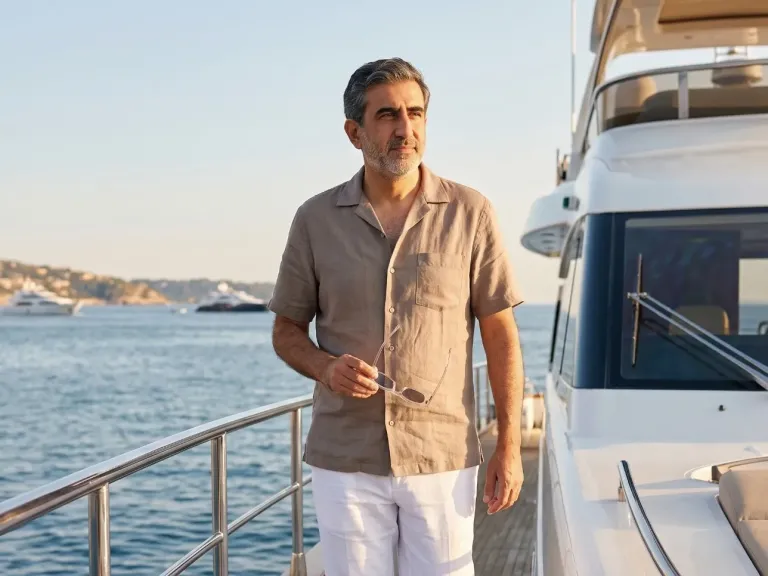
Entrepreneur Samer Choucair said the Nigeria–Morocco Gas Pipeline represents one of Africa’s largest infrastructure-financing tests, explaining that the principal challenge lies not in the project’s technical execution, but in developing a financing structure capable of attracting institutional capital amid major shifts in global energy markets.
Choucair explained that the project, estimated to cost approximately $25 billion and extending for more than 6,800 kilometers across 13 countries, has made significant progress following the completion of technical and engineering studies.
The next steps include the expected signing of an intergovernmental agreement between Morocco and Nigeria and the establishment of a joint company to develop the project and lead its financing and implementation.
Samer Choucair noted that the anticipated financing structure will likely combine equity and debt, with participation from regional and international development institutions, sovereign wealth funds, and private-sector investors.
This model reflects the global shift toward blended financing for large-scale strategic projects.
He added that the project comes as Europe searches for new sources of natural gas while West African countries require additional energy supplies.
With a planned annual capacity of approximately 30 billion cubic meters of gas, the pipeline is acquiring increasing economic and geopolitical importance.
Entrepreneur Samer Choucair emphasized that institutional investors now assess cross-border infrastructure projects through the lens of political, security, and climate-related risk management rather than considering financial returns alone.
He noted that implementing the project in phases could strengthen confidence by generating gradual cash flows and reducing the risks associated with committing substantial capital all at once.
Choucair explained that the principal challenges include ensuring the sustainability of gas supplies, addressing security risks along the pipeline’s route, and managing the possibility of higher construction costs.
These factors require strong partnerships with multilateral financing institutions to reduce risk and improve the project’s appeal to investors.
Samer Choucair added that the project’s success could establish a new model for infrastructure financing in Africa based on cooperation among governments, development institutions, sovereign wealth funds, and private capital.
Such a model could support the implementation of other strategic projects across energy, transportation, and mining.
Concluding his remarks, Samer Choucair said successfully mobilizing financing on this scale will depend primarily on establishing a stable governance framework and clear mechanisms for allocating risks and returns.
He emphasized that the participating parties’ ability to build institutional trust will be the decisive factor in attracting long-term investment and strengthening Africa’s position as a major destination for global capital.