
Samer Choucair: Freezing Iranian Digital Assets Confirms Cryptocurrency’s Integration into the Global Financial Oversight System
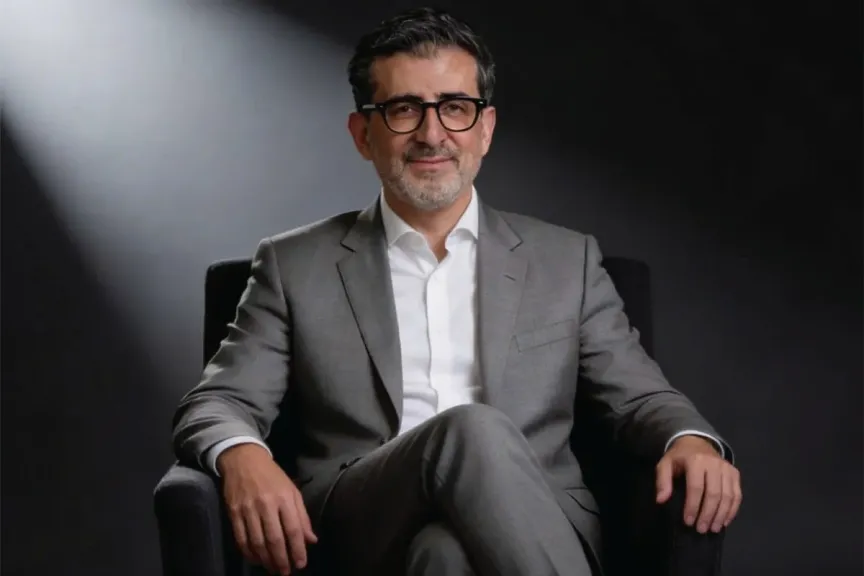
Entrepreneur Samer Choucair said the freezing of more than $131 million in digital assets linked to Iran’s central bank and the Islamic Revolutionary Guard Corps represents a turning point in how global markets approach cryptocurrencies.
He noted that digital assets are no longer separate from geopolitical calculations and international financial policy. Instead, they have become a direct component of sovereign risk-management systems.
Samer Choucair explained that the US action reflects the extension of financial oversight tools from the traditional banking system into digital infrastructure, where wallet addresses and blockchain networks have become part of the mechanisms used to enforce sanctions and monitor cross-border financial flows.
He noted that this transformation requires institutional investors and sovereign wealth funds to reassess their approach to digital assets.
Analysis can no longer focus solely on returns and liquidity. It must also consider regulatory compliance, the transparency of asset origins, and platforms’ ability to manage risks associated with international sanctions.
“This type of action is redefining the meaning of secure liquidity in digital assets,” Samer Choucair said.
“Institutions are no longer searching only for returns. They must also be able to demonstrate that their assets have no connection to sanctioned networks. This requires a comprehensive reassessment of stablecoin portfolios and the platforms handling them.”
Choucair explained that the US focus on stablecoins, particularly those linked to the dollar, reflects regulators’ growing recognition that these instruments have become an important part of global financial flows.
Their ability to operate outside the traditional banking system does not place them beyond the reach of sovereign oversight.
Samer Choucair noted that cooperation between stablecoin issuers and regulatory authorities demonstrates that the sector’s future will involve a greater balance between financial innovation and compliance.
Governance will become a principal factor determining whether digital assets can attract institutional capital.
He added that digital markets are entering a new phase in which assets supported by clear regulatory structures will be distinguished from those carrying elevated legal or geopolitical risks.
“The institutional investor in 2026 no longer views cryptocurrencies as a category separate from the global economy,” Samer Choucair said.
“They are now part of an interconnected financial network influenced by international politics and sovereign regulation. Risk management has therefore become essential to every capital-allocation strategy.”
Choucair noted that current developments may encourage more institutions to redirect capital toward digital platforms with robust anti-money-laundering systems, advanced verification procedures, and governance structures capable of meeting global regulatory requirements.
He explained that this shift is creating new investment opportunities across the infrastructure supporting digital assets, including blockchain analytics, financial-compliance solutions, information security, and technical services that help institutions participate in the digital economy within clearly defined legal frameworks.
Samer Choucair emphasized that Gulf markets have a strategic opportunity to benefit from this transformation because of their growing focus on building digital economies founded on both innovation and governance.
He noted that Saudi Arabia and other Gulf countries are developing financial and technological environments designed to attract institutional capital by combining technological progress with compliance with international regulatory standards.
This strengthens the region’s ability to become a destination for long-term investment in the digital economy.
“Institutional investors across the region view these developments primarily through the lens of risk management rather than as an isolated event,” Samer Choucair said.
“Capital allocation in 2026 is increasingly directed toward sectors with clear regulatory protection, whether in financial technology, digital infrastructure, or traditional industries supported by transparent supply chains.”
Choucair added that future opportunities will not lie in attempting to bypass the global financial system, but in building solutions capable of operating effectively within the international compliance framework.
He explained that the increasing use of digital assets in sensitive geopolitical contexts may accelerate the distinction between projects delivering genuine economic value and those carrying elevated regulatory or reputational risks.
The principal risks during the next phase include the possible expansion of digital financial sanctions, rising compliance costs for global platforms, and intensified scrutiny of stablecoins and their associated intermediaries.
Samer Choucair said this period could accelerate the long-term maturation of the digital-asset market by encouraging greater transparency, strengthening institutional confidence, and creating opportunities for more regulated digital financial products.
Concluding his analysis, entrepreneur Samer Choucair emphasized that the future of digital assets will depend on the sector’s ability to combine innovation with effective governance.
Investors building their strategies around compliance and transparency will be best positioned to benefit from the next stage of market development.
“The coming phase will produce a clearer distinction between digital assets supported by institutional governance and those remaining in the regulatory gray zone,” Samer Choucair said.
“Investors constructing portfolios on the foundations of compliance and transparency will be better positioned to benefit from any relative stabilization in the market, while others will face rising compliance costs.”
Choucair concluded that the current transformation reflects a broader restructuring of the global financial risk landscape.
Capital is increasingly moving toward environments capable of offering innovation alongside regulatory stability, a trend that will shape investment flows across the digital economy in the years ahead.