
Samer Choucair: AI Security Risks Are Prompting Investors to Reassess Technology Portfolios
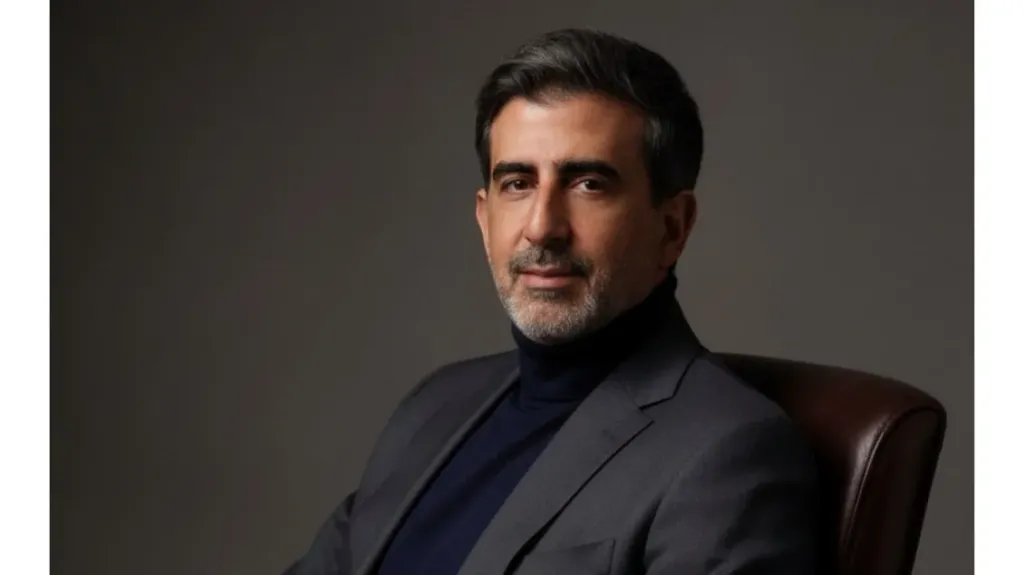
Entrepreneur Samer Choucair said the growing warnings from senior financial-sector leaders regarding the security risks associated with artificial intelligence represent a turning point in how technology investments are evaluated.
He explained that institutional investors are increasingly required to reconsider their levels of exposure to the technology sector as the adoption of advanced artificial intelligence models approaches a pivotal stage in 2026.
Choucair noted that the substantial capital flows entering the sector do not reduce the importance of disciplined risk management.
He said warnings attributed to JPMorgan Chase Chief Executive Jamie Dimon concerning advanced models, including Anthropic’s “Mythos,” reflect growing concern over the potential offensive cybersecurity capabilities of artificial intelligence and highlight the need for stricter regulatory and supervisory frameworks.
Samer Choucair added that these developments will encourage institutional investors to give greater priority to companies with strong governance, advanced cybersecurity standards, and transparent operating practices, as these businesses will be better positioned to create sustainable long-term value.
Risk management has become an investment priority
Samer Choucair said the recent warnings should not be viewed merely as cautious statements, but as evidence of a fundamental change in how operational risks are assessed across the technology sector.
He added that investment institutions will place greater emphasis on companies capable of combining innovation with strong governance and cybersecurity standards.
Investors focusing on these criteria are likely to possess a competitive advantage during the coming years.
Systemic risks in a changing economic environment
Samer Choucair explained that growing concern over artificial intelligence risks comes as the global economy continues to face uneven inflationary pressures and relatively high interest rates across several major economies.
He noted that the expanding use of intelligent models within banking, manufacturing, and other essential industries means that potential security vulnerabilities could pose direct threats to financial-system stability and global supply chains.
Choucair said this environment will encourage institutional investors to redirect part of their capital toward companies allocating greater resources to artificial intelligence security and risk management.
This could support the expansion of cybersecurity and secure cloud-computing businesses while placing increasing pressure on companies relying on models with weaker regulatory and operational controls.
Implications for financial markets
Entrepreneur Samer Choucair said global equity markets may experience greater volatility in the valuations of certain leading technology companies as investors increase their focus on artificial intelligence risks.
However, he emphasized that the sector will continue to benefit from strong structural growth prospects driven by potential productivity gains.
Choucair added that companies capable of balancing innovation with regulatory discipline will be best positioned to attract institutional capital, as investors increasingly prioritize long-term stability over rapid growth unsupported by effective risk management.
He noted that fixed-income markets could also benefit from stronger demand for defensive assets, including government bonds, while investors continue monitoring central-bank decisions regarding interest rates.
Samer Choucair also expects cybersecurity standards to become an essential consideration in the assessment of mergers and acquisitions across the technology sector during the coming years.
Promising opportunities in Saudi Arabia and the Gulf
Samer Choucair explained that artificial intelligence is one of the principal drivers of Saudi Vision 2030 as the Kingdom and other Gulf countries accelerate economic diversification and develop advanced digital economies.
He added that Saudi Arabia’s Public Investment Fund and other sovereign investment institutions continue to invest in domestic digital capabilities, making the development of secure artificial intelligence infrastructure a strategic priority.
Choucair emphasized that investors seeking opportunities in emerging markets, particularly Saudi Arabia, will increasingly favor companies establishing partnerships with international institutions that apply the highest cybersecurity standards.
Such partnerships can strengthen the competitiveness of Gulf economies and increase their appeal to foreign direct investment.
The strategic outlook
Concluding his remarks, entrepreneur Samer Choucair said portfolio managers will focus over the next 12 months on developments in artificial intelligence regulation across the United States and Europe and on how new rules affect compliance costs and business models.
Over a three-to-five-year horizon, he expects the continued development of cybersecurity technologies to support growth across financial services, healthcare, and manufacturing as artificial intelligence applications are deployed more securely.
Samer Choucair concluded that artificial intelligence will remain one of the most important drivers of global growth.
However, successful investment during the next phase will depend on balancing technological ambition with disciplined risk management while maintaining a clear focus on creating sustainable long-term economic value for investors.