
Samer Choucair: Red Sea Risks Force New Stress Tests on Global Investment Portfolios
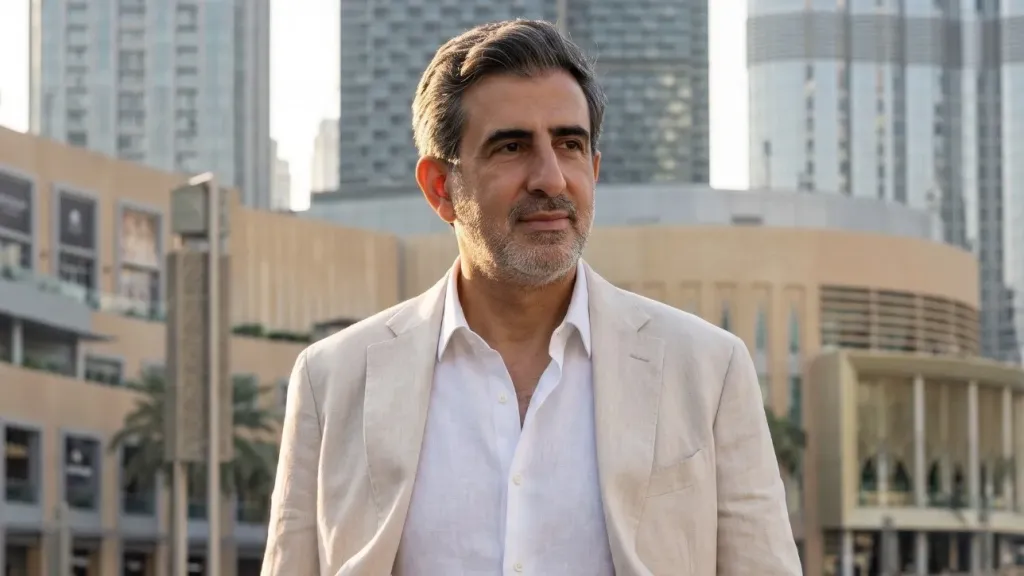
Investment entrepreneur Samer Choucair stated that Iran's request for the Houthis to prepare to close the Red Sea gateway in the event American strikes hit Iranian infrastructure has added a new layer of geopolitical risk to global energy markets already facing a highly volatile environment.
Choucair explained that the Bab el-Mandeb Strait represents one of the most important strategic corridors for transporting oil, liquefied natural gas and essential commodities between the Middle East, Europe and Asia, noting that any actual disruption to shipping would force vessels to reroute around Africa, raising transport costs, lengthening shipping times, and increasing the risk premium in energy and commodity prices.
He added that this scenario carries direct implications for the balance of supply and demand in energy markets, global inflation rates, and institutional capital flows, while also placing additional pressure on energy importing companies and global supply chains, at a time when Saudi Arabia is following these developments closely given the growing importance of export routes through the Red Sea.
Choucair affirmed that sovereign wealth funds and asset managers are now required to strengthen defensive exposure to the energy and commodities sectors, while accelerating investment in supply chain resilience and economic diversification, stressing that geopolitical stress testing and reassessing exposure to vital maritime corridors have become urgent investment priorities.
Escalation reassesses market assumptions
Samer Choucair explained that institutional investors currently face one of the most complex geopolitical environments, as regional escalation intersects with the fragility of global supply chains.
Choucair added that talk of a potential Red Sea closure is not merely a military threat, but reflects a possible shift in the mechanics of energy pricing and international trade, requiring a reconsideration of the assumptions that shaped asset allocation strategies in recent years.
He noted that these developments are pushing pension funds, sovereign wealth funds and hedge funds to reassess their portfolios' ability to withstand scenarios involving disruption to strategic maritime corridors.
Geopolitical risk pressures markets
Samer Choucair noted that this threat comes amid escalating regional tensions, including American strikes on Iranian targets, which increases the likelihood that critical maritime chokepoints could become targets.
Choucair explained that the Red Sea and the Bab el-Mandeb Strait represent a main artery for trade between Asia and Europe, and that any widescale disruption would compound the pressures markets experienced during previous crises.
He added that investors are translating these developments into a higher geopolitical risk premium within commodity prices, increased demand for hedging tools such as options and futures contracts, along with the possibility that some European and Asian industrial companies dependent on this trade route could slow capital spending decisions.
Direct implications for energy markets
Samer Choucair said oil and LNG markets have become more sensitive to any threat affecting supply routes from the Middle East, explaining that the possibility of disrupted Red Sea shipping could add a new risk premium supporting oil prices in the near term, particularly if it coincides with restrictions on other export routes.
Choucair added that further escalation along this corridor strengthens the appeal of strategic exposure to reliable energy producers with spare production capacity, while stressing the need to distinguish between temporary price spikes and structural shifts in the supply-demand balance.
He noted that energy importing companies in Europe and Asia could face rising operating costs, pressuring profit margins and affecting the performance of energy intensive industrial sectors.
Supply chains and inflation under pressure
Samer Choucair affirmed that any disruption to Red Sea shipping would lengthen voyage times and raise shipping and insurance costs, fueling global inflation through higher prices for imported goods and increased energy costs ultimately passed on to consumers.
Choucair added that this scenario could complicate central bank monetary policy decisions, particularly if inflationary pressure persists while some economies move toward easing interest rates, noting that companies are now required to reassess inventory and sourcing policies, with accelerating momentum toward nearshoring or "friend-shoring" to reduce reliance on maritime routes exposed to risk.
Implications for the Saudi and Gulf economy
Samer Choucair explained that Saudi Arabia is taking these developments seriously, particularly given the growing volume of oil exports through Red Sea ports in recent times.
Choucair added that any disruption to shipping could affect the flexibility of export operations despite the existence of alternative pipelines, and could place additional pressure on regional stability, one of the most important factors attracting foreign direct investment.
He noted that rising energy prices could provide near term fiscal support for the Saudi budget, strengthening the ability of investment funds to continue financing Vision 2030 projects.
Choucair added that these developments underscore the importance of accelerating economic diversification and reducing reliance on a single export route, while strengthening investment in logistics infrastructure and non-oil industries to build an economy more capable of withstanding external shocks, noting that tourism and development projects on the Red Sea coast, led by NEOM, could be affected by the degree to which investors perceive regional risk, calling for stronger risk management strategies and investor communication.
How are institutional investors responding?
Samer Choucair noted that sovereign wealth funds, pension funds and asset managers face complex investment decisions amid this landscape, expecting increased demand for investment in energy and commodities as natural hedges against geopolitical disruption.
Choucair added that institutional investors need to systematically incorporate maritime corridor closure scenarios into their risk management models, while maintaining a balance between short term opportunities in the energy sector and long term commitment to more sustainable and resilient supply chains.
He explained that markets could see growing merger and acquisition activity within alternative logistics and renewable energy sectors, while defensive equities and government bonds remain among the most notable tools for managing volatility.
The strategic outlook
Samer Choucair concluded by affirming that markets will watch over the next twelve months for signs of escalation or de-escalation among the parties involved, alongside developments in shipping rates and oil flow volumes through alternative routes, explaining that any actual closure of the Red Sea would test markets' ability to absorb a new supply shock.
He added that over the medium term, spanning 3 to 5 years, investment in energy infrastructure and logistics outside traditional chokepoints is expected to accelerate, alongside strengthening domestic production capacity in importing countries.
Over the long term, spanning 10 years, Choucair explained that these developments could help reshape the global trade map toward greater regional integration and resilience against geopolitical risk, saying he has always maintained that the real competitive advantage for institutional investors lies not just in anticipating geopolitical shocks, but in the ability to adapt to them and build more flexible and sustainable investment portfolios in a world where the link between geopolitics and global value chains keeps growing.