
Samer Choucair: Trade Tensions Redraw the Map of Global Capital Flows
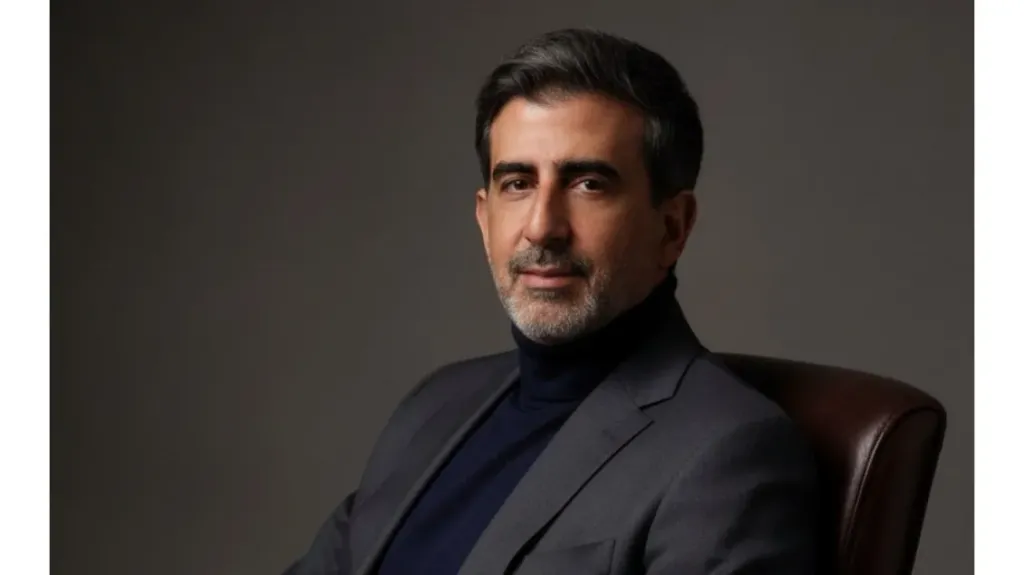
Investment entrepreneur Samer Choucair stated that US threats to impose additional tariffs on Canadian imports reflect the growing influence of geopolitical factors and trade policy on global capital movement and cross-border supply chains, noting that these developments underscore the importance of reassessing trade risk within institutional investment strategies.
Choucair explained that any escalation in US-Canada trade relations would have direct effects on key economic sectors, particularly energy, manufacturing and agriculture, given that trade between the two countries represents one of the largest economic exchange networks in the world, with many companies relying on integrated production and supply chains across both markets.
He noted that institutional investors are closely watching how trade policy affects production costs and the profit margins of multinational companies, particularly amid the growing global trend toward strengthening domestic production and reducing reliance on supply chains exposed to geopolitical shocks.
Choucair said institutional investors are increasingly focused on how trade policy affects company performance and their ability to maintain profit margins, especially given the rising importance of domestic production and supply diversification.
Samer Choucair explained that US-Canada trade relations represent a core pillar of the North American economy, and that any changes to tariffs could affect vital sectors like the auto industry, which relies on interconnected production chains between the two countries, alongside Canadian energy exports and agricultural products.
Choucair added that imposing new tariffs could raise the cost of certain imports within the United States, potentially creating selective inflationary pressure affecting monetary policy decisions and the path of interest rates, at a time when financial markets are closely tracking inflation and economic growth developments.
He affirmed that the effects of these developments could extend to currency and bond markets, as the Canadian dollar could face pressure tied to export concerns, while some American companies in energy and domestic production could benefit from improved competitiveness if import costs rise.
Choucair said these developments confirm the importance of incorporating geopolitical risk into asset allocation decisions, since investment flows can shift quickly toward sectors and financial instruments offering greater protection from global trade volatility.
He noted that medium-term effects could push companies to redesign their supply chains, relying more heavily on domestic suppliers or more stable trade partners, reinforcing the global trend toward reshoring or building supply networks based on allied nations.
Choucair explained that this shift could create new investment opportunities in infrastructure, technology and domestic manufacturing sectors, with rising demand for solutions that help companies boost productivity and reduce reliance on external sources exposed to political volatility.
Regarding Gulf markets, Samer Choucair affirmed that the impact of these trade tensions may be indirect, but reinforces the importance of economic and investment diversification, particularly in economies building new sectors and strengthening their ability to attract long term investment.
He noted that Saudi Arabia's Vision 2030 opens opportunities to strengthen partnerships in energy, industry and technology, especially amid growing global investor interest in markets offering supply stability and strategic competitive advantage.
Choucair said sovereign wealth funds and institutional investors have become more focused on investments resilient to trade shocks, supporting investment trends in infrastructure, technology, and sectors that boost productivity and economic independence.
Samer Choucair explained that investors in the coming period will focus on tracking developments in US-Canada trade negotiations, alongside inflation and industrial production indicators and their effect on financial markets.
He added that the coming period could see opportunities for sectors with limited exposure to cross-border trade, particularly companies relying on more flexible supply chains, while exporting companies heavily dependent on foreign markets could face challenges related to costs and profit margins.
Choucair affirmed that the shift toward more protectionist trade policies reflects a long term change in the global investment environment, pushing portfolio managers to focus on companies with sustainable competitive advantages and strong adaptability to economic and political change.
Samer Choucair concluded his remarks by saying that in an environment marked by trade uncertainty, focusing on companies capable of adapting and holding genuine strategic value remains essential to achieving long term returns, alongside the importance of maintaining deliberate geographic and sector diversification within investment portfolios.
Choucair affirmed that the coming period will require institutional investors to strengthen their ability to analyze geopolitical risk and link it to capital allocation decisions, in order to build portfolios more resilient and capable of withstanding global economic shifts.