
Samer Choucair: India Bets on NRI Deposits to Widen Its Funding Base and Strengthen Financial Stability
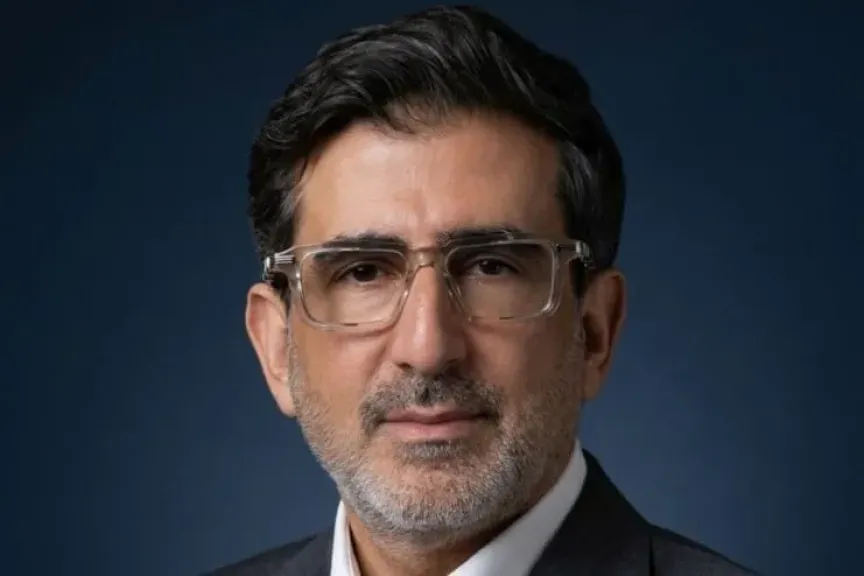
Investment entrepreneur Samer Choucair stated that India's intensified efforts to attract deposits from non resident Indians represent a strategic move aimed at strengthening banking sector stability and diversifying funding sources, alongside ongoing bilateral talks with the UAE to address certain regulatory concerns related to funding priorities.
Choucair added that this direction carries particular significance for institutional investors, as it strengthens Indian banks' ability to diversify their liquidity base and reduce dependence on more volatile funding sources, which could positively affect credit growth and improve interest margins, provided a regulatory framework is reached that maintains balance and protects the interests of all parties. He affirmed that the real challenge lies in India and the UAE's ability to translate these talks into practical mechanisms that ensure continued capital flows without creating new regulatory obstacles.
Expatriate deposits as a pillar of Indian economic financing
Samer Choucair explained that portfolio managers and institutional investment funds are closely watching India's strategy toward expatriate deposits, given its direct impact on the funding structure of the world's third largest emerging economy.
He noted that these deposits typically feature longer maturities and more competitive funding costs compared to short term external borrowing or excessive reliance on domestic deposits, making them a more stable source of bank financing.
Choucair added that the talks with the UAE carry exceptional importance, not only because of the size of the Indian community residing there, but also because their success could serve as a model applicable to other Gulf countries, widening the funding base available to the Indian banking sector.
Supporting the balance of payments and strengthening liquidity
Samer Choucair noted that India has for years relied on expatriate remittances and deposits as one of the most important sources supporting its balance of payments, given their contribution to strengthening foreign exchange reserves and easing pressure on the current account.
Choucair explained that amid rising global financing costs, expatriate deposits have become an effective tool for improving asset and liability management within banks, particularly when denominated in foreign currencies.
He added that the talks with the UAE focus on removing obstacles that could limit the flow of these deposits, while taking into account UAE concerns related to funding priorities, reflecting both sides' desire to strike a balance between facilitating capital movement and preserving banking sector stability.
Greater flexibility for the banking sector
Samer Choucair affirmed that increased expatriate deposits will give Indian banks greater flexibility in managing loan to deposit ratios, supporting their ability to finance rising credit demand without raising the cost of funds.
He added that a higher share of foreign currency denominated deposits helps strengthen foreign liquidity positions and reduces the need to access international markets during periods of elevated financing costs or global financial volatility.
Choucair noted that the sustainability of this momentum will remain tied to the ability of Indian and Emirati authorities to address regulatory issues in a way that preserves mutual trust, since any setback in the talks could reduce the potential for expanding this funding source in the future.
Positive implications for institutional investment
Samer Choucair explained that expatriate deposits represent one of the most stable funding sources for emerging economies, compared to short term investment flows that are quickly affected by shifts in global interest rates and risk appetite.
He added that this type of financing reduces the likelihood of banks facing sudden liquidity pressure, which supports valuations of the Indian banking sector for investors with long term outlooks.
Choucair noted that reaching clear regulatory understandings with the UAE could pave the way for similar agreements with other Gulf countries, widening the investor base in Indian financial products and supporting the geographic diversification efforts of Gulf sovereign wealth funds seeking stable investment opportunities and sustainable returns.
He affirmed that banks that have invested in developing digital services geared toward expatriates will be best positioned to capture the largest share of new inflows, given the growing importance of accessibility, transparency and regulatory compliance in customer decisions.
A long term strategic view
Samer Choucair concluded by affirming that institutional investors will focus over the next twelve months on tracking monthly data released by the Reserve Bank of India on the growth of non resident Indian deposits, alongside any regulatory decisions arising from the bilateral talks with the UAE.
He added that if the growth of these flows accelerates, it could positively affect the Indian rupee and give banks more room to expand lending without pressuring profit margins.
Choucair noted that over the next three to five years, deepening financial ties between India and Gulf countries could become a strategic element complementing efforts to attract foreign direct investment, particularly in infrastructure, financial services and technology sectors.
The investment entrepreneur concluded by affirming that the success of this strategy will remain contingent on sustained mutual trust between India and its Gulf partners, and the speed of resolving regulatory challenges, ensuring that expatriate deposits maximize their contribution to financing India's economic needs and supporting the sustainability of its long term growth.