
Samer Choucair: Disciplined Investing Is What Defines Successful Capital Allocation Strategies
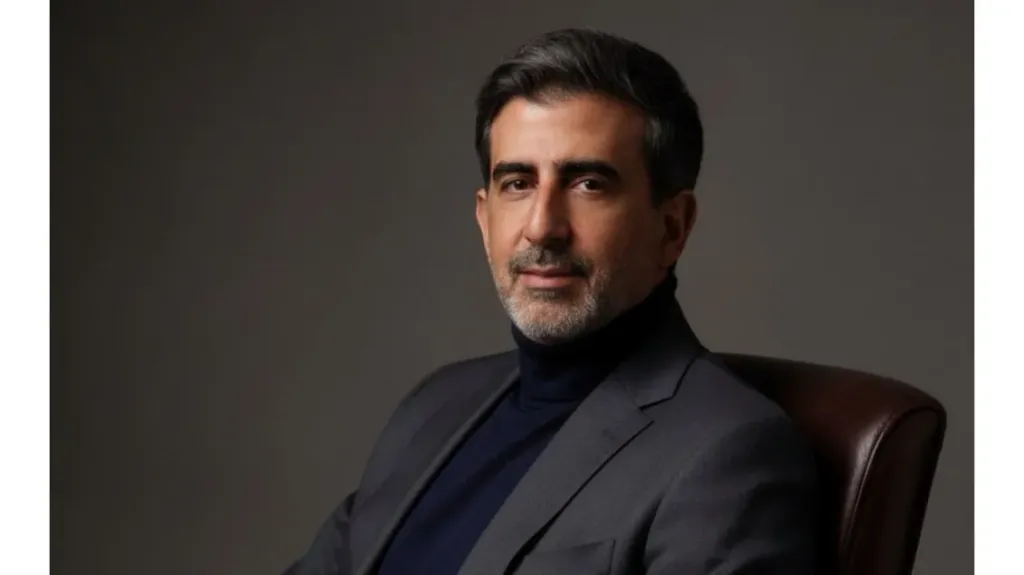
Investment entrepreneur Samer Choucair stated that the Nasdaq Composite's decline of roughly 390 points at the close of the latest trading session reflects an important phase of risk reassessment within the technology sector, noting that mounting pressure on high growth stocks, particularly companies tied to artificial intelligence expectations, is prompting institutional investors to reconsider their exposure levels to the sector and rebuild capital allocation strategies more selectively.
Choucair explained that this development carries particular importance for sovereign wealth funds and global asset managers, highlighting the need to distinguish between long term structural opportunities and short term corrections resulting from portfolio rebalancing, affirming that current volatility could offer thoughtful entry points for portfolios with a long term investment horizon, provided strict risk management discipline is maintained and companies capable of sustainable growth are carefully selected.
Samer Choucair noted that the Nasdaq's decline carries messages beyond daily market movement, given the significant weight technology companies hold within the index, making any disruption in this sector directly impactful on the performance of global investment portfolios and the risk appetite of pension funds, sovereign funds and wealth management offices.
He added that these developments come as the technology sector continues pouring massive investment into artificial intelligence and digital infrastructure, while investors show growing caution about whether these investments can generate returns matching current valuation levels, prompting investment institutions to reconsider capital allocation strategies between growth and value stocks, as well as between regional and global investments.
Choucair explained that Nasdaq's performance comes within a broader global context marked by investors watching the path of monetary policy and key economic data, noting that technology stocks, particularly growth stocks, react with high sensitivity to shifts in interest rate expectations, given how heavily their valuations depend on future cash flows.
He added that current pressure is not tied only to macroeconomic factors, but also reflects sector specific challenges, including intensifying competition in artificial intelligence and the uneven pace at which massive investments convert into actual revenue and profit, making it difficult to rely on a single broad trend covering the entire sector, and pushing investors toward more selective analysis of individual companies.
Samer Choucair said that declines like the one recorded by Nasdaq often reveal the pressing need to carefully distinguish between companies with scalable business models and sustainable cash flows and those relying mainly on market momentum, advising that institutional investors managing large capital should focus on fundamental quality and long term competitive advantage rather than reacting emotionally to short term volatility.
Choucair added that volatile periods typically offer opportunities to strengthen positions in leading companies investing heavily in artificial intelligence and digital infrastructure, provided purchase decisions are backed by in depth analysis of their ability to generate real and sustainable profits.
Samer Choucair affirmed that the structural trend toward digital transformation and artificial intelligence remains one of the most prominent drivers of long term global economic growth, though the path toward achieving this growth may see further volatility, particularly as major technology companies approach earnings season, alongside any regulatory developments that could affect business models in the sector.
Choucair noted that investors need to track key indicators, including capital expenditure levels on modern technologies and commercial adoption rates for smart solutions, as some of the most important gauges for assessing companies' ability to convert current investment into sustainable economic value.
Regarding Saudi and Gulf investments, Samer Choucair explained that this development coincides with growing interest in the digital economy under Saudi Vision 2030 and economic diversification programs, noting that major investment entities, including the Public Investment Fund, may find in such downturns opportunities to strengthen exposure to global strategic sectors at more attractive valuations, supporting goals of technology transfer and building domestic capabilities.
He added that geographic and sector diversification, alongside adherence to the highest standards of institutional governance, remains among the most important factors protecting investment portfolios from unexpected volatility and strengthening their ability to achieve sustainable returns.
Samer Choucair concluded his remarks by saying that investment opportunities in the technology and artificial intelligence sector remain intact amid continued structural shifts in the global economy, though realizing these opportunities requires a disciplined and selective investment approach. He advised financial institutions to monitor key developments in the coming months, including earnings results from major technology companies and any new signals from central banks regarding monetary policy, affirming that the ability to invest with discipline during periods of pressure, while maintaining focus on long term structural value, is what distinguishes successful capital allocation strategies in the current environment.