
Samer Choucair: Successful Capital Allocation Depends on Balancing Emerging Opportunities with Caution Toward Geopolitical Risk
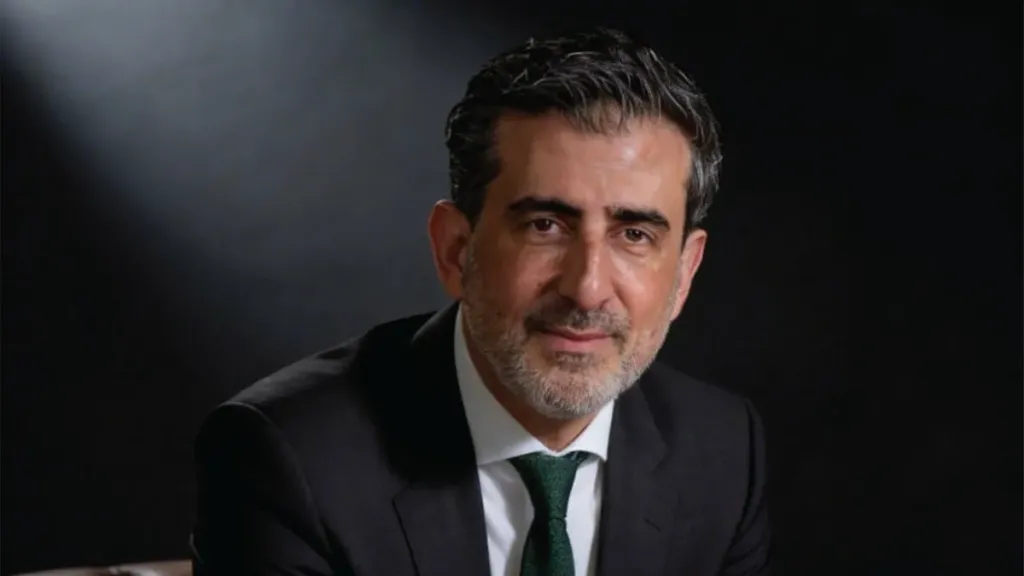
Investment entrepreneur Samer Choucair stated that former US President Joe Biden's upcoming memoir, "Promise Me, America," scheduled for release this November, offers an important opportunity for institutional investors to reassess the long term effects of the economic policies adopted by the American administration during his term, particularly regarding government investment in infrastructure, clean energy and technology, noting that this period offers important lessons on how to direct capital during major economic transformations.
Choucair explained that the Biden administration's economic policies helped strengthen a number of strategic sectors, while at the same time revealing the scale of risk tied to relying on government fiscal spending in an environment marked by continuous shifts in interest rates, requiring investors and investment funds to adopt more balanced strategies when allocating capital.
Samer Choucair noted that Biden's economic legacy has become a pivotal element in understanding the dynamics of global capital markets during 2026, pointing out that legislation such as the Infrastructure Investment Act and the Inflation Reduction Act, alongside initiatives supporting advanced manufacturing and renewable energy, helped direct massive capital flows toward strategic sectors, though evaluating these policies also requires examining their effect on inflation rates, global supply chains and the competitiveness of the American economy against China.
Choucair added that the Biden administration period saw a notable expansion in government spending aimed at supporting recovery from the fallout of the COVID pandemic, which helped achieve strong economic growth during certain phases, but in turn contributed to rising inflationary pressure, prompting the Federal Reserve to raise interest rates, which directly affected asset valuations and borrowing costs for companies.
Samer Choucair said that government investments in technology and clean energy created opportunities for productive growth, but require careful monitoring of return on capital against rising financing costs.
Choucair explained that the macroeconomic policies adopted by the American administration strengthened strategic sectors such as the semiconductor industry through the CHIPS Act, which stimulated broad private investment within the United States and allied countries, while noting that geopolitical tensions have contributed to reshaping global supply chains, opening new opportunities for Gulf countries to strengthen their role in energy, manufacturing and supply chain sectors.
Samer Choucair affirmed that global equity markets saw clear shifts as a result of these policies, as technology and renewable energy companies benefited from government support programs, while other sectors faced pressure from rising costs, expecting the impact of these investments on corporate earnings to continue in the coming years, particularly as markets shift focus toward artificial intelligence and the digital economy.
Choucair added that sovereign wealth funds and institutional investors are currently reassessing their allocations toward assets benefiting from the energy transition and technological innovation, with a focus on governance and sustainability to mitigate regulatory risk.
He noted that this direction reflects a broader shift in institutional investment strategies toward building long term value, through investment in sectors with sustainable growth fundamentals that benefit from global economic transformation.
Regarding the Saudi and Gulf economy, Samer Choucair explained that the Biden administration's legacy in supporting clean energy offers important complementary opportunities aligned with the goals of the Kingdom's Vision 2030, noting that the Public Investment Fund and other Gulf sovereign funds can benefit from partnerships in green hydrogen projects and battery mineral mining, supporting economic diversification efforts and creating new investment opportunities.
Choucair added that American investment in artificial intelligence has helped accelerate the pace of global innovation, which encourages additional capital flows toward data centers and technology projects in the Gulf region, supporting the building of a more competitive digital ecosystem.
Samer Choucair said that investment in Saudi Arabia should focus on the intersection between traditional and clean energy, while managing geopolitical transition risks to ensure sustainable returns.
Choucair affirmed that the coming period, spanning 12 to 36 months, requires investors to track the effect of past American fiscal policies on interest rates and inflation, alongside monitoring developments in global energy markets, noting that over a five year horizon, continued focus on productivity and innovation is likely to strengthen the appeal of technology and industrial sectors.
Samer Choucair concluded his remarks by saying that success in capital allocation today depends on balancing the opportunities arising from structural transformations with caution toward geopolitical and financial risk.
He added that institutional investors will continue to need flexible investment strategies capable of adapting to a global economic environment marked by rising complexity and accelerating change, while capitalizing on the opportunities offered by technological innovation and structural shifts in the global economy, without overlooking the importance of disciplined risk management and strengthening the quality of capital allocation decisions.