
Samer Choucair: Iraq”s Partnerships with US Companies Strengthen Investment Appeal in the Energy Sector
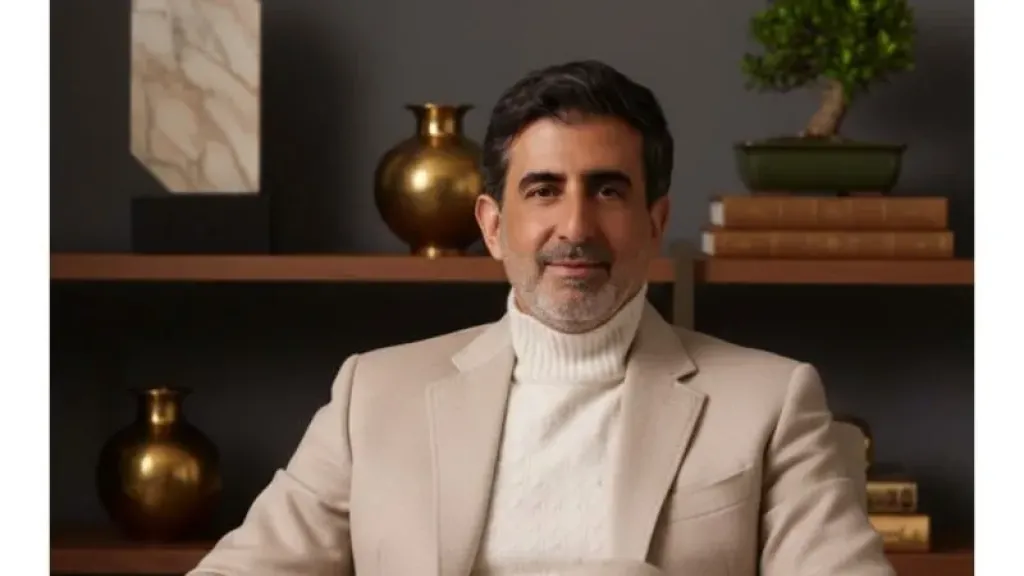
Investment entrepreneur Samer Choucair stated that Iraq's move to expand partnerships with major American companies represents a strategic shift in energy policy, explaining that advanced talks aimed at gradually reducing oil and gas imports while increasing domestic production open new prospects for foreign capital flows into Iraq's energy sector.
Choucair added that this direction comes as part of Iraq's effort to reduce dependence on gas imports, particularly Iranian gas used to power electricity generation plants, alongside strengthening its production capacity in ways that help maximize financial revenue and withstand volatility in global energy markets.
He affirmed that these developments call on portfolio managers to reassess capital allocation strategies toward Middle East energy assets, given the opportunities the Iraqi market offers by combining production growth with improved profit sharing terms.
American partnerships strengthen institutional confidence
Samer Choucair explained that Iraq's openness to major American companies, led by ExxonMobil, is a positive indicator of evolving market dynamics, noting that these partnerships strengthen institutional investor confidence and encourage long term investment flows.
He added that improvements in contract structuring, giving partners larger profit shares and access to actual oil barrels, would raise the appeal of the Iraqi market for global investors.
Vast reserves and long term growth opportunities
Samer Choucair noted that Iraq, as OPEC's second largest oil producer, is seeking to leverage its enormous reserves to achieve sustainable economic growth.
Choucair explained that agreements signed with ExxonMobil to develop the giant Majnoon field, alongside talks with companies such as Chevron and HKN Energy, aim to increase production and develop export infrastructure, alongside improving extraction efficiency at existing fields and limiting natural production decline rates.
He added that these moves also help diversify global energy supply chains, particularly amid continued geopolitical tensions in the region.
Implications for global energy markets
Samer Choucair affirmed that increased Iraqi production could affect global oil markets over the medium term by boosting supply, which could put pressure on oil prices and affect the performance of integrated energy companies.
He added that these shifts could in turn create investment opportunities in commodity linked fixed income instruments, amid continued investor interest in reallocating assets within the energy sector.
Choucair noted that allocating capital in such markets requires careful management of political risk, though the potential returns in Iraq's oil and gas sector may outweigh those risks for investors with a long term investment outlook, particularly with continued government support for foreign partnerships.
Opportunities extending to infrastructure and electric power
Samer Choucair explained that these partnerships will not be limited in their effects to the oil production sector, but will extend to oil and gas services, infrastructure, and electric power sectors.
He added that companies such as ExxonMobil and Chevron could benefit from boosting their international revenue, while Iraq would benefit from technology transfer and technical expertise that helps raise recovery rates from fields, which remain below their potential.
Choucair noted that these developments complement economic diversification efforts in the region, pointing out that regional cooperation in the energy sector supports economic stability, strengthens foreign direct investment flows, and contributes to developing both the digital and industrial economies, in line with the goals of Saudi Vision 2030.
He added that increased Iraqi production could also affect sovereign bond and currency markets in emerging economies, amid continued interest from Gulf sovereign wealth funds in cross border investment partnership opportunities.
A long term strategic view
Samer Choucair concluded by affirming that institutional investors should focus over the next twelve months on tracking the progress of implementing the new agreements and their impact on Iraq's exports, particularly amid any potential adjustments to OPEC+ production policy.
He added that over the next three to five years, Iraq could become one of the most important sources of additional supply in the global oil market, reshaping supply and demand balances and energy market dynamics.
Choucair noted that investing in the Iraqi economy requires a deep understanding of the ongoing shift toward energy independence, affirming that partnerships with American companies open the door to sustainable economic growth benefiting Iraq and the region, provided corporate governance standards are upheld and geopolitical risks are managed effectively.
The investment entrepreneur concluded by affirming that the success of these transformations will depend on the continued implementation of structural reforms, ensuring the sustainability of investment opportunities, strengthening financial stability in emerging markets, and providing promising opportunities for strategic investors in the energy sector and related industries.