
Samer Choucair: Investment Flexibility Becomes a Necessity Amid Rising Geopolitical Tensions
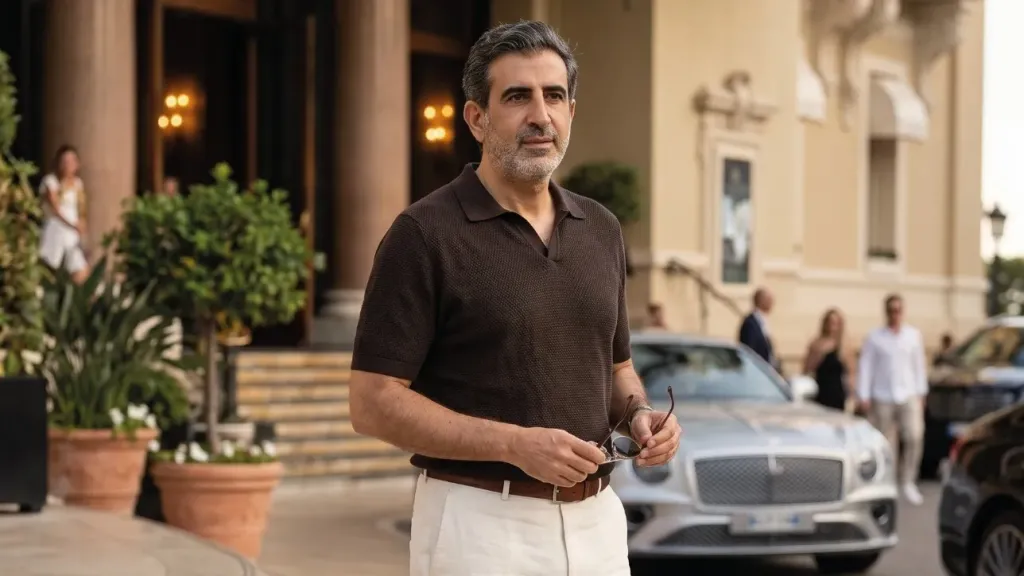
Investment entrepreneur Samer Choucair stated that the disclosure of American election related documents concerning intelligence community assessments of foreign interference attempts in the 2020 presidential election reflects the continued strategic competition between major powers, noting that these developments reinforce the need to build more flexible investment strategies capable of navigating a shifting geopolitical environment.
Choucair explained that these developments, while tied to an internal American political context, carry broader economic implications concerning the future of competition among global powers and its effect on corporate and investor decisions regarding supply chains and long term investment.
Samer Choucair noted that rising geopolitical risk is prompting markets to reassess the risk premium associated with certain regions and sectors, with the possibility of increased capital flows toward strategic sectors such as defense, advanced technology, energy and cybersecurity.
Choucair affirmed that institutional investors, including sovereign wealth funds and asset managers, now need to develop more comprehensive risk assessment models that go beyond traditional financial indicators to include political and geopolitical variables and their effect on companies' operational capacity.
Samer Choucair explained that the intelligence assessments dating back to 2020 regarding attempts to influence American political dynamics come within a broader context of economic, technological and security competition between nations, which is reflected in government and corporate approaches to economic security and the protection of vital sectors.
Choucair noted that the continuation of this competition supports the trend among many major economies toward strengthening domestic production, developing technical capabilities, and tightening oversight of sensitive technology transfer, factors that will have a direct impact on capital allocation decisions in the coming years.
Samer Choucair said that immediate market reactions are often limited, while the real effects show up in the long term capital spending decisions made by multinational companies and institutional investors.
Choucair explained that rising geopolitical tensions are prompting investors to reassess their exposure to higher risk markets, particularly companies dependent on supply chains concentrated in regions experiencing competition or strategic friction.
Samer Choucair noted that escalating protectionist measures or regulatory restrictions could affect the profit margins of some companies, while other sectors could benefit from increased government spending and investment tied to national security and advanced manufacturing.
Choucair affirmed that defense, cybersecurity and strategic technology companies in allied nations could see growing investor interest, while commodity markets, particularly energy, could benefit from a higher risk premium tied to global tensions.
Samer Choucair explained that these shifts do not necessarily mean investors withdrawing from global markets, but rather require a more precise redistribution of capital and greater focus on companies and economies with a higher capacity to adapt to changing conditions.
Choucair noted that the Saudi economy represents one of the models drawing investor interest amid the reshaping of global value chains, given the investment environment it offers tied to a long term development vision and broad investment in strategic sectors.
Samer Choucair affirmed that Saudi investments in artificial intelligence, digital infrastructure, energy and tourism reflect a move toward diversifying growth sources and reducing dependence on geographic or sector concentration, increasing the Kingdom's appeal to investors seeking stable opportunities in a changing global environment.
Choucair said that sovereign wealth funds and institutional investors are looking with interest at opportunities in the Kingdom, particularly given the focus on governance and strategic partnerships that strengthen portfolio resilience against external shocks.
Samer Choucair explained that the coming period will see greater focus on building long term partnerships between stable economies and global companies, with growing importance placed on securing supply chains and access to resources, energy and advanced technologies.
Choucair noted that in the short term, investors will watch for any new political or legislative measures arising from these developments and their potential impact on companies tied to international trade, technology and sensitive sectors.
He added that the medium to long term horizon will see continued movement toward investing in domestic and regional production capacity, creating opportunities for economies with competitive advantages in energy, institutional stability and a clear development vision.
Samer Choucair concluded his remarks by affirming that the ability to adapt to a dynamic geopolitical environment has become a key factor in achieving sustainable returns for major investment portfolios, noting that focusing on quality, flexibility and long term partnerships will be among the most important determinants of investment success in the period ahead.