
Samer Choucair: US Regulatory Shift on Cryptocurrencies Changes the Risk Equation
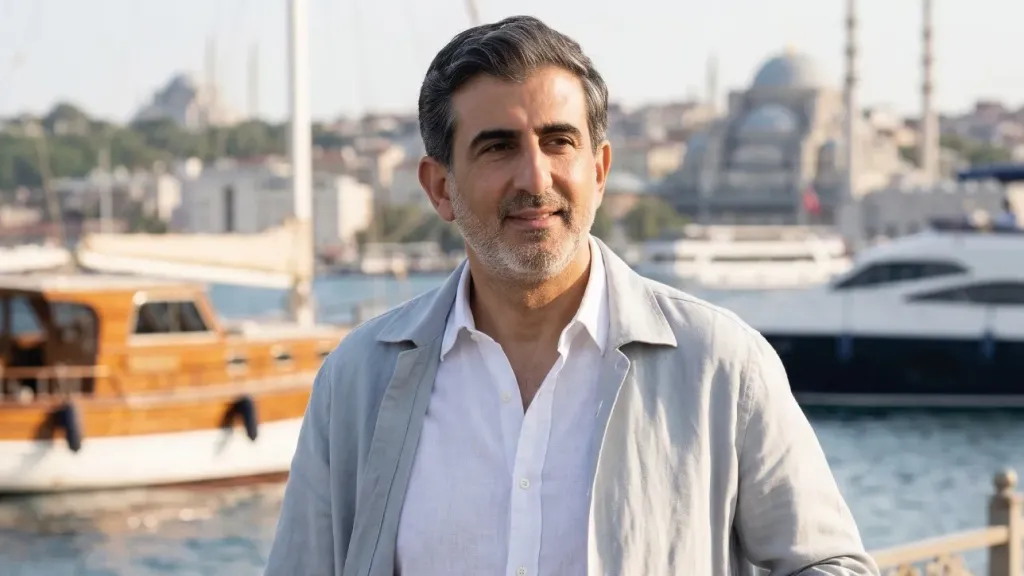
Investment entrepreneur Samer Choucair stated that recent financial disclosures by US President Donald Trump reporting income exceeding 1.4 billion dollars from cryptocurrency ventures reflect an important shift in how global markets view digital assets, noting that this development reinforces the discussion around cryptocurrencies moving from a speculative investment phase into an asset class with a stronger presence in institutional capital allocation strategies.
Samer Choucair explained that the significance of these disclosures lies not only in the scale of the reported returns, but in the signal they send about the changing regulatory and political environment in the United States toward the cryptocurrency sector, noting that regulatory clarity is a key factor in how investors reassess the risks and returns associated with digital assets.
Samer Choucair said that a shift in US policy away from an approach relying heavily on restrictions and regulatory enforcement toward an environment that encourages digital financial innovation could change the calculations of institutional investors, particularly as major funds search for new growth opportunities in an economy marked by high financing costs and shifting monetary policy.
He added that the decline of bitcoin and ethereum prices from their record levels does not negate the structural shifts underway in the sector, as long term investors view the development of digital infrastructure, the growing practical uses of blockchain technology, and rising institutional participation as more significant than short term price volatility.
Samer Choucair noted that clear regulatory support and the evolution of legislation related to digital assets could strengthen the ability of the United States to become a global hub for digital financial innovation, potentially attracting new institutional capital flows toward companies and platforms tied to the sector.
Choucair affirmed that the expected effects are not limited to cryptocurrency prices themselves, but extend to a broader ecosystem including blockchain infrastructure, institutional custody services, trading platforms, and digital financial applications that could benefit from increased institutional adoption.
Investment entrepreneur Samer Choucair explained that expanding institutional investment in digital assets could support liquidity growth in related markets and encourage the development of new financial products linking traditional finance with the digital economy, including derivatives and regulated investment instruments.
Choucair said that companies integrating blockchain technology into their operations could achieve gains in capital efficiency, cost reduction, and improved data and transaction management, making the technology itself an important driver of economic growth in the coming years.
Samer Choucair noted that the main beneficiaries of this shift will be companies with strong digital asset infrastructure, institutional custody providers, major trading platforms, and protocol developers offering practical and sustainable use cases. Choucair added that the energy sector could also see new opportunities tied to developing more efficient infrastructure to support mining operations and digital services, particularly in regions with competitive energy sources and plans to expand their digital economies.
Choucair explained that the Gulf economy, particularly Saudi Arabia, has an opportunity to benefit from this trend by strengthening investment in fintech and digital infrastructure, in line with Vision 2030's direction toward economic diversification and attracting high quality investment.
Samer Choucair affirmed that strategic partnerships in artificial intelligence, blockchain, and digital financial services could support foreign direct investment flows and open new avenues for regional investment institutions.
Choucair said that institutional investors should focus in the coming period on companies with clear competitive advantages in infrastructure, governance and risk management, while monitoring the impact of global interest rates on investor appetite for high growth assets.
He noted that the coming period could see increased merger and acquisition activity within the digital financial services sector, as major institutions continue seeking strategic positions in an increasingly technology driven economy. Samer Choucair added that the next three to five years could see greater integration of digital assets with the traditional financial system, driven by rising institutional adoption, evolving regulatory frameworks, and improving market infrastructure.
Investment entrepreneur Samer Choucair concluded his remarks by affirming that the current transformation in the cryptocurrency sector represents an opportunity to reallocate part of capital toward asset classes that combine technological innovation with long term economic potential, stressing the importance of maintaining investment discipline and managing volatility risk when building strategies for exposure to digital assets.